Newsletter
Join the Community
Subscribe to our newsletter for the latest news and updates

A Slack-based Sanity copilot for the eve agent framework that manages content, schemas, and releases with GROQ and drafts into Notion.
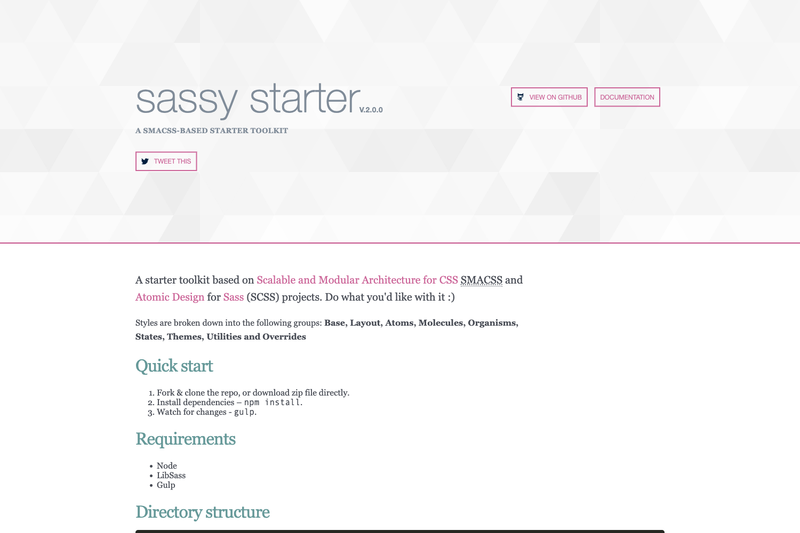
A starter toolkit based on SMACSS and Atomic Design for Sass (SCSS) projects with a Gulp build system.
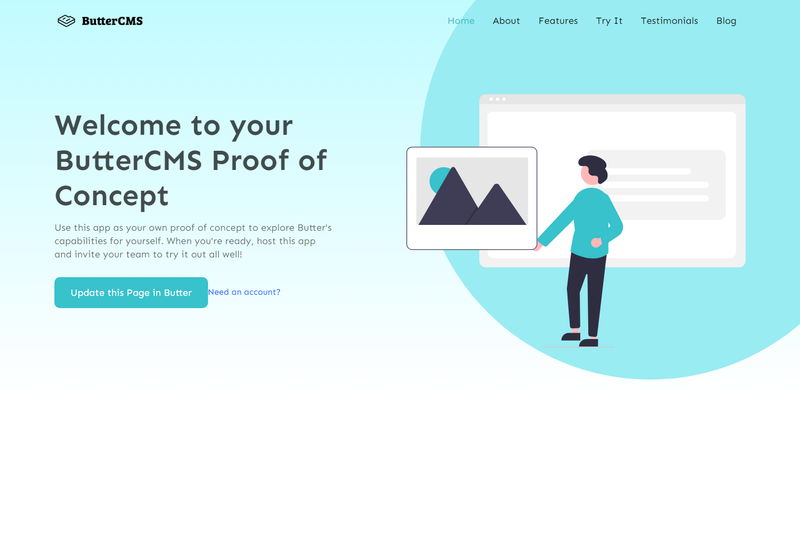
Next.js starter project fully integrated with ButterCMS sample content, blog, pages, and search.
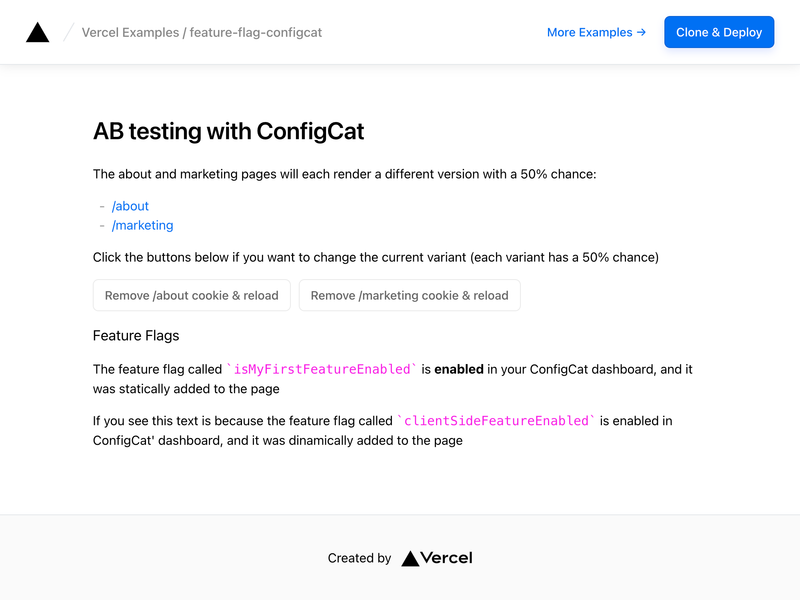
ConfigCat is a service for feature flag and configuration management. In this template you'll be able to use feature flags at the edge.

A Next.js example app demonstrating Arcjet security features like bot detection, rate limiting, email verification, and attack protection.
Discord bot template built with Next.js that runs 100% at the edge and deploys free to Vercel.
Sanity Copilot eve Template is an open-source boilerplate from Vercel Labs for building a Slack-based content-management agent on the eve framework, letting teams @mention a bot to query and edit Sanity content with GROQ, shape schemas, manage releases, and draft long-form pieces into Notion pages.
The Sanity Copilot eve Template is a deployment-ready agent template that runs on Vercel and lives in Slack: team members @mention it or DM it, and it performs Sanity CMS operations as the real user through user-scoped OAuth. It takes Slack messages as input and produces Slack thread replies, approval buttons for destructive actions, and Notion pages for long-form drafts. It is built on the eve agent framework in strict TypeScript (ESM) and is maintained by Vercel Labs.
eve deploy.The Sanity Copilot eve Template is aimed at Sanity content teams, Sanity developers, and AI agent builders who want to manage a CMS from Slack without leaving their chat workflow. Content editors can create and edit drafts, request approvals, and trigger releases; developers can inspect and reshape schemas, run GROQ queries, and apply Sanity best practices through the bundled skills. AI agent builders can use the repo as a reference for wiring multiple MCP connections, approval gates, and subagents into an eve agent.
agent/instructions.md.The Deploy button provisions everything: a Slack connector (with event trigger at /eve/v1/slack), a Sanity connector, a Notion connector, and a Vercel Blob store. Once deployed, team members @mention the bot, which loads the relevant skill, grounds its work in the real Sanity project using GROQ and schema reads, works in drafts, and requests approval before running destructive tools. The bot's behavior is defined in agent/instructions.md, approval gates are lists in the Sanity and Notion connection files, and new tools are added by placing files in agent/tools/.
Free — the template is open source under the MIT License, as shown in the repository. Deployment costs on Vercel (connectors, Blob storage, and AI Gateway usage) are your own responsibility.
No. The template has zero static keys: Slack, Sanity, and Notion credentials come from Vercel Connect, while Vercel Blob and the AI model authenticate with the project's OIDC token. There are no API keys or client secrets to manage in code or environment files.
Yes. Edit the APPROVAL_REQUIRED_TOOLS lists in agent/connections/sanity.ts and agent/connections/notion.ts to decide which MCP tools pause for a human decision before they run.
The Slack surface only runs against a deployment. Locally, you can chat with the agent through the dev TUI using the eve.ts channel, which lets you test Sanity, Notion, and Blob flows, but button-based Slack interactions require a deployed environment.
The template ships with seven skills: sanity-best-practices, content-modeling-best-practices, portable-text-conversion, portable-text-serialization, seo-aeo-best-practices, content-experimentation-best-practices, and writing-quality. All except writing-quality come from Sanity's Agent Toolkit, and the sanity-best-practices references back the Sanity MCP server's rules tools.
Use the Deploy with Vercel button in the repository. It provisions the Slack connector (pointed at /eve/v1/slack), Sanity connector, Notion connector, and a Vercel Blob store automatically. After deployment, @mention the bot in your Slack workspace to start working on your Sanity project.