Newsletter
Join the Community
Subscribe to our newsletter for the latest news and updates

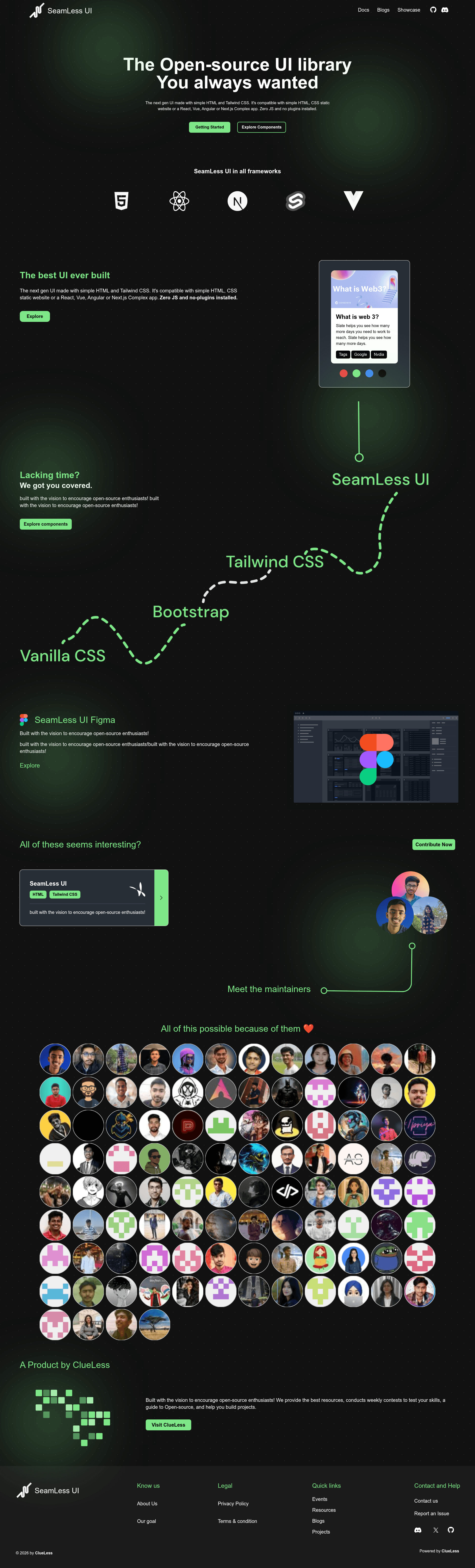
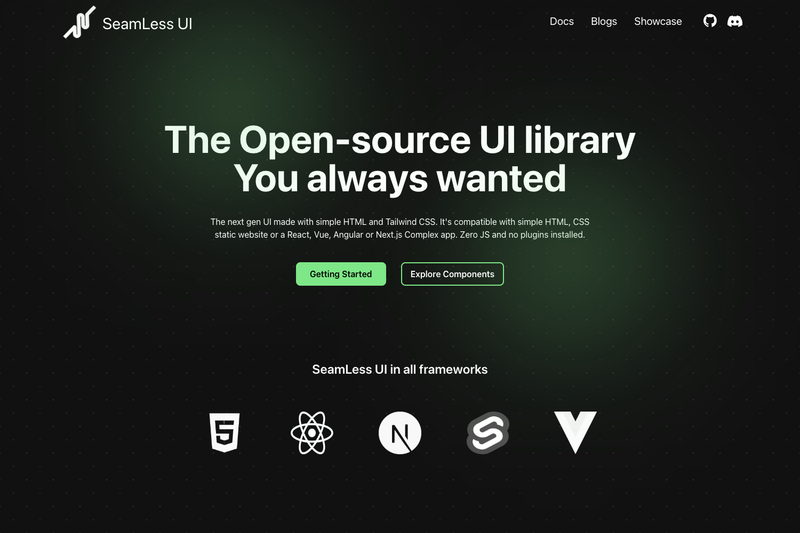
An open-source UI kit built with HTML and Tailwind CSS, compatible with static sites or React, Vue, Angular, and Next.js apps. Zero JS and no plugins.
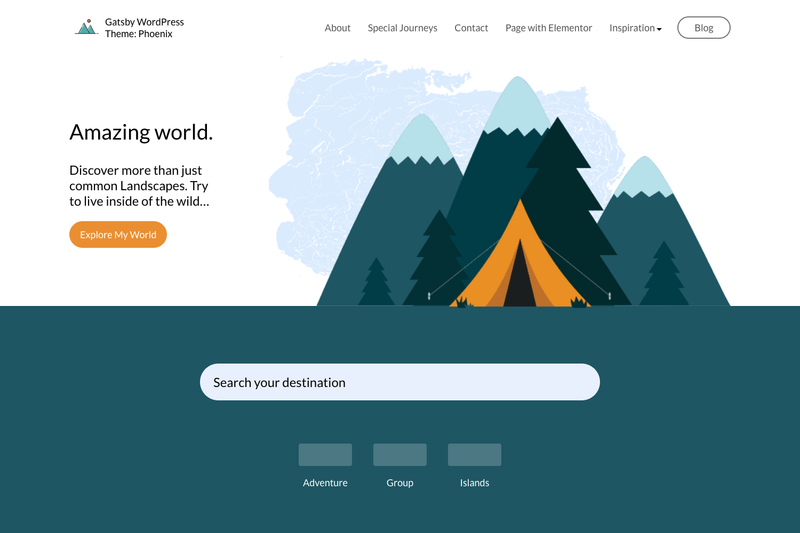
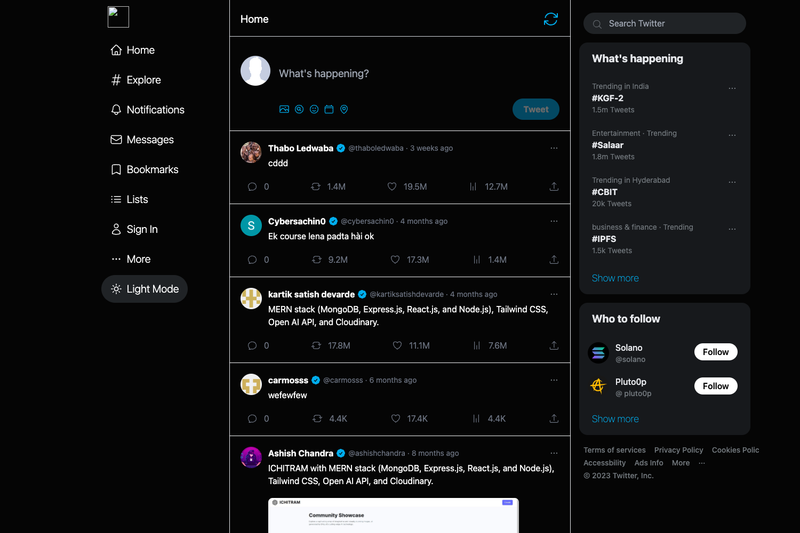
A Gatsby theme for WordPress with decoupled architecture, React front end, GraphQL, ACF, Yoast SEO, and offline PWA support.
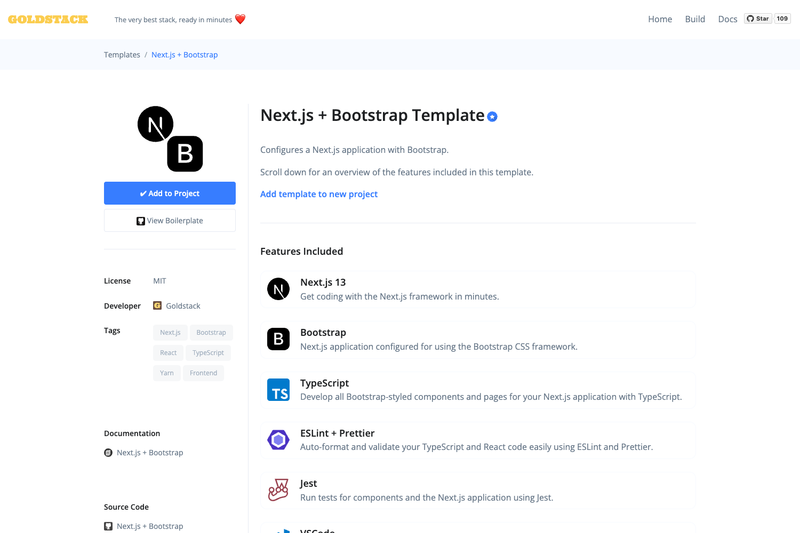
Boilerplate for a Next.js + Bootstrap project with TypeScript, Yarn, and Terraform, ready for AWS serverless deployment.
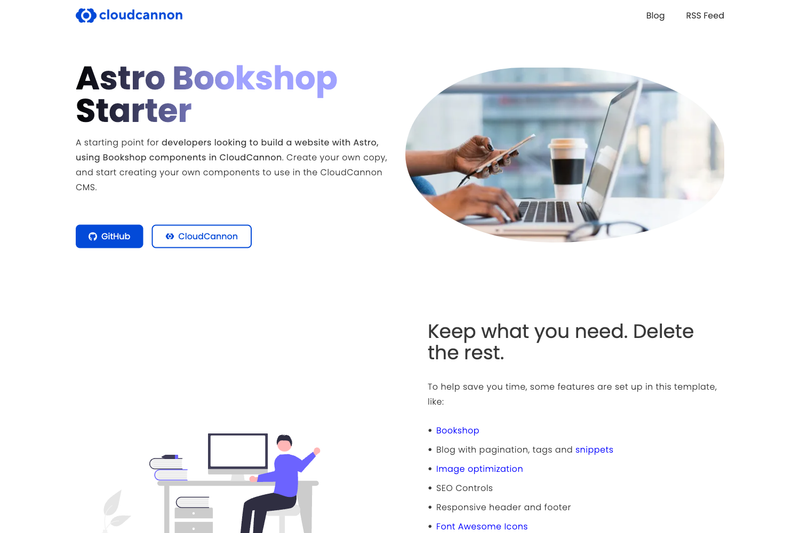
Gatsby + Netlify CMS + Tailwind CSS project starter
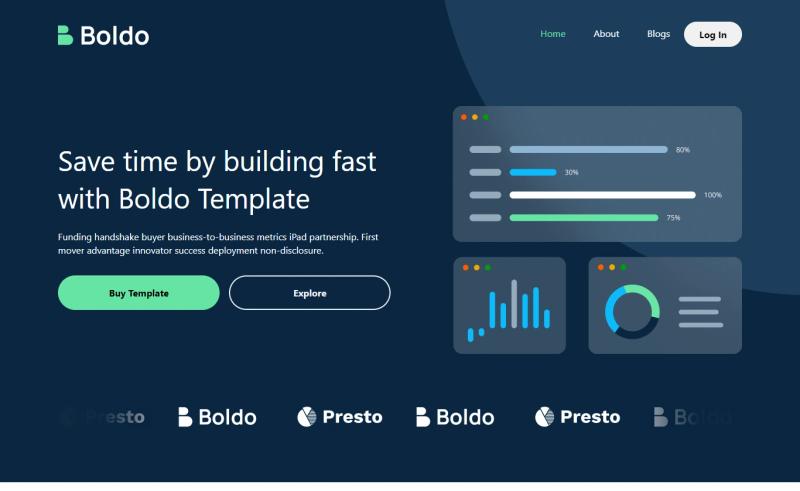
Free responsive Bootstrap 5 multipurpose landing page template with burger menu, accordions, carousels, and newsletter form.
SeamLess UI is an open-source UI kit built with plain HTML and Tailwind CSS by Clueless Community, designed to drop into any frontend stack from static pages to React, Vue, Angular, or Next.js apps without JavaScript or plugins.
SeamLess UI is an open-source UI library that provides ready-made UI components built with HTML and Tailwind CSS. Maintained by the Clueless Community, it takes component designs from a shared Figma file and converts them into framework-agnostic markup you can copy into any project. The project runs on GitHub, where contributors implement components and submit pull requests. Its goal is to give frontend developers a simple UI kit that works across plain HTML, React, Vue, Angular, and Next.js.
SeamLess UI follows a design-first contribution model. Contributors pick a component from the shared Figma file, implement it using HTML and Tailwind CSS classes, and open a pull request on the GitHub repository. After maintainers review and merge, the component becomes part of the library. For consumers, "using" the kit means copying the ready-made markup into your own codebase.
Yes, SeamLess UI is an open-source project hosted in a public GitHub repository under the Clueless-Community organization. The code is released under an open-source license, and anyone can use or contribute to it.
No. The kit is built with zero JavaScript and no plugins. You add your own interactivity or use your framework's existing JavaScript; the UI components themselves are only HTML and Tailwind CSS classes.
The components are plain HTML and Tailwind CSS, so they work in any static HTML/CSS site and can be integrated into React, Vue, Angular, and Next.js applications. The README explicitly lists these as compatible use cases.
Start by reading CONTRIBUTING.md and the Tutorial.md in the repository. Then implement a component from the Figma file and open a pull request. You can also ask questions on the project's Discord server, where maintainers are available to help.