Newsletter
Join the Community
Subscribe to our newsletter for the latest news and updates

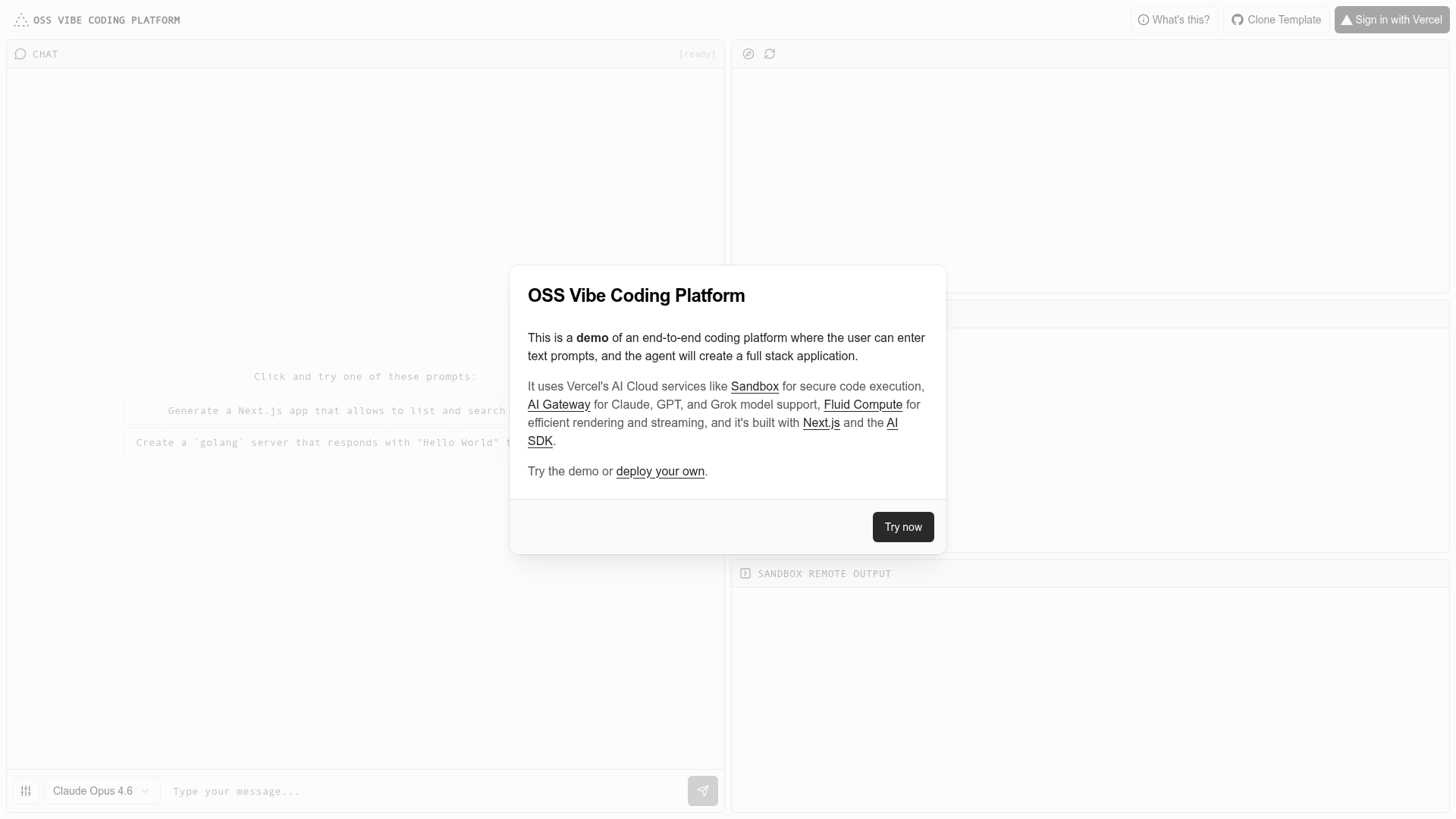
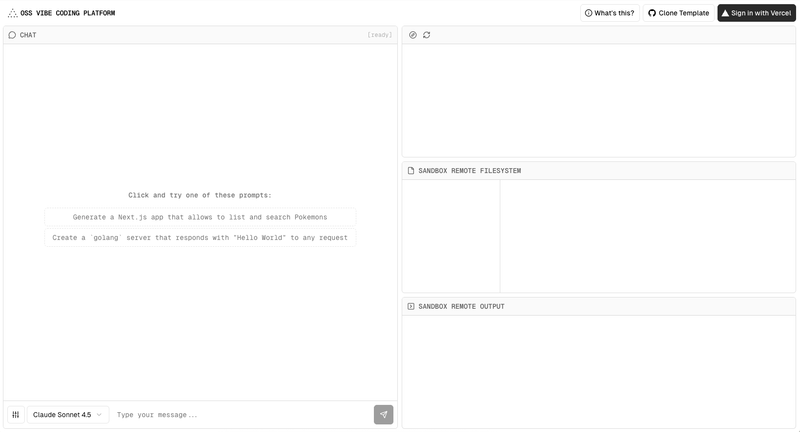
An end-to-end text-to-app coding platform with AI agent, multi-model support, sandboxed execution, and live preview on Vercel.
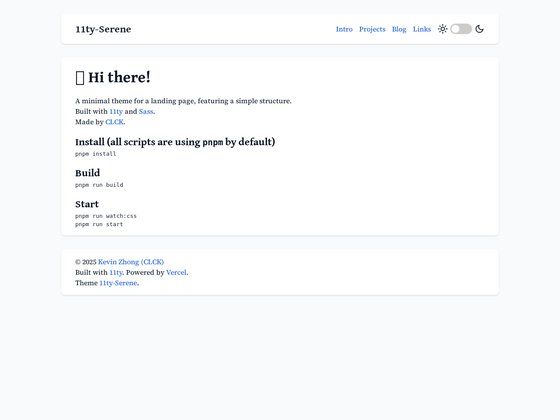
A minimal landing page and integrated blog theme built with 11ty and Sass.
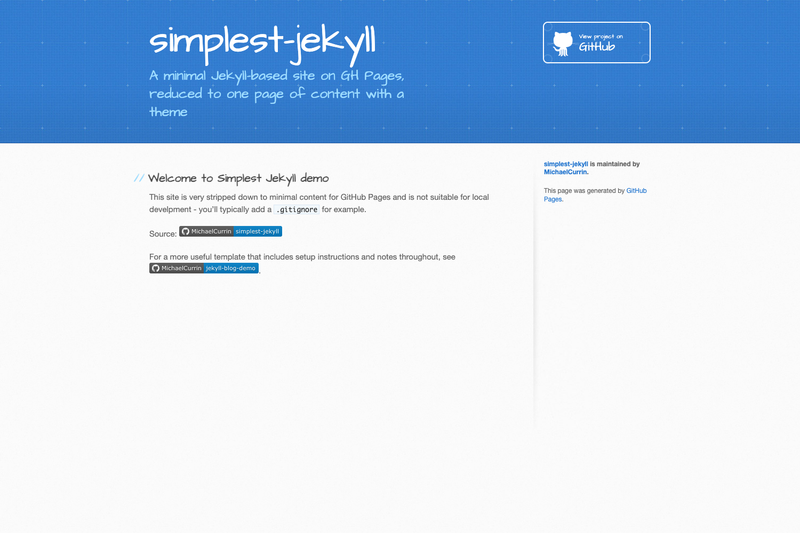
A minimal Jekyll-based site on GH Pages, reduced to one page of content with a theme
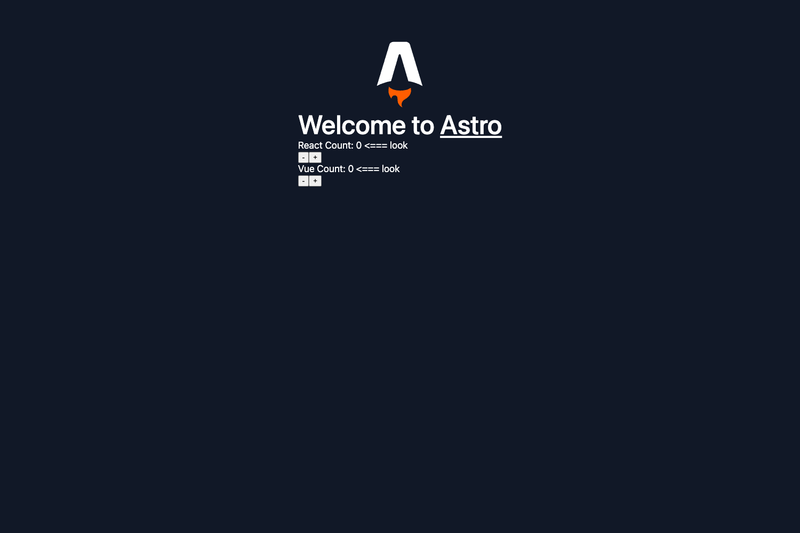
A minimal Astro starter demo that mounts React and Vue counter components on one page with a shared variable.
Gatsby starter with internationalization (i18n), RTL support, SEO, and styled-components.
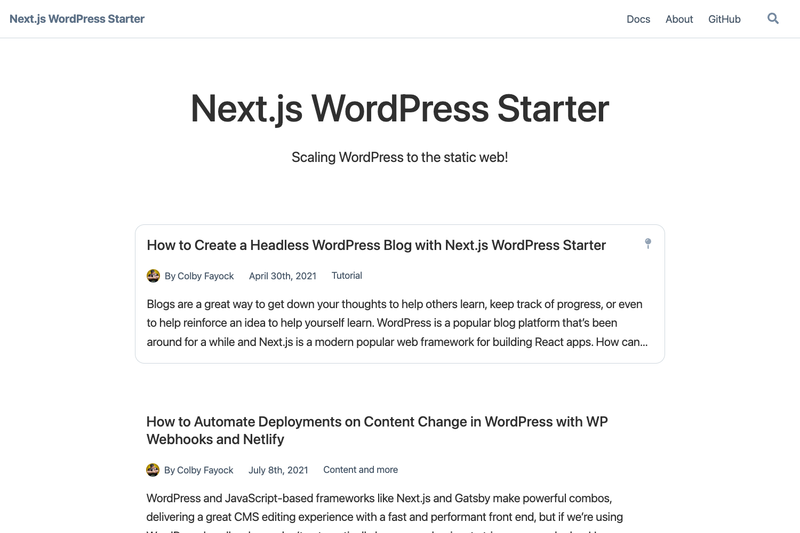
Bring WordPress to the static world with Next.js
Vibe Coding Platform is an open-source, end-to-end text-to-app coding template built on Next.js and Vercel's AI Cloud that turns plain-English prompts into full-stack applications inside a sandboxed environment, complete with a live preview, a file explorer, and command logs.
Vibe Coding Platform is a Vercel example application that accepts a natural-language description of an app and returns runnable full-stack code. It runs in the browser on Next.js with Turbopack, uses Vercel's AI SDK v6 for streaming the agent's reasoning, and relies on Vercel's AI Gateway for multi-model routing and Vercel Sandbox for safe code execution. The platform is published as one of the official examples in the Vercel examples repository, meaning it is maintained by Vercel and freely available for developers to clone and customize.
vc deploy.You type a text prompt into the input field, select a model, and click generate. The AI agent starts by planning the project, then writes files into the sandbox, executes commands, and streams logs and the live preview back to the browser. Once the app is ready, you can inspect the file explorer or deploy the result to Vercel with the deploy button.
The platform supports Claude Opus 4.6, Claude Sonnet 4.6, GPT-5.3 Codex, and Grok 4.1 Reasoning. Model availability is managed through Vercel's AI Gateway, so you can change the selection without code changes.
Clone the repository from the Vercel examples repo, install dependencies with pnpm install, then start the development server with pnpm dev. The app will be available at http://localhost:3000.
Use the Deploy with Vercel button to automatically clone the repository and set up the project on Vercel. Alternatively, run vc deploy from the command line after linking your Vercel account.
The source code lives in the Vercel examples repository on GitHub, under the apps/vibe-coding-platform directory. The repository is publicly accessible and open for contributions.