Newsletter
Join the Community
Subscribe to our newsletter for the latest news and updates

Minimal, clean Hugo theme for building fast, content-focused static blogs with social links, Disqus, and Google Analytics.
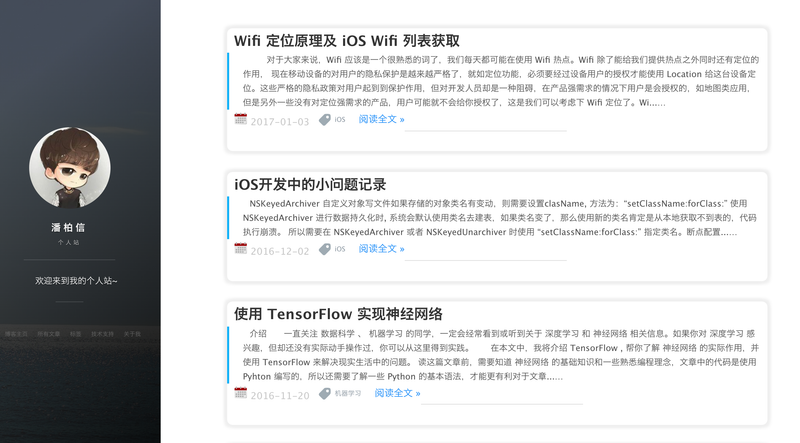
A free responsive Jekyll blog template with avatar effects, tipping support, tag categories, and GitHub Pages deployment.
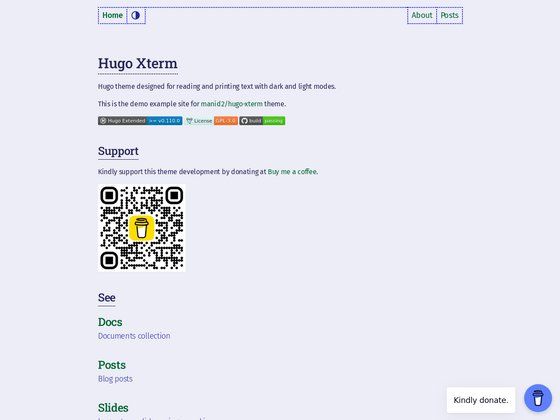
Hugo theme designed for reading and printing text with dark and light modes.
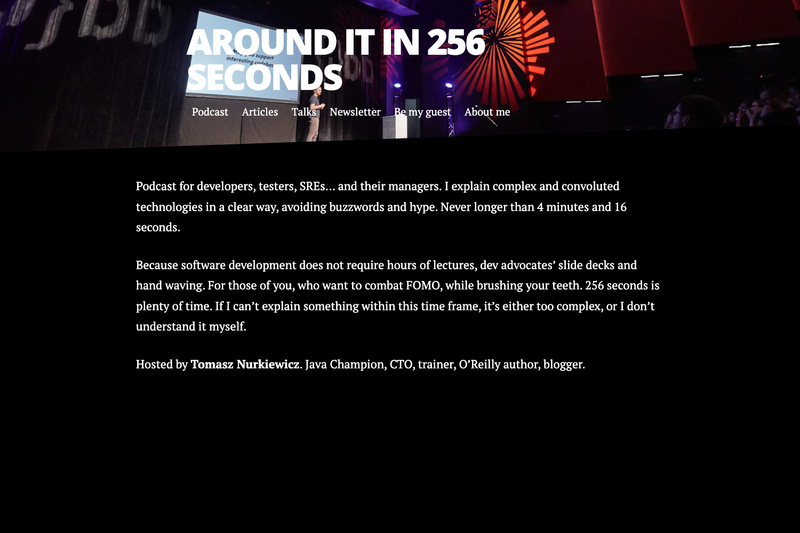
Open-source Jekyll blog and podcast site for Around IT in 256 seconds, using the Chirpy theme.
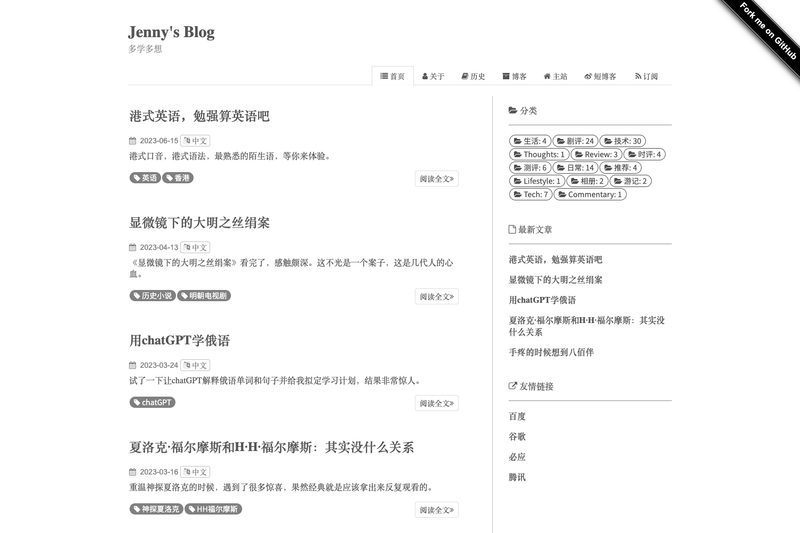
Slim is a minimal, clean Hugo theme for building fast, content-focused static blogs and personal sites.
Slim is a minimal, clean theme for Hugo, a static site generator. It takes Hugo markdown content and configuration and produces a static HTML site. The theme is authored by GitHub user zhe and is open sourced under the MIT license. The live demo is hosted at themes.gohugo.io/theme/slim.
comments front matter flag.config.toml) and YAML (config.yaml) Hugo site config files.comments: true to a post's front matter, while leaving other posts comment-free.hugo server -t slim to preview a new site quickly.Install the theme by cloning the GitHub repository into your Hugo site's themes directory, then add the desired params to your config file. Build the site with hugo server -t slim for local development or hugo to generate static files. The theme reads the configured params and front matter to render the layout.
Slim is free and open source under the MIT license, so you can use it for personal and commercial projects without paying a license fee.
Clone the repository into your Hugo site's themes folder: git clone https://github.com/zhe/hugo-theme-slim slim. Then add theme = "slim" to your site config, or use -t slim when running hugo commands.
Set your Disqus shortname in the site config under params.DisqusShortname. Then, in a post's front matter, add comments: true to enable comments for that post. If the variable is omitted or set to false, comments stay disabled.
Provide your GitHub and Twitter usernames in the site config under params.GithubID and params.TwitterID. The theme will display these links in the site.
Yes, Slim is released under the MIT license, which allows free use, modification, and distribution, including for commercial projects.
Uncomment the FooterMsg param in your config file and set it to the text you want displayed in the footer. The comment in the config shows the default usage example.