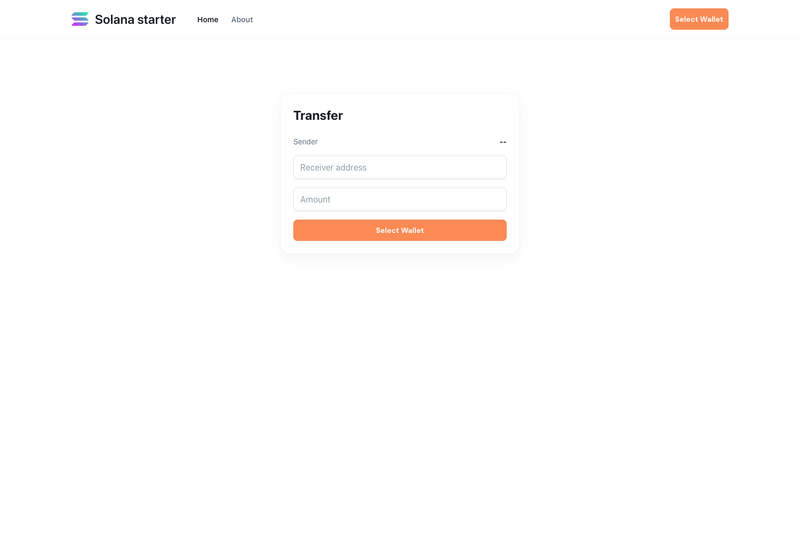
Solana NextJS Starter is a free, MIT-licensed boilerplate that scaffolds a Solana blockchain dApp frontend on Next.js with Tailwind CSS and Radix UI.
What is Solana NextJS Starter?
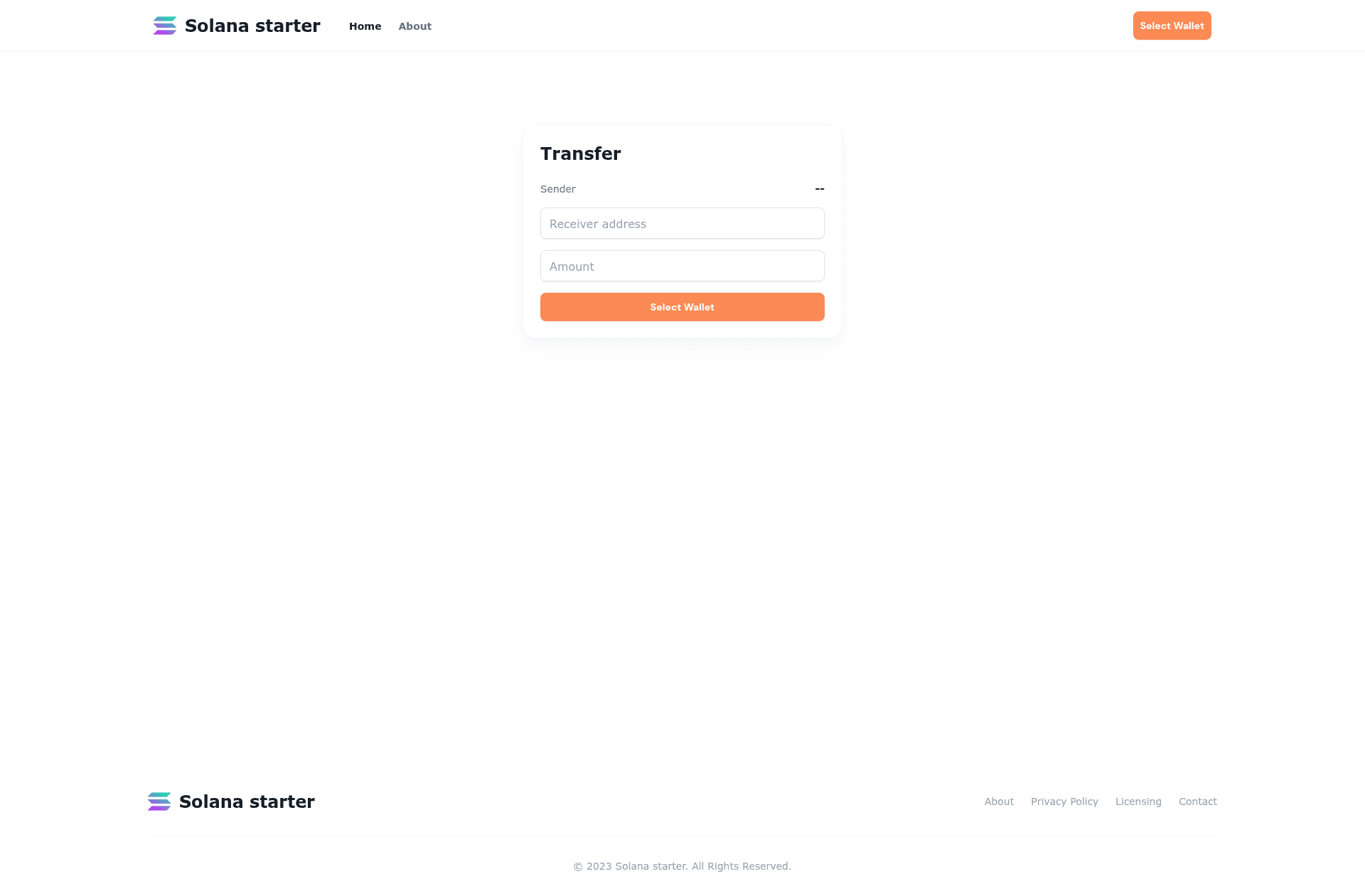
Solana NextJS Starter is a GitHub-hosted boilerplate template created by developer Khac Vy (GitHub user trankhacvy) for building Solana-powered web applications. It provides a pre-configured starting point for a Solana dApp, including wallet connection capabilities, component primitives, and a testing and linting toolchain. The template runs on Next.js and can be started locally with yarn dev, serving the app at http://localhost:3000.
Key Features
- Next.js framework — The starter runs on Next.js, the React-based production framework, and uses Tailwind CSS for utility-first styling.
- Solana Wallet Adapter — Integrates the official Solana Wallet Adapter library so users can connect Phantom, Solflare, and other Solana wallets out of the box.
- @solana/web3.js JavaScript SDK — Bundles the standard Solana JavaScript SDK for building transactions, reading account data, and interacting with programs.
- Radix UI primitives — Includes Radix UI, an accessible component library, for building dialog, dropdown, and other interaction patterns used in dApp interfaces.
- Tailwind Variants — Adds Tailwind Variants for managing component style variants in a type-safe way alongside Tailwind.
- Testing and quality tooling — Comes configured with Jest and React Testing Library for unit tests, Playwright for end-to-end tests, Storybook for component development, and ESLint plus Prettier for code quality.
- Automated release management — Uses Conventional Commits, Semantic Release, and Renovate BOT to automate versioning, changelog generation, and dependency updates.
- One-click Vercel deployment — The repository includes a Vercel deploy button that lets you spin up a live deployment from the GitHub repo directly.
Who is it for?
- Solana dApp developers — Use the starter to skip configuration and go straight to building wallet-connected features such as token transfers or NFT displays.
- Web3 frontend engineers — Start from a codebase that already has Tailwind styling, Radix components, and Storybook set up, so they can focus on product logic.
- Open-source contributors — Fork the repository and contribute following the Conventional Commits and pull request guidelines documented in the README.
- Teams adopting Solana — Use the boilerplate as a consistent foundation for multiple internal projects, with testing and linting standardized from day one.
What can you do with Solana NextJS Starter?
- Launch a wallet-connected web app — Implement 'connect wallet' flows with Solana Wallet Adapter and display the connected account's public key and balance.
- Prototype Solana program interactions — Use the bundled @solana/web3.js SDK to send transactions or invoke Solana programs from your Next.js frontend.
- Build a component library with Storybook — Develop and document UI components in isolation using the included Storybook setup before wiring them into pages.
How does Solana NextJS Starter work?
Clone the repository with git clone [email protected]:trankhacvy/solana-nextjs-starter.git, install dependencies with yarn install --frozen-lockfile, and start the development server with yarn dev. The app then runs at http://localhost:3000. For production, the README offers a one-click Vercel deployment button that creates a live version from the GitHub repository.
Pricing
Solana NextJS Starter is free and open source under the MIT License, so you can use it in commercial and personal projects without paying a license fee.
FAQ
Is Solana NextJS Starter free?
Yes, the project is licensed under the MIT License, which permits free use, modification, and distribution, including for commercial purposes.
What tech stack does Solana NextJS Starter use?
The starter is built on Next.js and Tailwind CSS, with Radix UI for accessible components, the Solana Wallet Adapter and @solana/web3.js for blockchain integration, and Jest, React Testing Library, Playwright, Storybook, ESLint, and Prettier for development quality.
How do I deploy a project built with this starter?
You can use the one-click Vercel deployment button in the README to deploy directly from the GitHub repository, or run your own deployment to any platform that supports Next.js applications.
Does the starter include automated testing?
Yes, it comes with Jest and React Testing Library for unit and component tests, plus Playwright for end-to-end browser tests.
Can I contribute to the Solana NextJS Starter project?
Yes, the repository's contribution guide asks you to fork it, create a descriptively named branch, commit changes using Conventional Commits, push, and open a pull request for review.