Newsletter
Join the Community
Subscribe to our newsletter for the latest news and updates

A Hugo portfolio theme with a timeline layout, Material Design styling, and a pixel-art style switch.
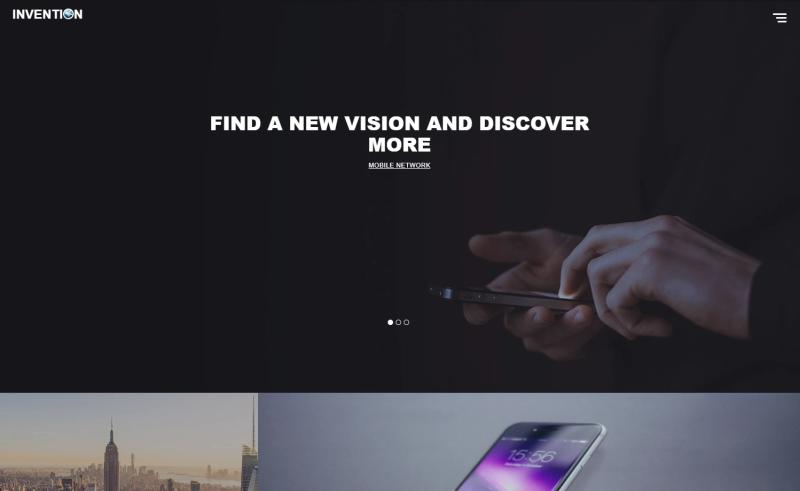
Free responsive HTML5 single-page portfolio template powered by Bootstrap 3 from Technext Limited.
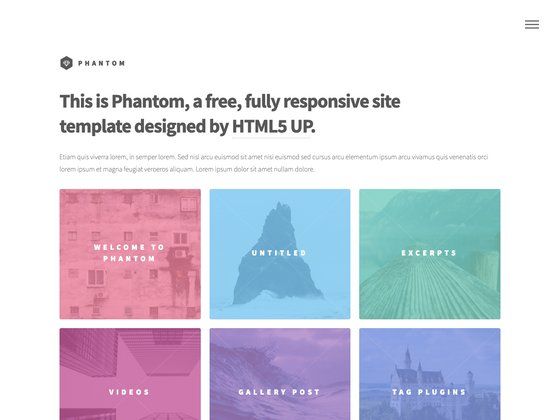
A responsive Hexo theme for photography and design portfolios, ported from the HTML5Up Phantom template.
Vertical Theme is one-page mini template with vertical sliding pages. The layout is designed by black and red colors.
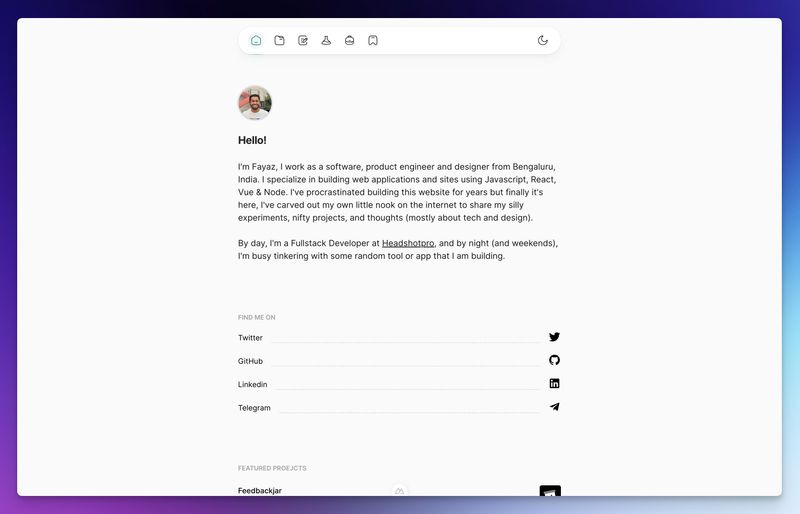
A minimal personal portfolio template built with Nuxt 3, Nuxt Content, and Tailwind CSS for developers and designers.
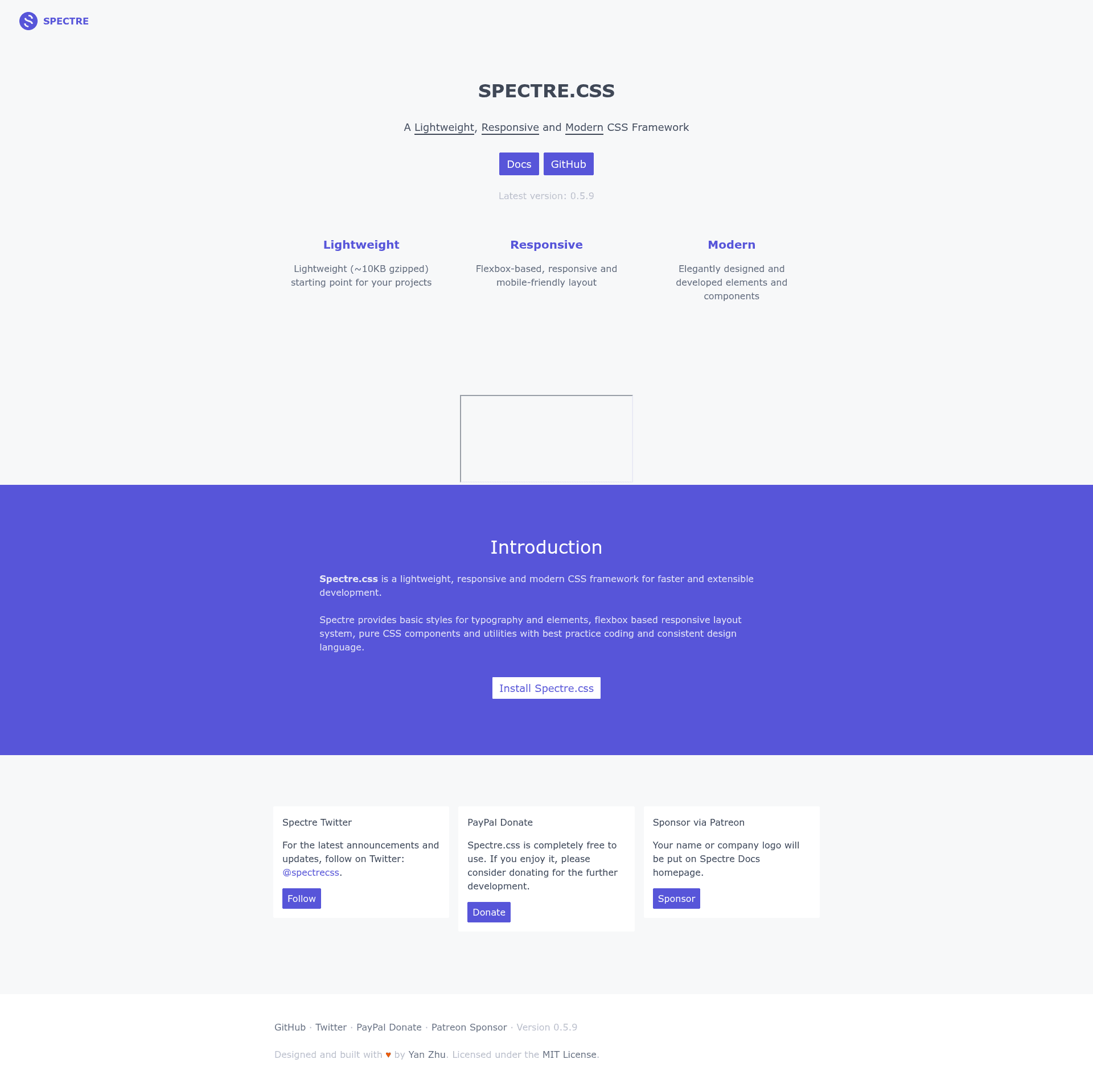
Spectre Pixel Theme is a Hugo portfolio theme that pairs a Material Design-inspired layout with SPECTRE.CSS and an optional pixel-art style toggle, built by st-wong.
Spectre Pixel Theme is an open-source Hugo theme for portfolio sites that combines a timeline layout with a Material Design aesthetic and a unique pixel-art visual switch. It takes Markdown content and a config.toml configuration as input and produces a static website through Hugo. The theme runs on the Hugo static site generator, and was inspired by the Cactus Theme and SPECTRE.CSS.
{{< tag javascript >}}) with Devicons icons, and links to tag pages that must exist in your content.static/css/style.css to change fonts and colors; the README suggests using LOSPEC palettes for pixel-theme colors.exampleSite folder containing a ready-to-copy config.toml and an About page (_index.md) with instructions for personalization.config.toml, writing Markdown, and tweaking CSS to adapt the theme to their brand.The README outlines six setup steps: install Hugo, create a new site with hugo new site MySite, clone the theme recursively into themes/spectre-pixel, copy and edit the example config.toml, run hugo server -t spectre-pixel for local testing, and deploy. The About page content is managed via _index.md in the content/about folder.
Yes, the theme is released under the MIT license, which means it is free to use, modify, and distribute for personal or commercial projects.
It is built for Hugo, a popular open-source static site generator. The setup instructions require installing Hugo before using the theme.
Edit the image paths in static/css/style.css — the lines url("../images/avatar.png") and url("../images/pixel.png") need to point to absolute URLs like https://YOUR_DOMAIN/images/avatar.png.
The Devicons shortcode generates links to tag pages. If the tags used in the shortcode do not exist in your posts' tags, the page will return a 404. Make sure to add matching tag entries to your content.