Newsletter
Join the Community
Subscribe to our newsletter for the latest news and updates

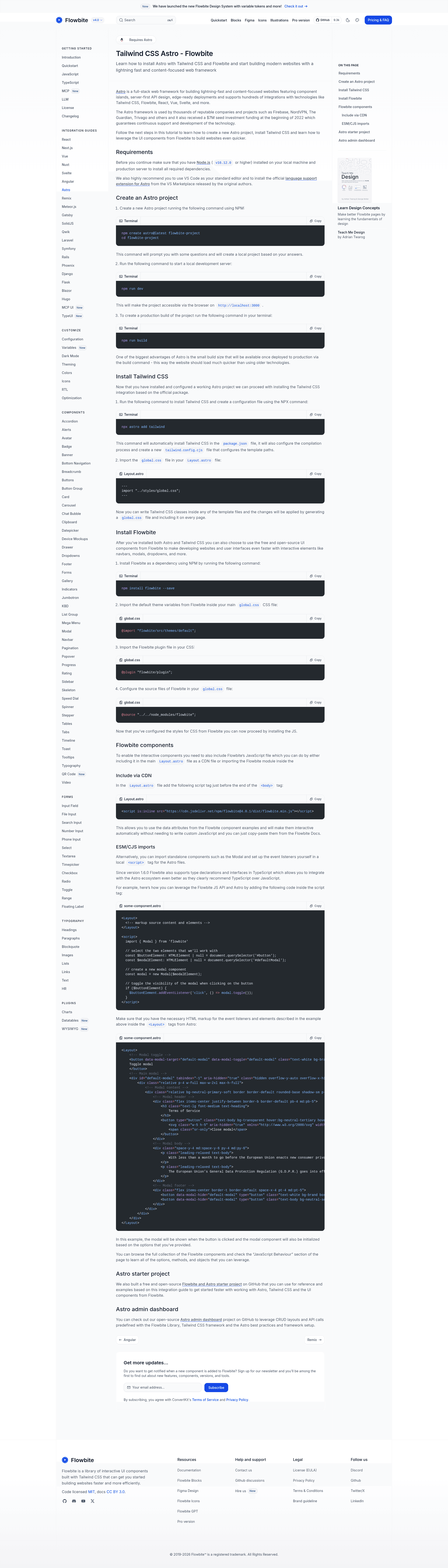
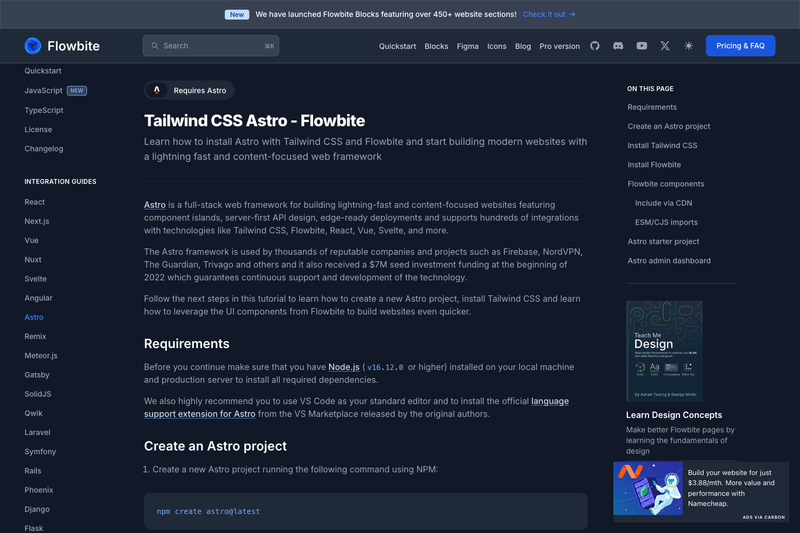
Free and open-source starter project to help you get started with Astro, Tailwind CSS and Flowbite.
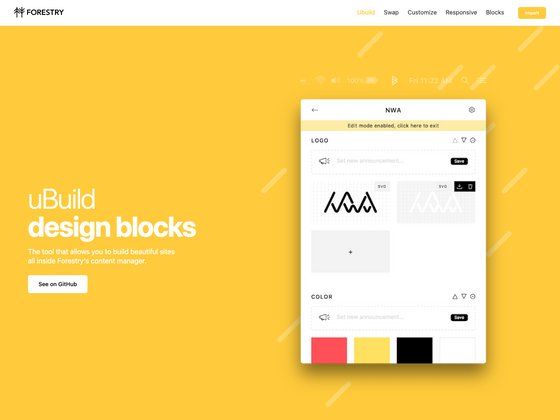
A Jekyll theme that integrates Forestry Blocks to let content editors build static pages from reusable page-level components.
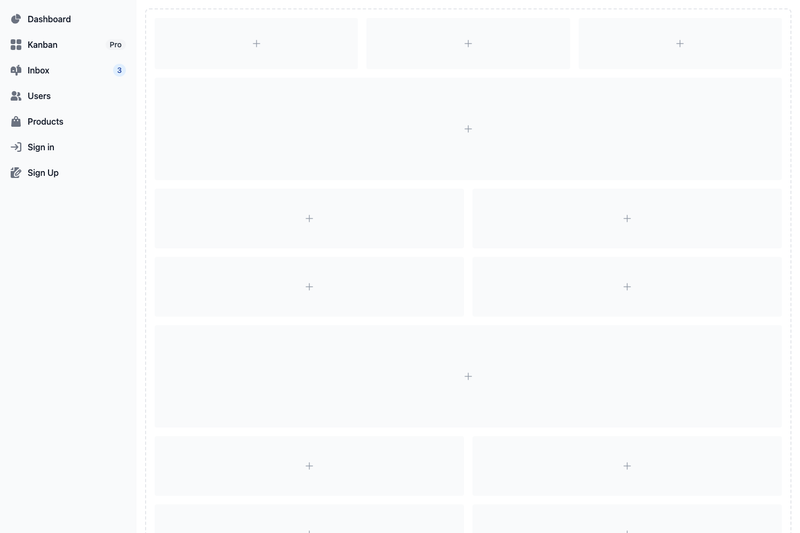
Starter template for using Bun and Bun test with Astro, set up for deployment to Vercel.
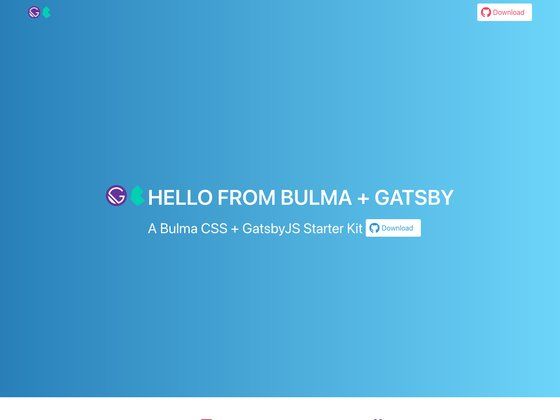
Gatsby v2 starter with Bulma CSS, SASS, Google Analytics, SEO, and Netlify deployment for quickly bootstrapping static sites.
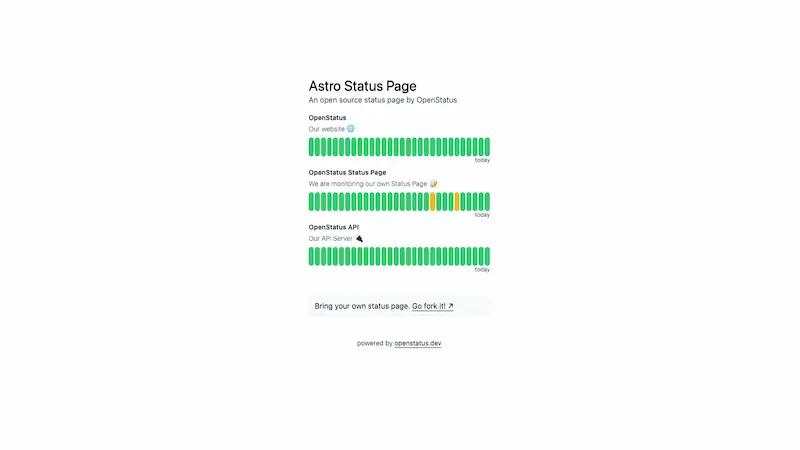
A free open-source status page built with Astro that displays uptime from the OpenStatus API.
Tailwind 4 Astro Starter is a free, open-source boilerplate from the Flowbite team that wires together the Astro framework, Tailwind CSS, and the Flowbite UI component library so developers can scaffold a fast-loading static site with ready-made interactive components.
It's a starter project that walks you through creating a new Astro site, installing Tailwind CSS, and adding Flowbite's free UI components such as navbars, modals, and dropdowns. It takes a fresh Node.js environment (version 16.12.0 or higher) and produces a static Astro build with Tailwind styling and Flowbite's JavaScript-powered interactivity. It runs on Astro and is maintained by Flowbite as a companion to their official Astro tutorial.
npm run build command produces small static builds that load faster than older server-rendered approaches.npx astro add tailwind installs the package, configures the compilation process, and generates a tailwind.config.cjs file for template path configuration.is:inline script tag in Layout.astro, or imported per component via ESM/CJS modules.flowbite node module from global.css.HTMLElement references.npm create astro@latest flowbite-project, then run npm run dev for a local server on port 3000.global.css included on every page.npm run build to output a small static bundle suitable for deployment.The onboarding is a three-stage command-line flow: first create the Astro project and start the dev server, then install Tailwind with npx astro add tailwind, and finally install Flowbite with npm install flowbite --save plus the CSS and script configuration described in the README. After the CSS imports are set up, the last step is adding Flowbite's JavaScript either as a CDN script in Layout.astro or as a module import.
global.css import/source configuration is done manually after the package installs.Free and open source. Both the starter project and the Flowbite UI components it installs are free, and the page lists no paid tiers.
Astrowind, another Astro and Tailwind CSS starter that ships additional pre-built page sections.
Yes — the repository is free and open source, and the Flowbite UI components it installs are also free to use. No paid tier is mentioned on the page.
You need Node.js version 16.12.0 or higher installed on both your local machine and production server before running the install commands.
Add the CDN script tag pointing to [email protected] just before the closing body tag of your Layout.astro file, and copy-paste Flowbite's data-attribute markup. Alternatively, import component modules such as Modal and attach event listeners yourself.
Yes, Flowbite has shipped type declarations and interfaces since version 1.6.0, and Astro officially recommends TypeScript over JavaScript, so the two integrate cleanly.
It doesn't ship pre-built pages; it provides the setup instructions and configuration to combine Astro, Tailwind CSS, and Flowbite. You generate the Astro project, add Tailwind, install Flowbite, and then use the components.