Newsletter
Join the Community
Subscribe to our newsletter for the latest news and updates

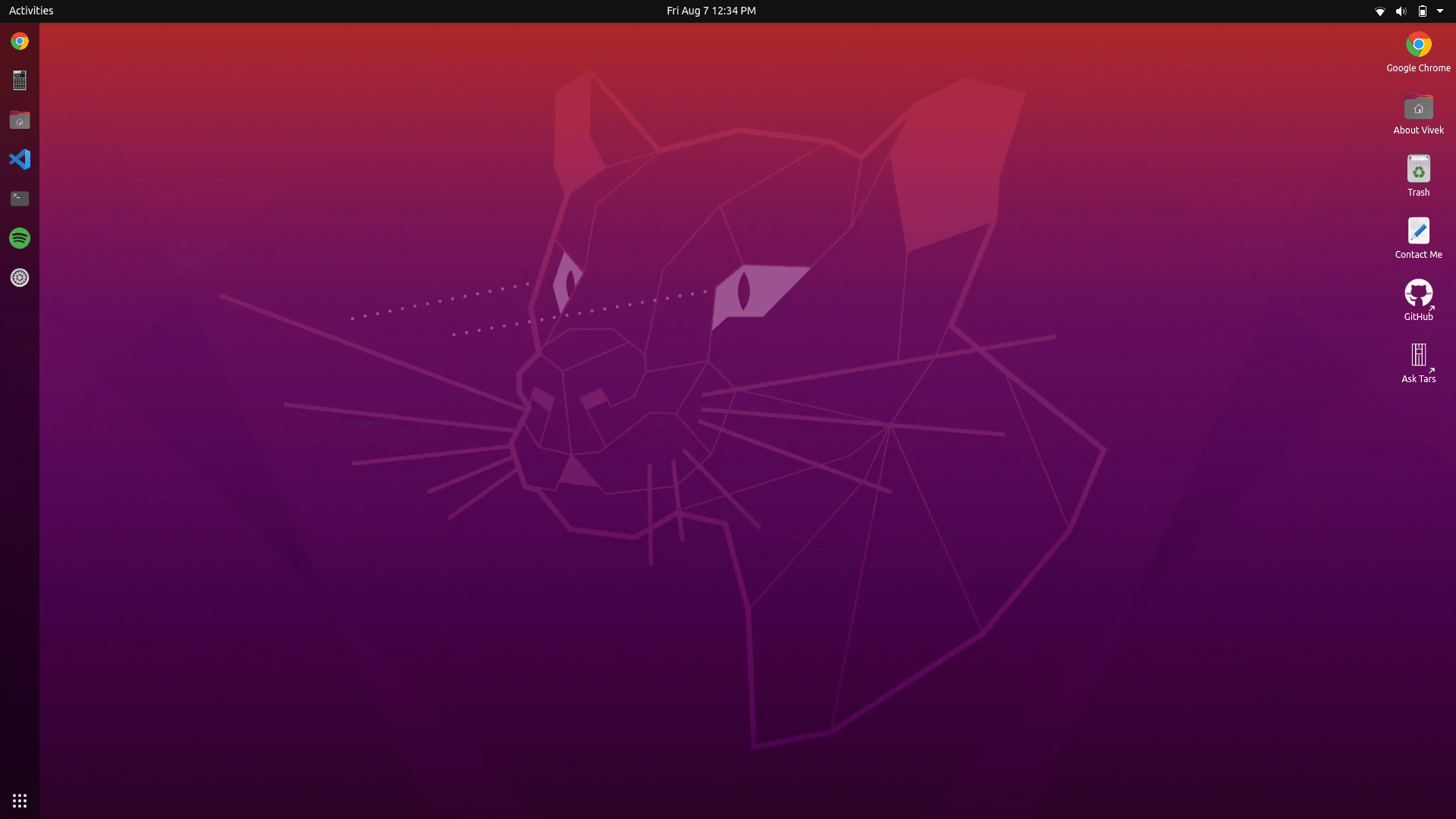
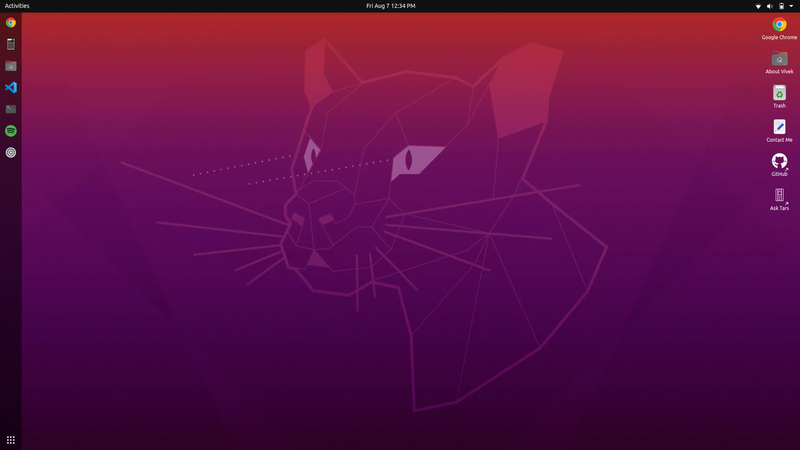
Web simulation of Ubuntu 20.04, made using Next.js and Tailwind CSS.
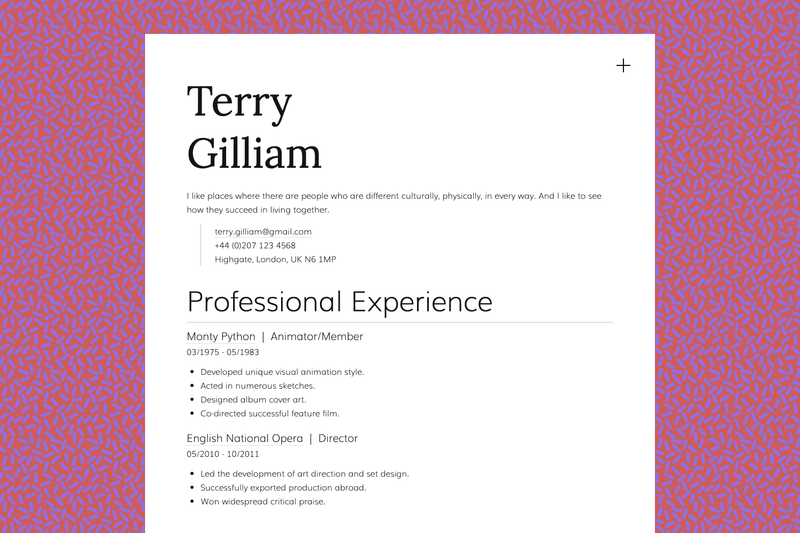
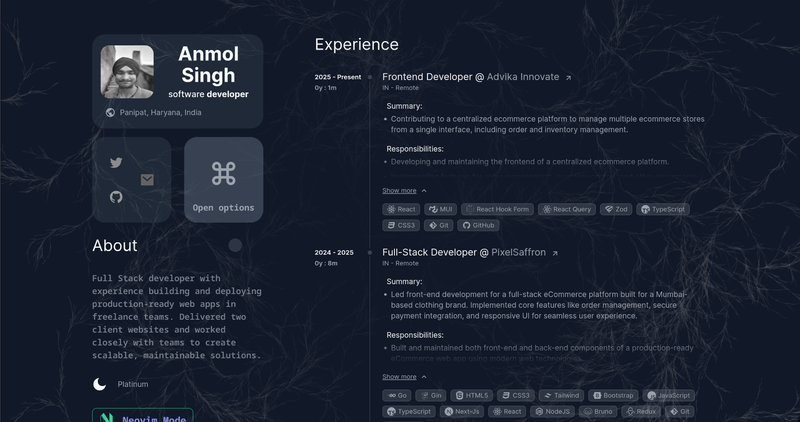
A Jekyll template for a simple two-page CV & portfolio website with no JavaScript or external dependencies.
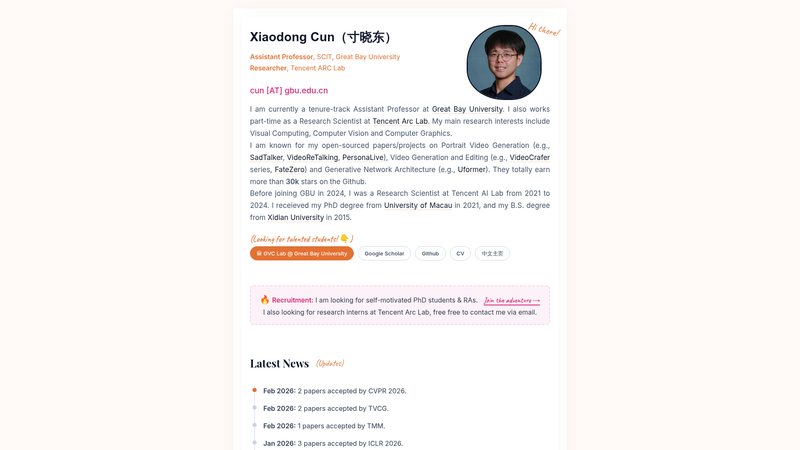
A Jekyll-based academic homepage template inspired by Jon Barron, easy to fork for a personal site.
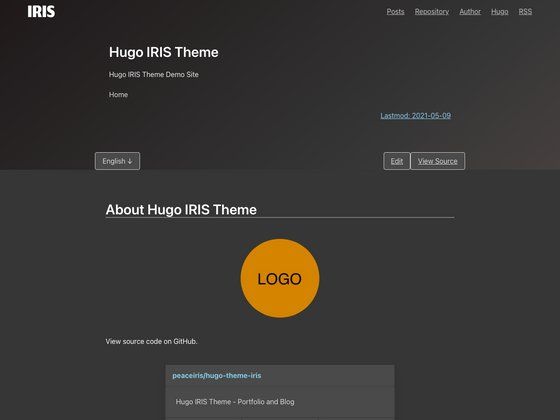
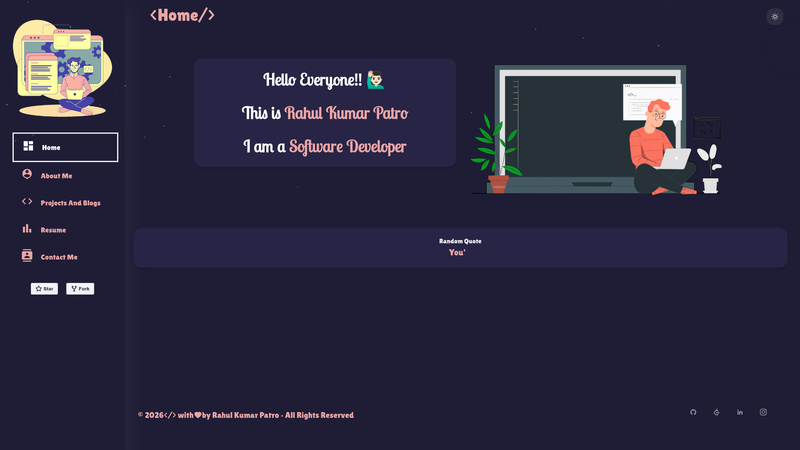
Dark, responsive Hugo theme for portfolios and blogs with slides, multilingual, and SEO features.
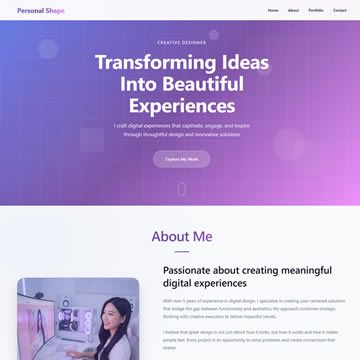
Free one-page HTML CSS portfolio template from TemplateMo with a purple gradient homepage, four content sections, and custom CSS styling.
vivek9patel.github.io is an open-source personal portfolio template that recreates the Ubuntu 20.04 desktop environment as an interactive web experience, built with Next.js and Tailwind CSS.
It is a portfolio website theme that simulates the Ubuntu 20.04 operating system inside the browser, using a desktop metaphor with windows, menus, and icons for presenting a developer's projects and contact information. The project is written in Next.js with Tailwind CSS, is maintained on GitHub under the repository vivek9patel/vivek9patel.github.io, and has collected over 4,300 stars. Input is your content in the component files, and output is a deployable static portfolio site.
NEXT_PUBLIC_USER_ID, NEXT_PUBLIC_TEMPLATE_ID, and NEXT_PUBLIC_SERVICE_ID in a .env file./src/components, so you edit content and layout in one directory.npm start runs the development server with live reload, and npm run build creates a minified production bundle with hashed filenames.To run it locally, clone the repository, run npm start (or yarn start), and open http://localhost:3000. Edit the files in /src/components to change your portfolio's content, then run npm run build to produce a production-ready build with minified assets. For the contact form, you must create an EmailJS account, set up a service, and paste your user ID and service ID plus a template ID into a .env file.
Yes, the repository is publicly available on GitHub as open source, and the author accepts contributions and donations through Buy Me A Coffee.
Clone the project and edit the files in /src/components. Each component corresponds to a part of the simulated desktop, so you can change text, colors, and layout there.
Create an account at EmailJS, create a new service using a Gmail or Outlook account, then copy your service ID. Add a .env file with your user ID, service ID, and a template ID, and the form will send messages to your email.
The template uses Next.js as the React framework and Tailwind CSS for styling. It is based on Create Next App and includes standard development and build scripts.