Newsletter
Join the Community
Subscribe to our newsletter for the latest news and updates

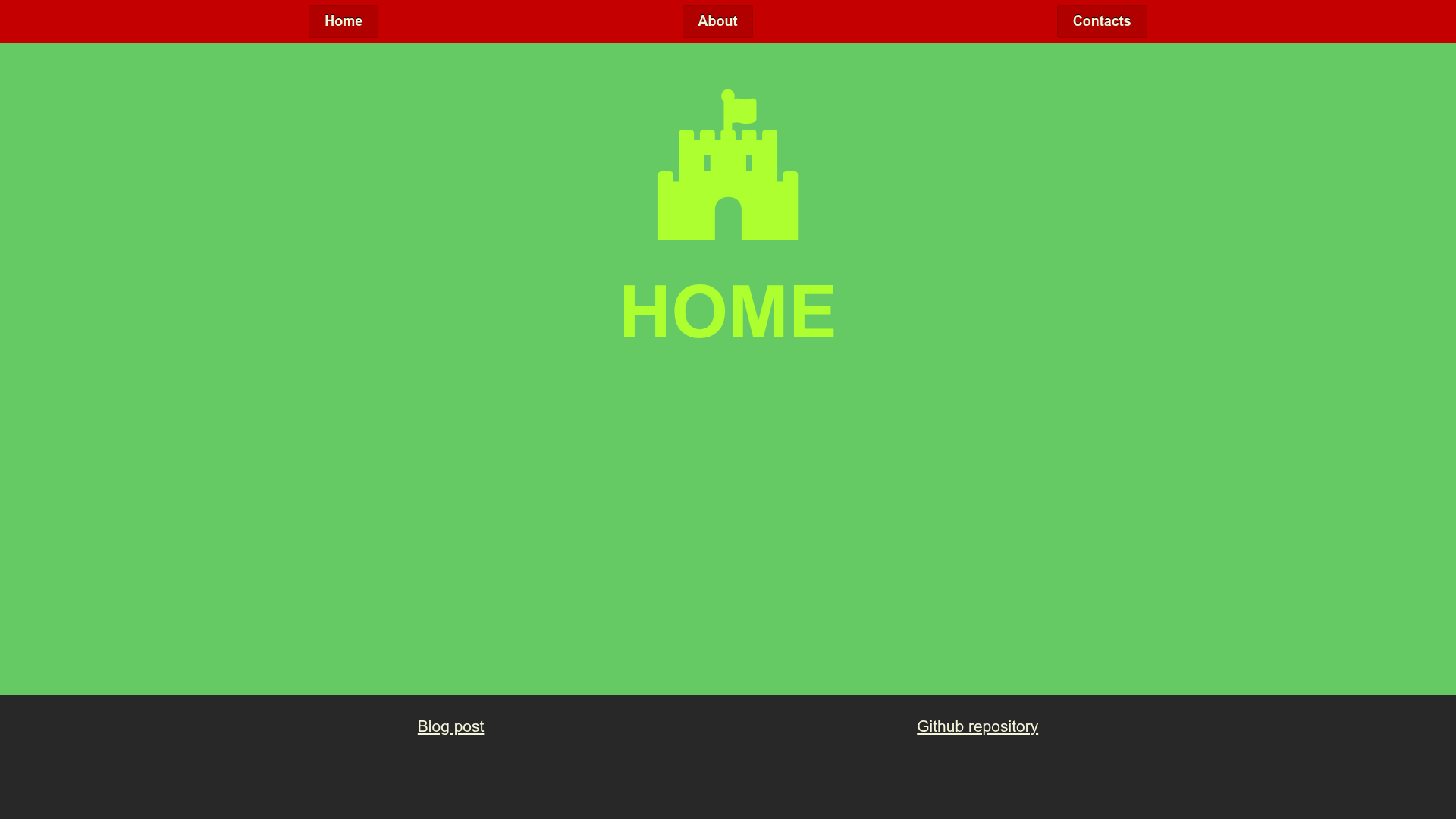
Webpack template/example with multiple static html pages
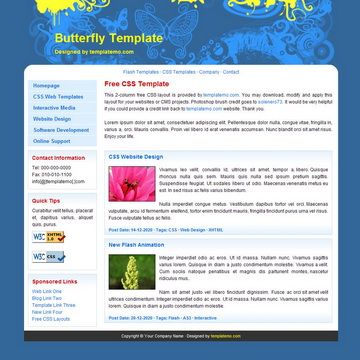
Free download - Butterfly website layout, 2-column CSS template
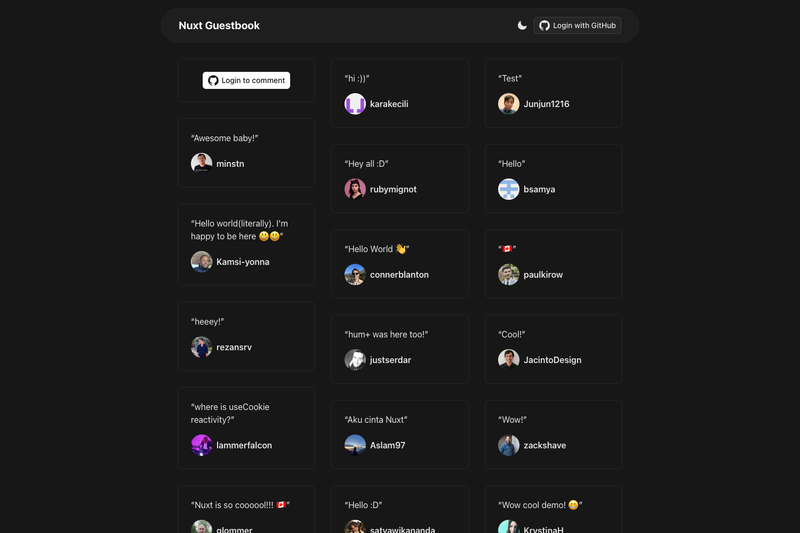
A Nuxt application with SSR on the edge, authentication and a SQLite database.
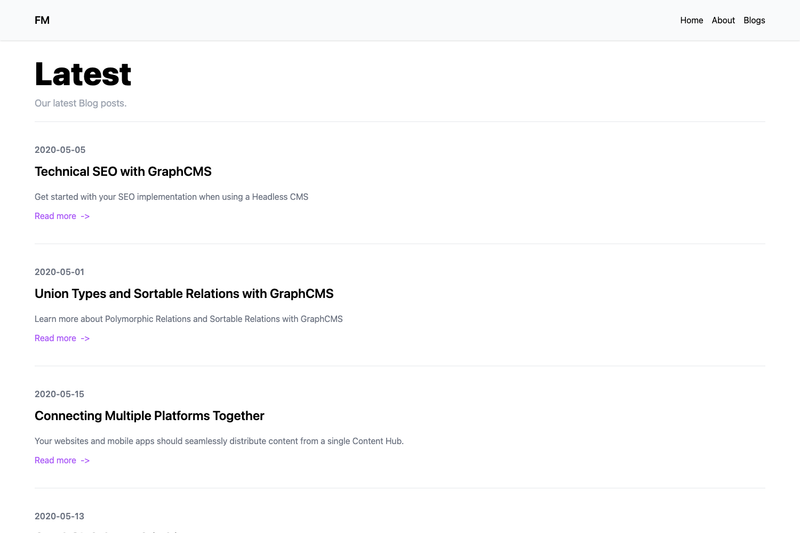
Official Next.js starter with Tailwind CSS v3 pre-configured, deployable to Vercel.
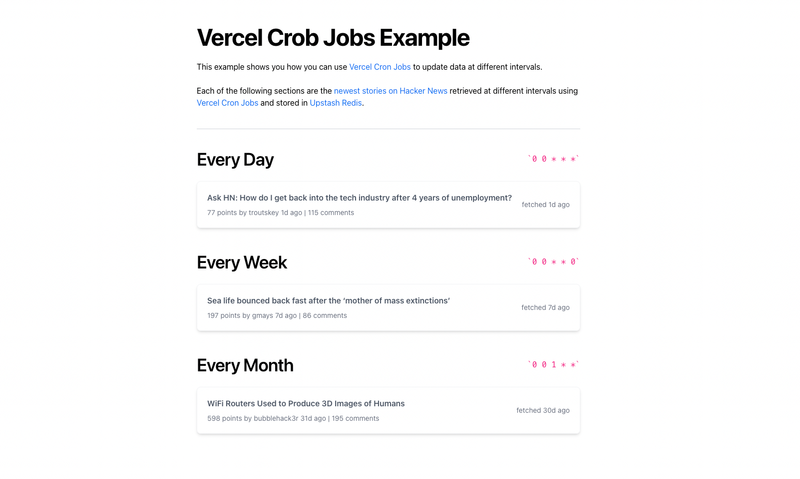
A Next.js app that uses Vercel Cron Jobs to update data at different intervals.
Webpack Static HTML Pages is a forkable Webpack 5 boilerplate that assembles a static website with multiple HTML pages from plain HTML, CSS, and JavaScript. The repository provides a complete example of how to use webpack to process several standalone pages and output them into a deployable 'dist' directory. It is written by Ivar Prudnikov and published on GitHub with a companion article describing its setup.
Webpack Static HTML Pages is a boilerplate repository that uses Webpack 5 to build a static site from hand-written HTML, CSS, and JavaScript files. As input, it takes source pages written in plain markup; as output, it produces a production-ready folder with bundled html, css, and js assets. The project is hosted on GitHub and is designed to be forked as a starting point for new static websites.
Start by cloning the repository and running 'npm i' to install dependencies. During development, 'npm start' serves the site with hot-reloading. When you are ready to publish, 'npm run build' compiles everything into 'dist/', and 'npm run preview' serves that production build locally for final checks.
Yes, it is an open-source repository on GitHub, so it is free to fork, modify, and reuse.
The default branch is Webpack 5. A separate branch named 'webpack4' contains the earlier implementation.
Node.js and npm must be installed. The repository includes an .nvmrc file that suggests the Node version used.
Make sure the website is running locally with 'npm start' or 'npm run preview', then execute 'npm run cy:run' in another terminal.