Newsletter
Join the Community
Subscribe to our newsletter for the latest news and updates

A minimal, responsive Jekyll blog theme with Disqus comments, Instagram feed, and clean design.
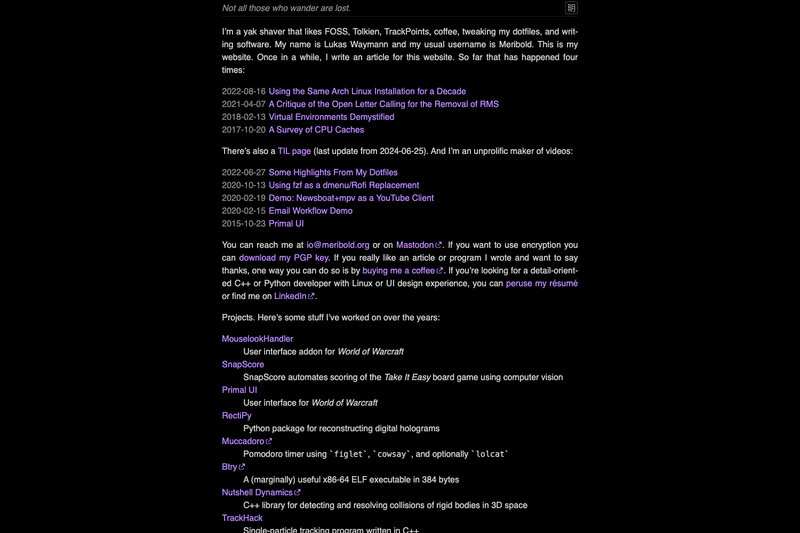
Minimal Jekyll-powered personal website and blog built with HTML, CSS, and JavaScript.
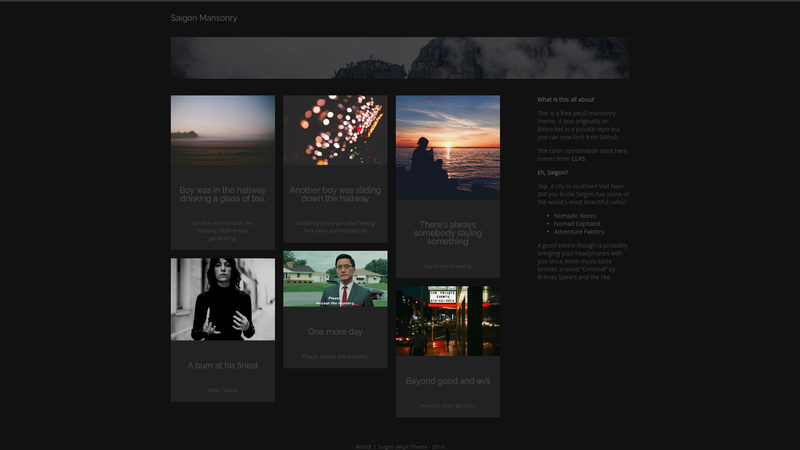
Saigon is a Jekyll masonry blog theme with a tile-based layout, based on a theme by Pasindu De Silva and colored with clrs.cc.
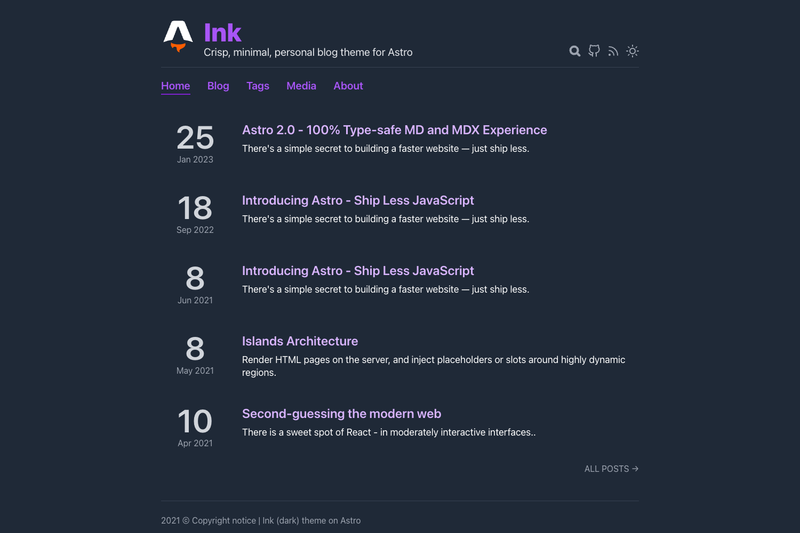
Minimal markdown-based blog theme for Astro with Tailwind CSS, dark mode, Netlify CMS, and search.
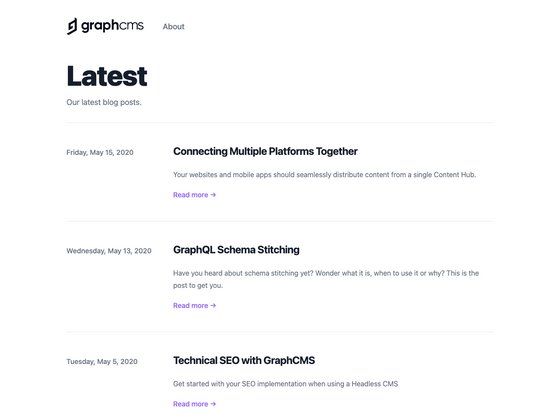
Gatsby starter for creating a basic blog with Hygraph, featuring gatsby-image, MDX, and Tailwind CSS.
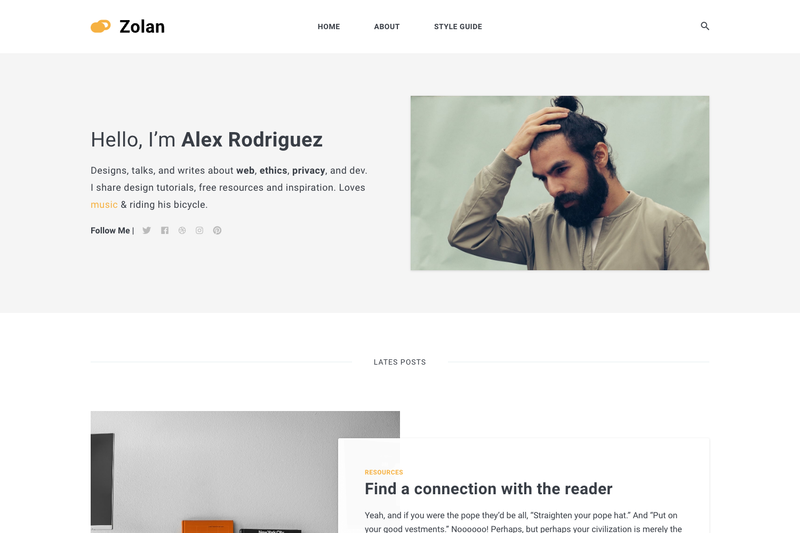
Zolan is a minimal blog theme for Jekyll, crafted by Artem Sheludko, that builds a fast, responsive static blog from markdown posts.
Zolan is a Jekyll theme focused on blogging. It takes markdown files with YAML front matter as input and outputs a static HTML5 site that is fully responsive and optimized for mobile devices. The theme is distributed under the MIT license and has 229 stars on GitHub, and is designed by Artem Sheludko, who also sells premium Jekyll themes.
_data/settings.yml to enable comments on posts.js/common.js._data/settings.yml._posts with YAML front matter for title, date, image, and tags._data/settings.yml.favicon.ico in the theme root.Zolan follows Jekyll's standard workflow. Posts are written in Markdown and placed in the _posts directory with front matter; running bundle install and then bundle exec jekyll serve starts a local server. Site-wide settings for Disqus, Instagram, and analytics are edited in _data/settings.yml. The demo is deployed on Netlify.
Yes, Zolan is released under the MIT License, so you can use it for personal or commercial projects without paying a license fee.
Clone or download the theme repository, navigate to the theme directory, run bundle install to install dependencies, and then bundle exec jekyll serve to start the development server.
Open _data/settings.yml and replace the disqus-identifier value with your Disqus shortname. Ensure your website is registered with Disqus first.
Obtain your Instagram userId and accessToken, update the values in js/common.js, then set instafeed: true in _data/settings.yml to activate the feed.
Yes, the theme imports Google Fonts and uses Ionicons. You can modify the font links in the source files or replace Ionicons with another icon set.