Newsletter
Join the Community
Subscribe to our newsletter for the latest news and updates

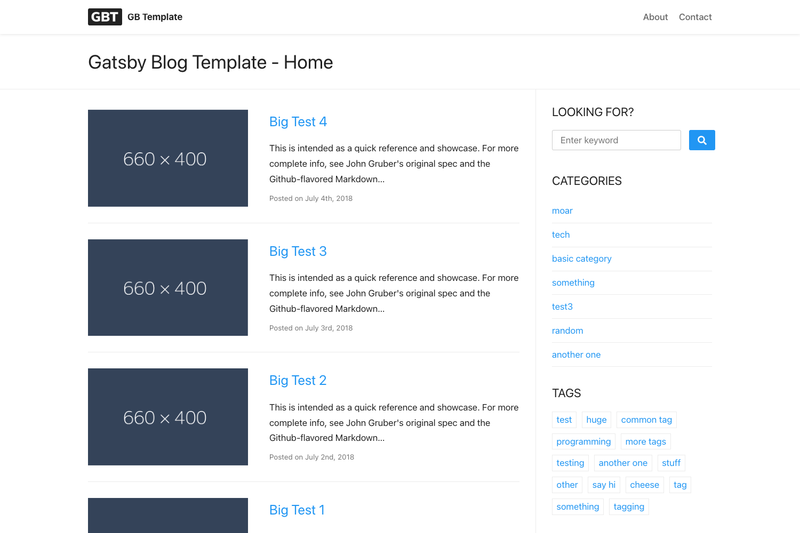
A GatsbyJS Blog Template for blogging purposes.
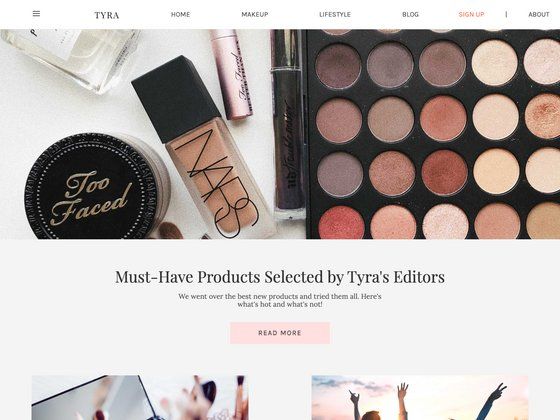
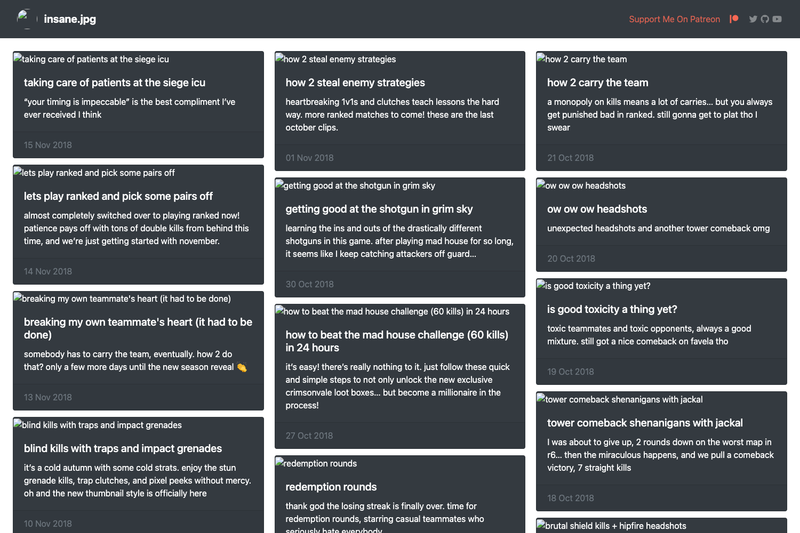
A feminine, SEO-optimized Gatsby starter for plug-and-play blogging with markdown support.
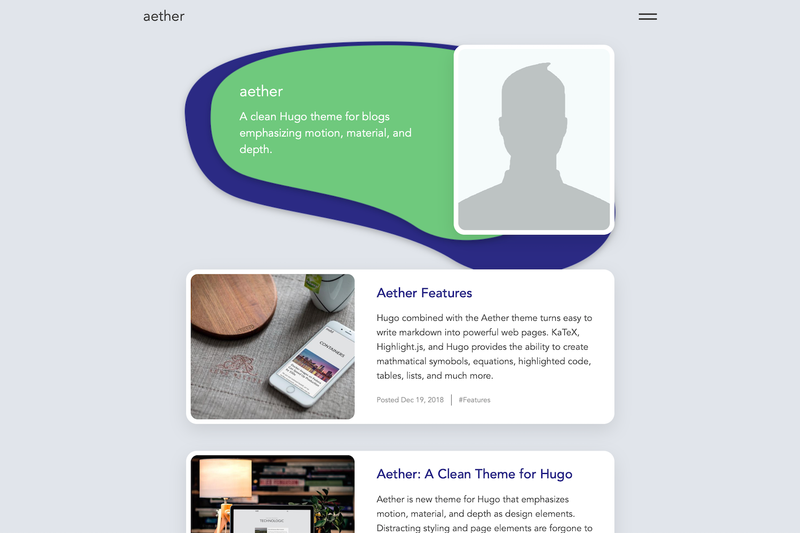
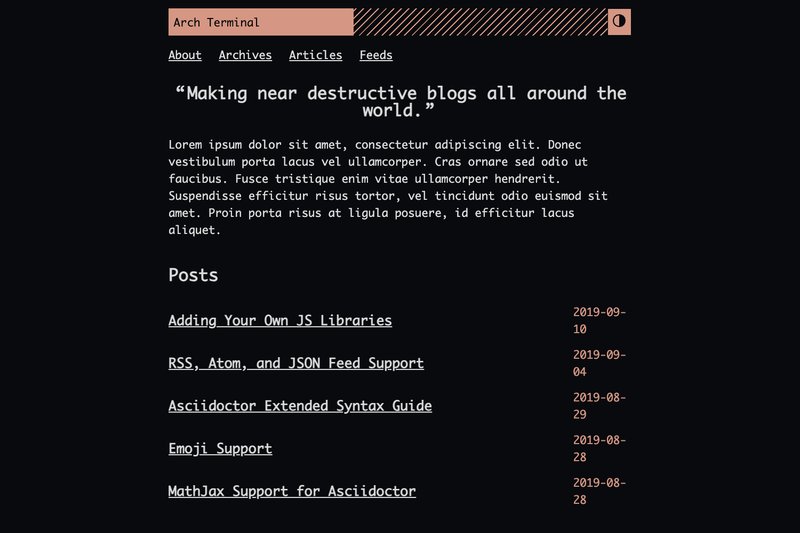
A responsive Hugo blog theme emphasizing motion, depth, and material, with WebP images, LaTeX math, and high PageSpeed scores.
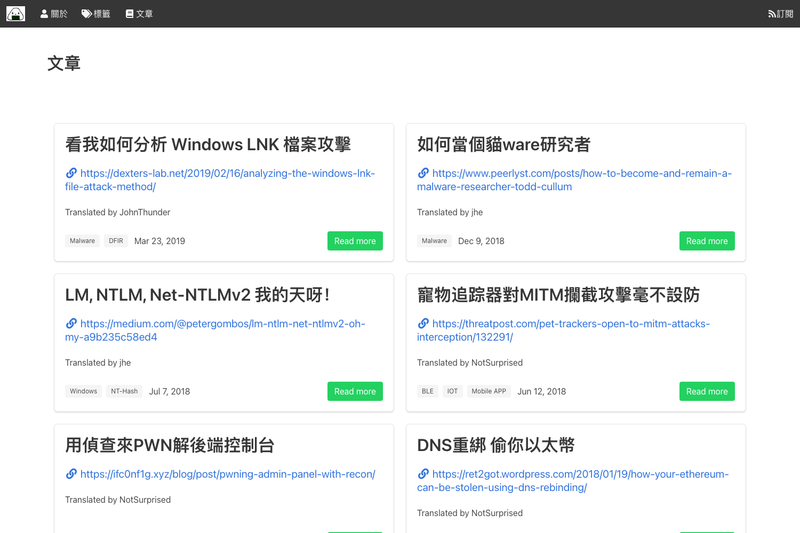
Jekyll theme for translated articles with Bulma CSS and an admin panel.
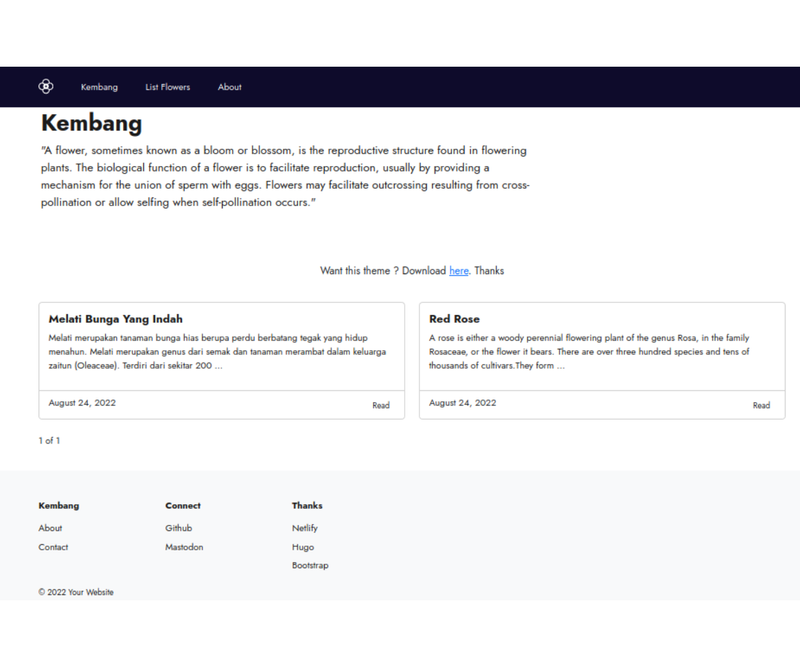
A minimal Hugo blogging theme built with Bootstrap 5.2, fully responsive, with About, Tags, and List pages.
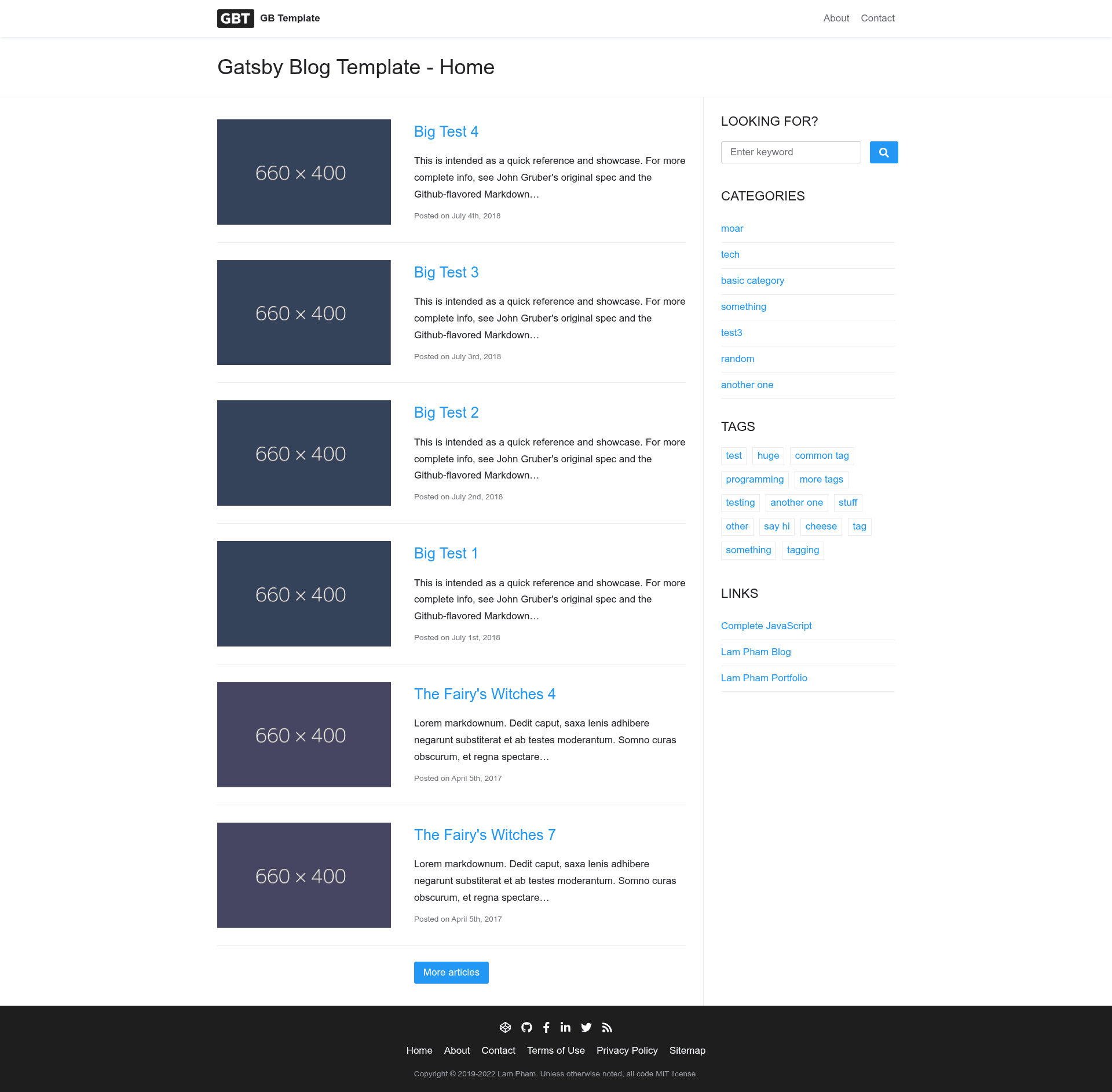
Gatsby Blog Template is an open-source GatsbyJS starter for building Markdown-driven blogs, created by Lam Pham, that bundles pagination, tags, categories, and comments out of the box.
Gatsby Blog Template is a GatsbyJS blog starter that converts Markdown posts and pages into a static blog with a homepage listing, tag and category pages, and an RSS feed. Input is Markdown files with frontmatter; output is a production-ready static site with SEO metadata, PWA manifest, and Disqus comments. The template runs on the Gatsby build system and is authored by Lam Pham under the MIT License, with a live demo deployed to Netlify (gb-template.netlify.com).
Install with gatsby new YourProjectName https://github.com/completejavascript/gatsby-blog-template, then run npm run develop and open localhost:8000. Add posts as Markdown files; Gatsby builds tag, category, and pagination pages automatically. After updating data/SiteConfig, run a production build to generate static files for any hosting service.
Yes, it is open source under the MIT License, so it is free to use and modify for personal or commercial blogs.
Run gatsby new YourProjectName https://github.com/completejavascript/gatsby-blog-template (with Gatsby installed), then npm run develop. You can also fork the repo or clone and remove the .git folder.
It provides Markdown posts and pages, tag and category pages with pagination, a load-more homepage, Prism.js highlighting, Disqus comments, an RSS feed, SEO/PWA support, and a single SiteConfig file for customization.
The template is maintained by Lam Pham (completejavascript), a software engineer in Hanoi, Vietnam. It acknowledges gatsby-advanced-starter and taniarascia.com as its foundations.