Newsletter
Join the Community
Subscribe to our newsletter for the latest news and updates

A minimalist blog template for eleventy with Netlify CMS built in
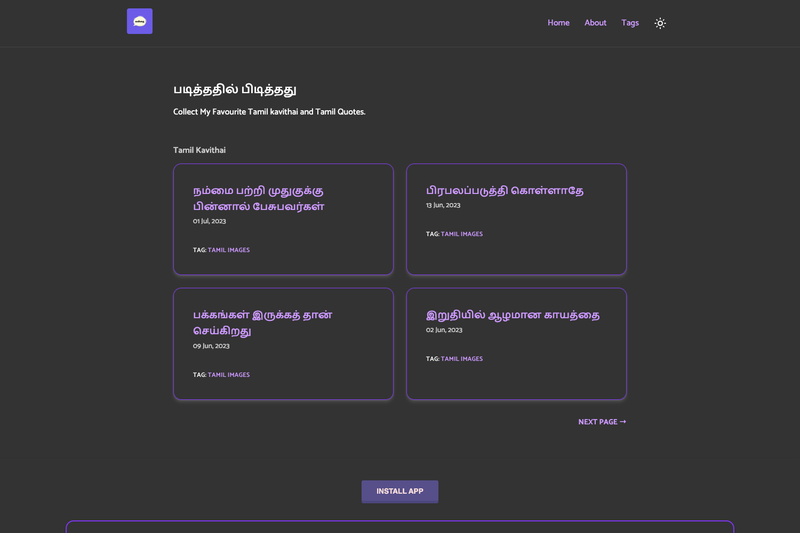
An Eleventy and Markdown blog template for collecting favourite Tamil kavithai and quotes.
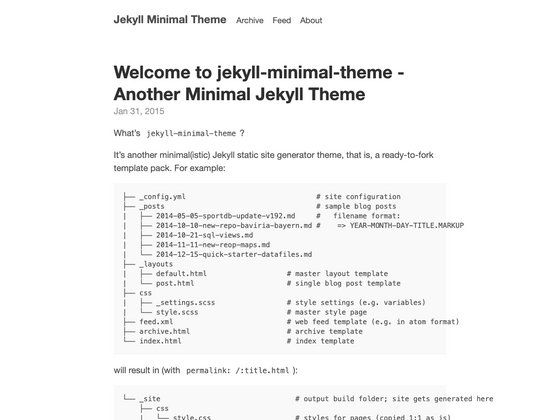
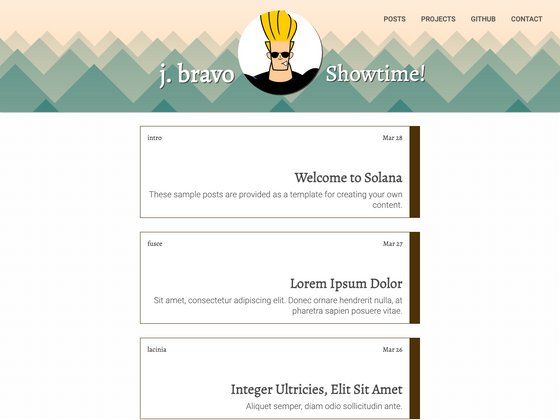
A minimal Jekyll theme for blog posts with archive and Atom feed, ready to fork.
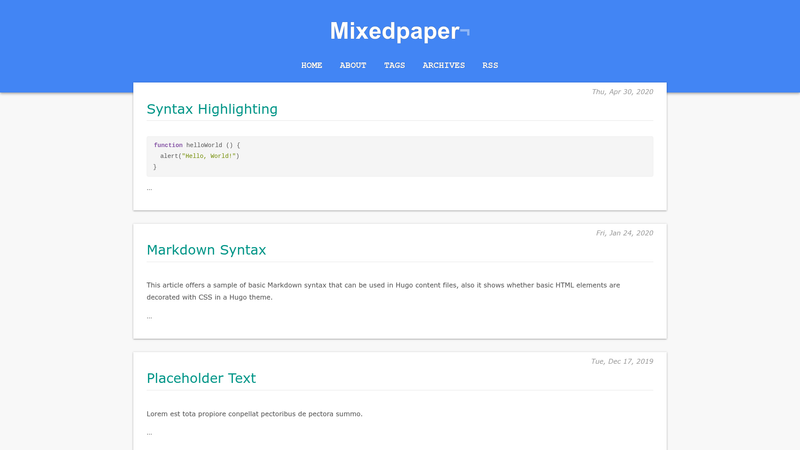
The quickest way to start and publish a Jekyll-powered blog, 100% compatible with GitHub Pages.
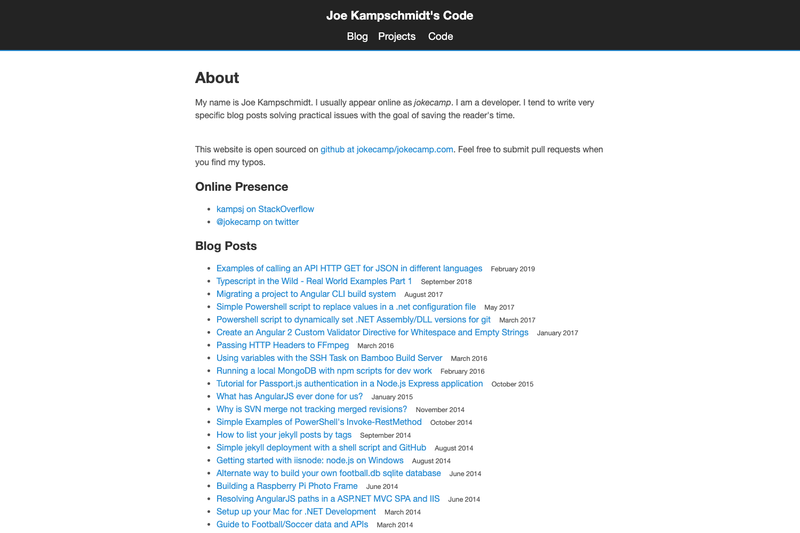
Personal blog and website built with Jekyll and Poole, publishing developer content on C#, .NET, and more.
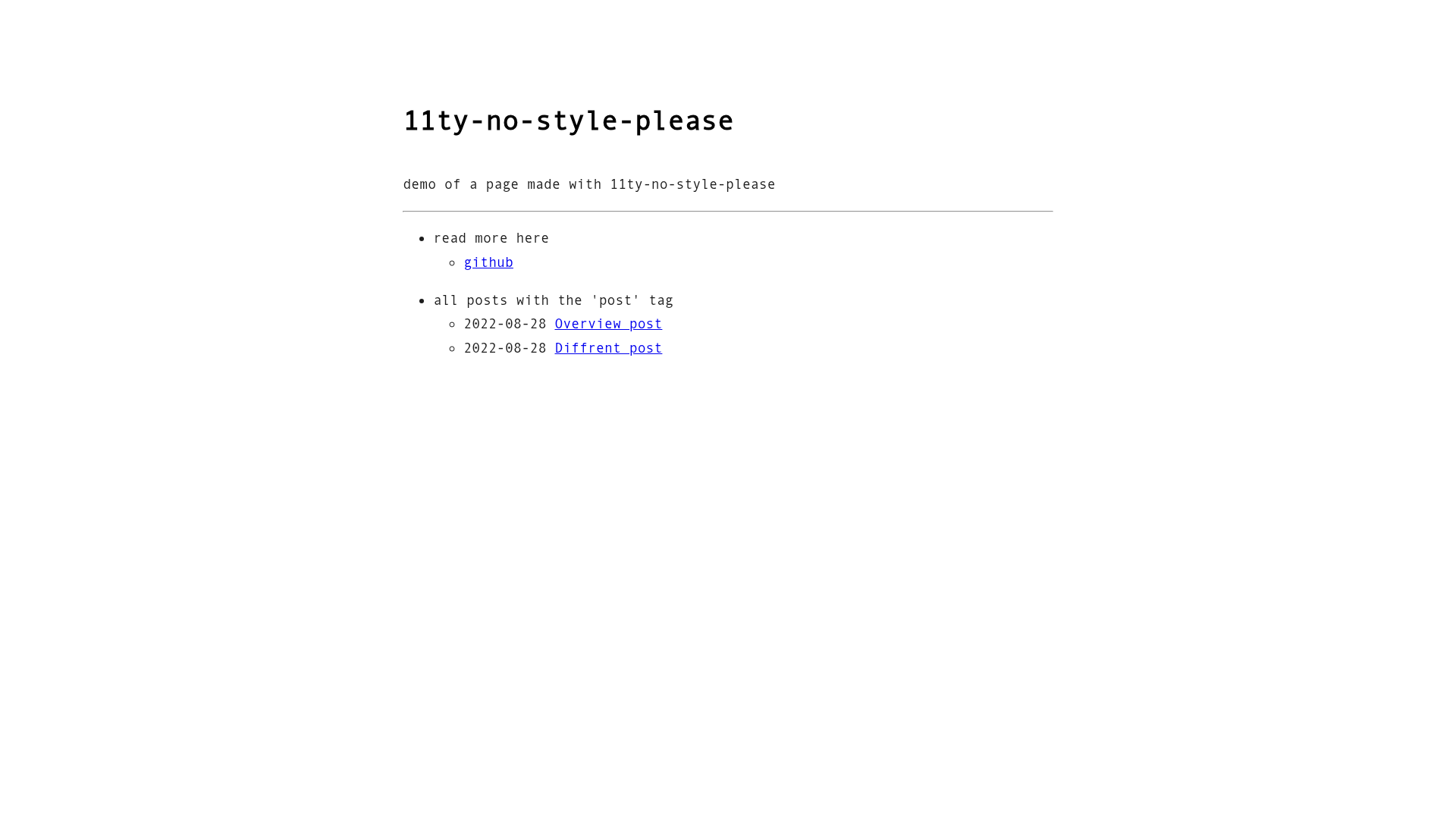
11ty-no-style-please is a minimalist blog template built on the Eleventy (11ty) static site generator with Netlify CMS pre-configured, so deploying to Netlify in one click yields a ready-to-use writing environment.
11ty-no-style-please is an open-source blog starter for Eleventy that outputs a static, responsive website from Markdown posts and JSON configuration files. It takes content written as Markdown plus settings stored in the _data folder (site.json and homepage.json) and produces a set of static files in _site when you run the build command. The template is maintained by stopnoanime on GitHub and is directly inspired by the no-style-please Jekyll theme by riggraz.
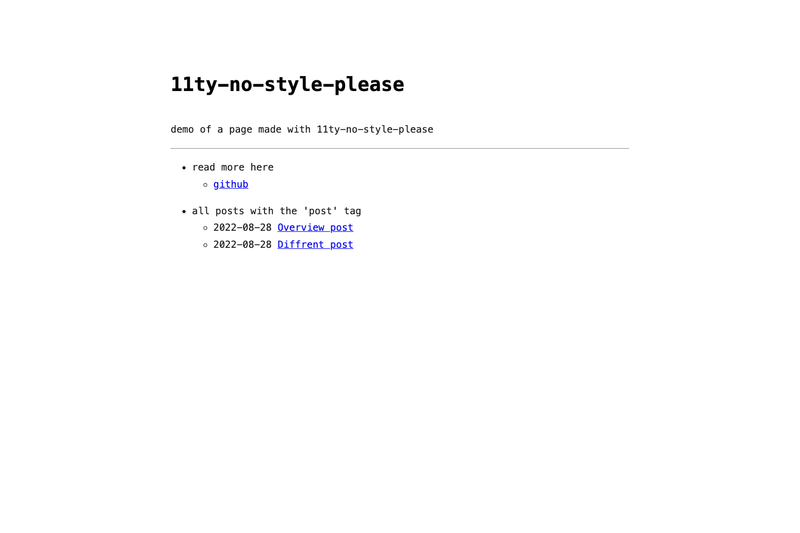
stack=cms, so a new site is created directly from the repository with the CMS connected._data folder or through the CMS at your site's /admin path.post_list property; the default menu shows a read more here section with a GitHub link plus an all posts with the 'post' tag listing.npm i installs dependencies, npm start serves the site locally, and npm run build generates the production-ready files in _site.npm start for a local dev server, and use npm run build to generate the static site for manual deployment.post_list option to automatically show all posts with a specific tag, so readers can see content grouped by topic.The simplest workflow is the Netlify deploy button: it creates a new site from the GitHub repository with the CMS enabled, and Netlify sends an invite to the email you use for the CMS. For local development, clone the repository, run npm i, then npm start to serve the site; when ready, run npm run build to output files in the _site folder and either connect the repo to Netlify for automatic deploys or copy the files to a host.
Yes, the template's source code is open on GitHub under the repository name stopnoanime/11ty-no-style-please, so there are no licensing fees for the code. Deploying to Netlify is subject to Netlify's own free or paid hosting plans.
You can edit the JSON files in the _data directory: site.json stores the default page title, global description, HTML language, back-home button text, and site URL, while homepage.json stores the homepage title, subtitle, and the menu object. The same settings can also be changed through the Netlify CMS at your site's /admin URL.
post_list property do in the menu?When a menu entry has a post_list value, it will display a nested list of every post tagged with that value. The template's default configuration includes a menu item labeled 'all posts with the post tag' to demonstrate this behavior, and you can change the tag to group your content however you like.