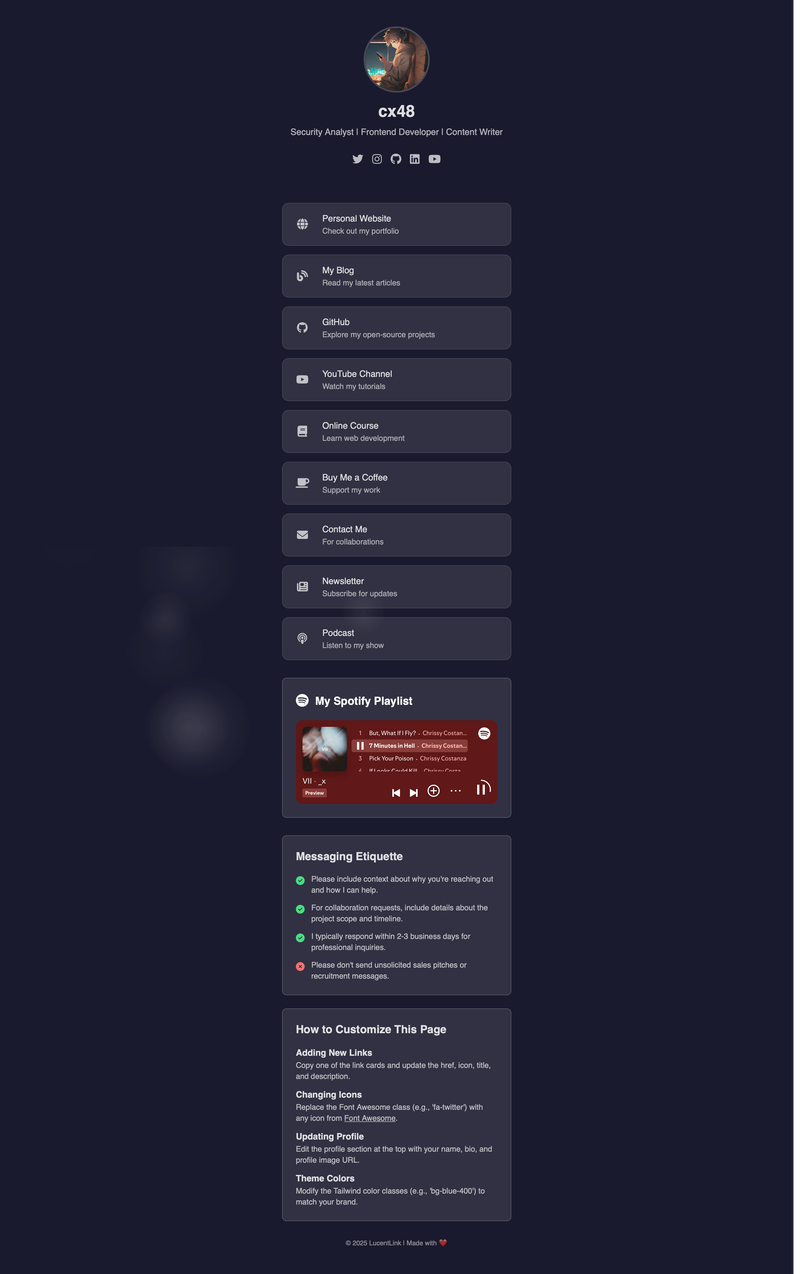
Newsletter
Join the Community
Subscribe to our newsletter for the latest news and updates

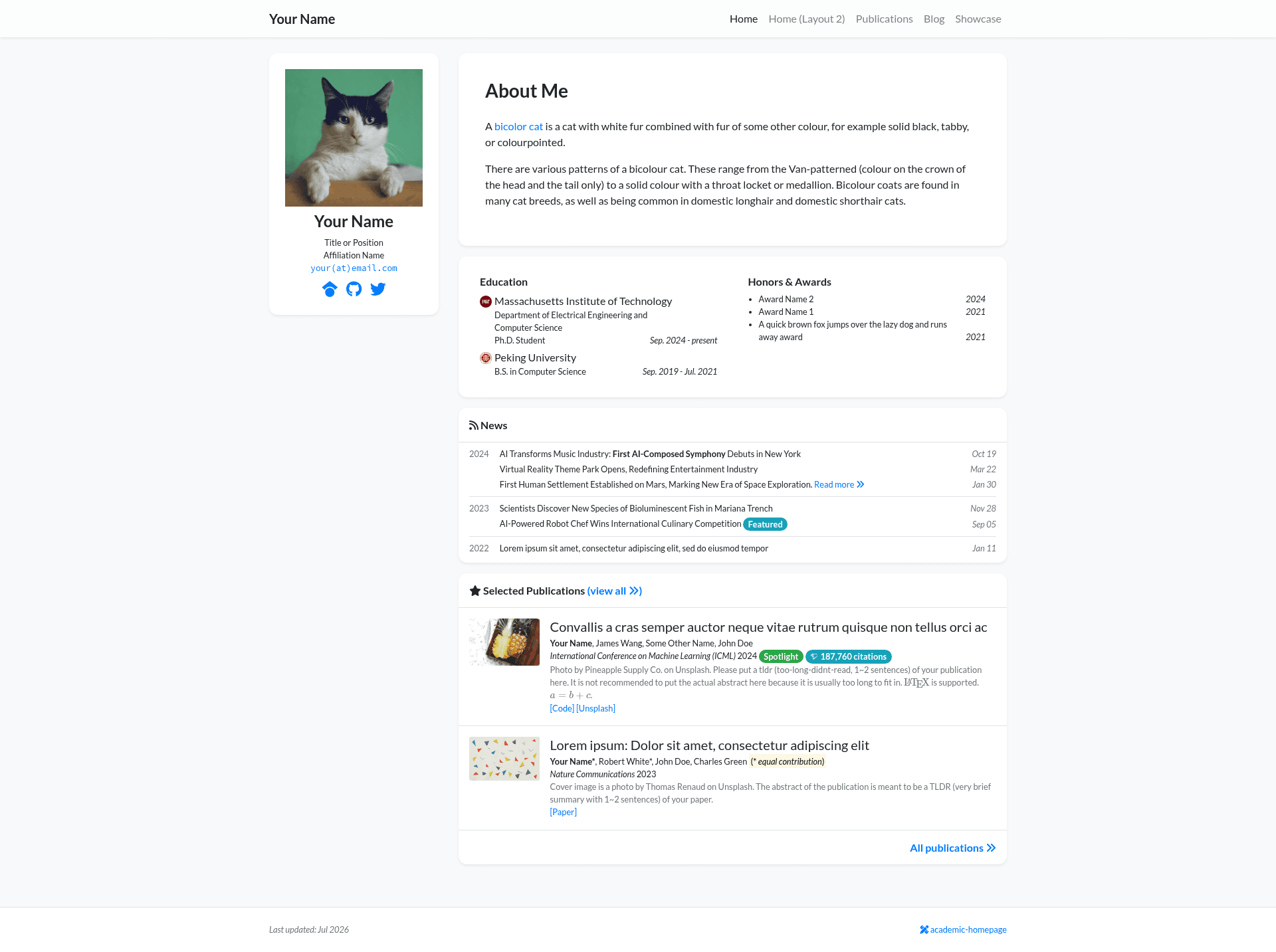
Jekyll template for building a personal academic website on GitHub Pages
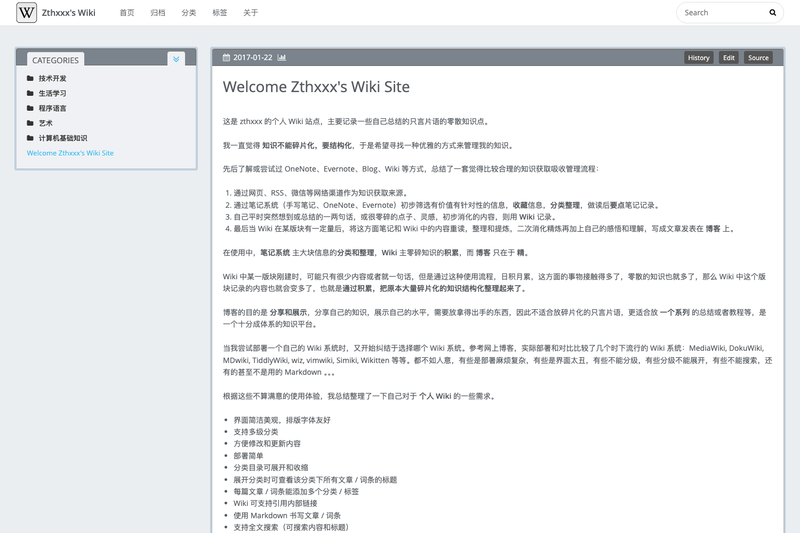
A theme of Hexo for personal wiki which seems like Wikitten style.

A personal website template for an astrophysicist, built with Next.js, Tailwind CSS, and Tailwind UI.
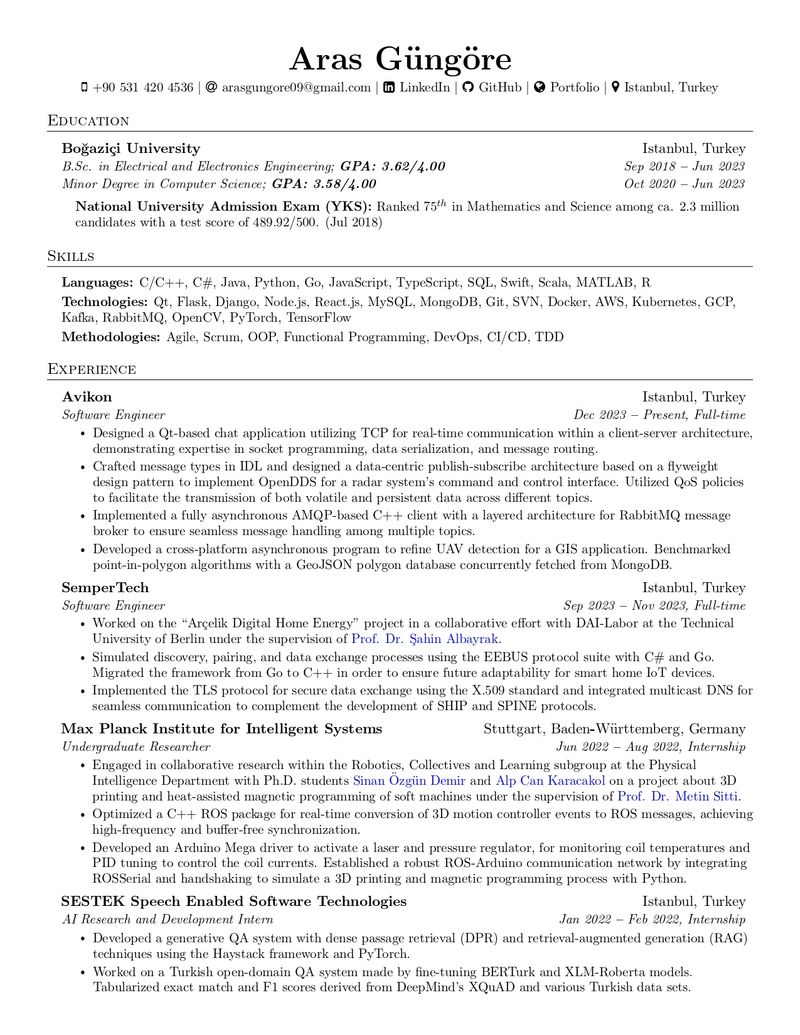
My curriculum vitae (CV) written using LaTeX.
academic-homepage is a free Jekyll template designed for building a personal academic website on GitHub Pages, turning a repository into a deployable static homepage with publication listings and custom sections.
academic-homepage is a GitHub Pages (Jekyll) template for creating a personal academic website. It takes a repository created from the template and produces a static website hosted on GitHub Pages, with support for publications, news, and customization. The template is maintained by luost26 and is available on GitHub with over 680 stars. A live demo is available at luost26.github.io/academic-homepage.
The template is used by clicking "Use this template" on the GitHub repository to create a new repo that must be named your-username.github.io for GitHub Pages hosting. For local development, the README instructs you to install Jekyll, clone the repo, and run bundle exec jekyll serve to preview the site at a local URL. After pushing changes to GitHub, the pages-build-deployment workflow automatically rebuilds the site.
The template is open source and hosted on GitHub, and it is intended for use with free GitHub Pages hosting. There is no pricing information on the repository, and it can be copied directly from the "Use this template" button.
The README links to a specific issue thread that describes adding a blog feature, and includes a contributed implementation from user-based customization. By following that guide, you can add a blog page to the Jekyll site.
The FAQ section of the repository points to an issue comment that explains how to display citation counts. The method integrates citation data into the publication listing on the homepage.
For a user site, the repository must be named your-username.github.io, as documented in the GitHub Pages guide linked from the README. This naming convention allows the website to be published at that URL.
Yes, the README provides instructions to install Jekyll and run bundle exec jekyll serve in the repository root, which serves the site locally at the URL shown in the terminal.