
Template details
Blogster
Four beautiful, accessible Astro blog templates with dark mode, RSS, and perfect Lighthouse scores.
About this template
Blogster is a collection of four open-source blog templates built with the Astro static site generator and Markdoc, created by Dinesh Pandiyan to deliver perfect Lighthouse scores and fast markdown-based content authoring.
What is Blogster?
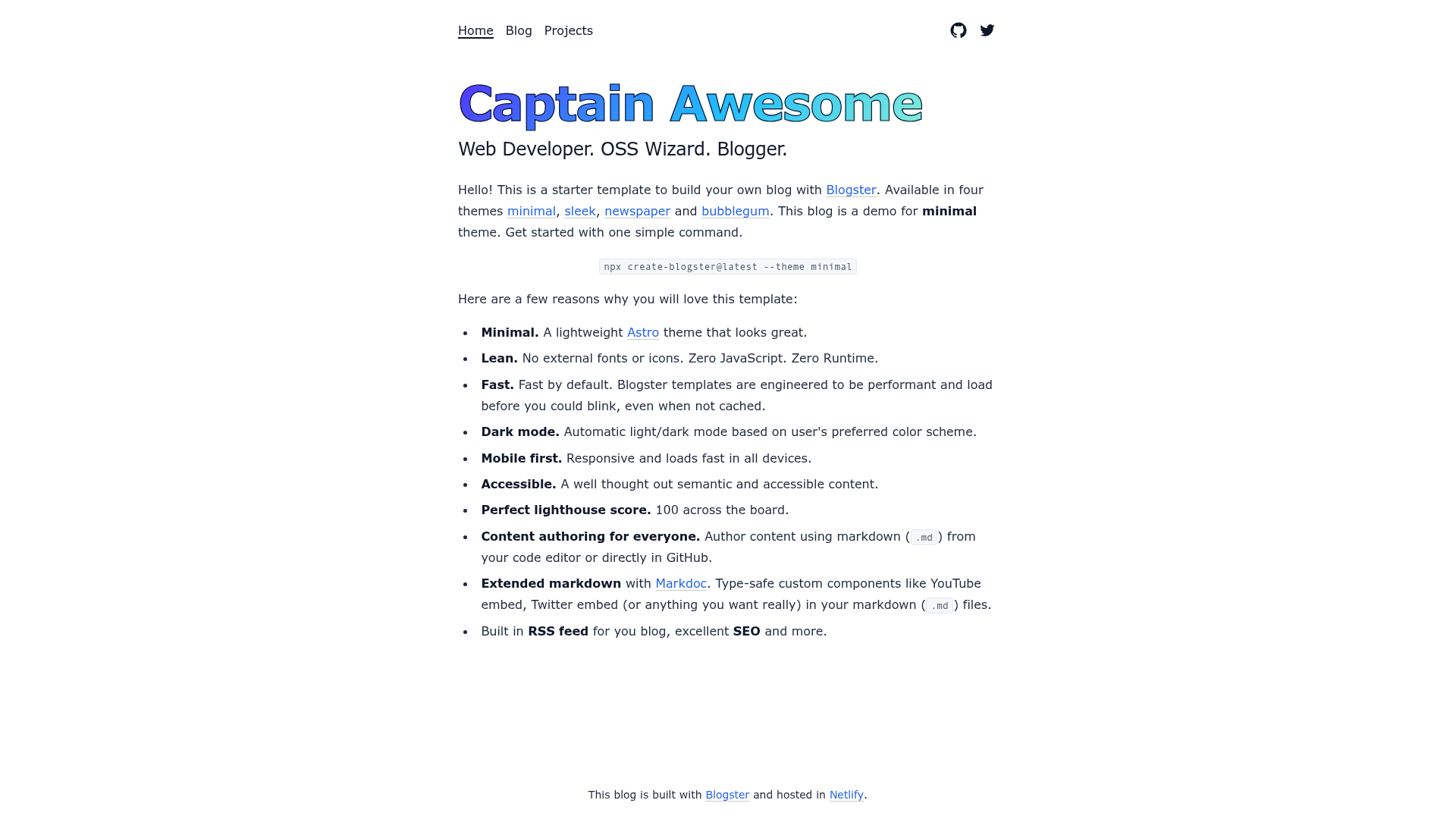
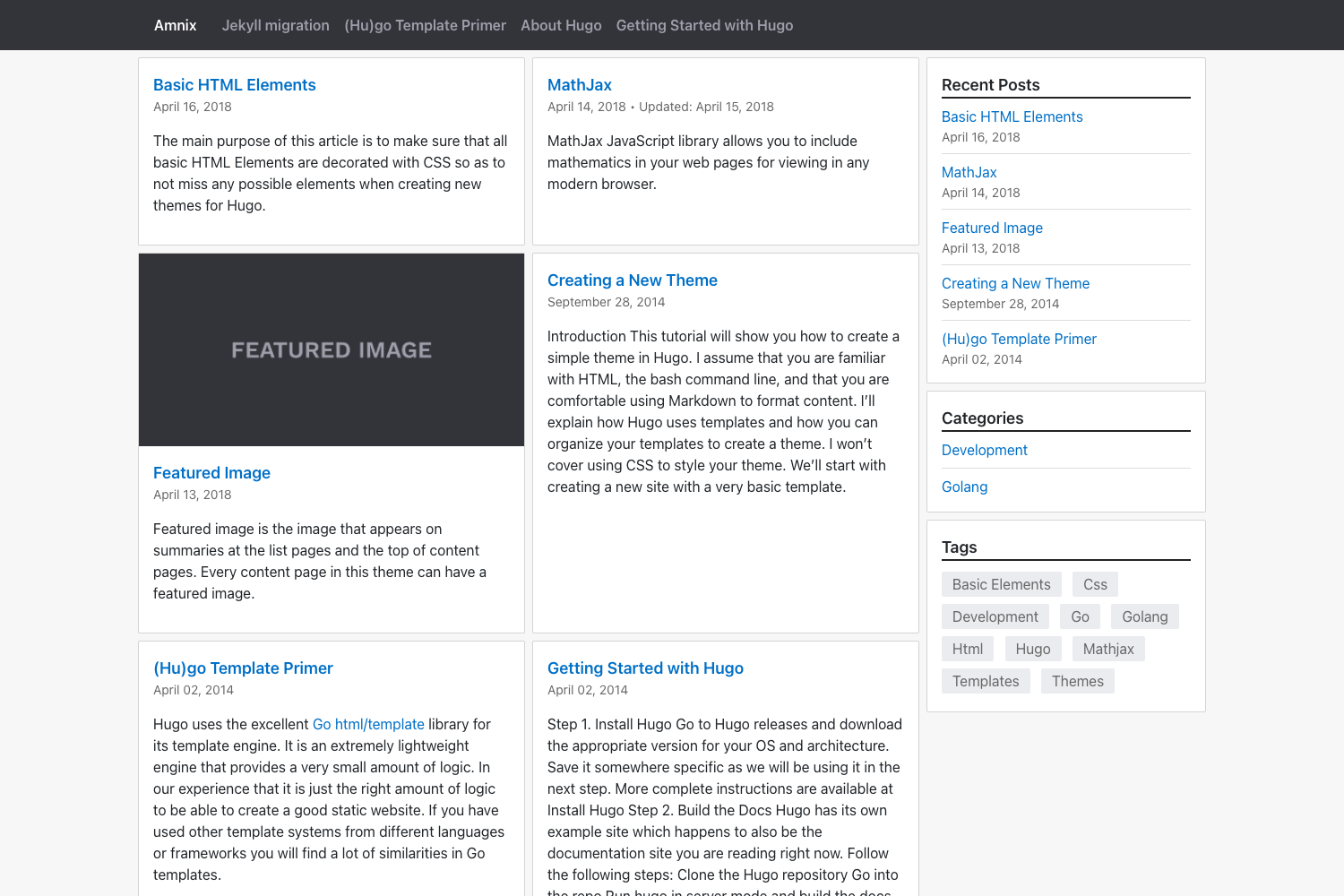
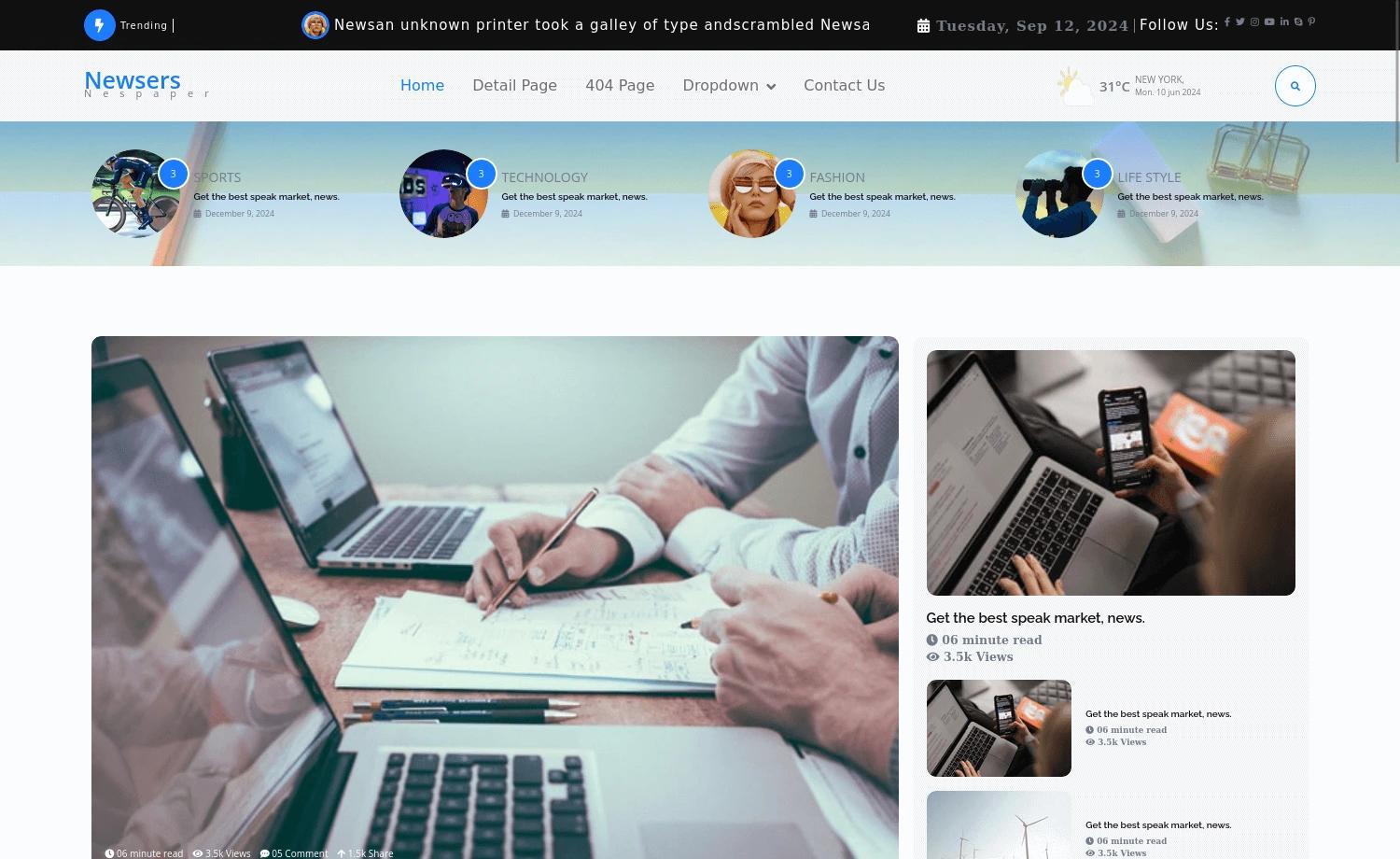
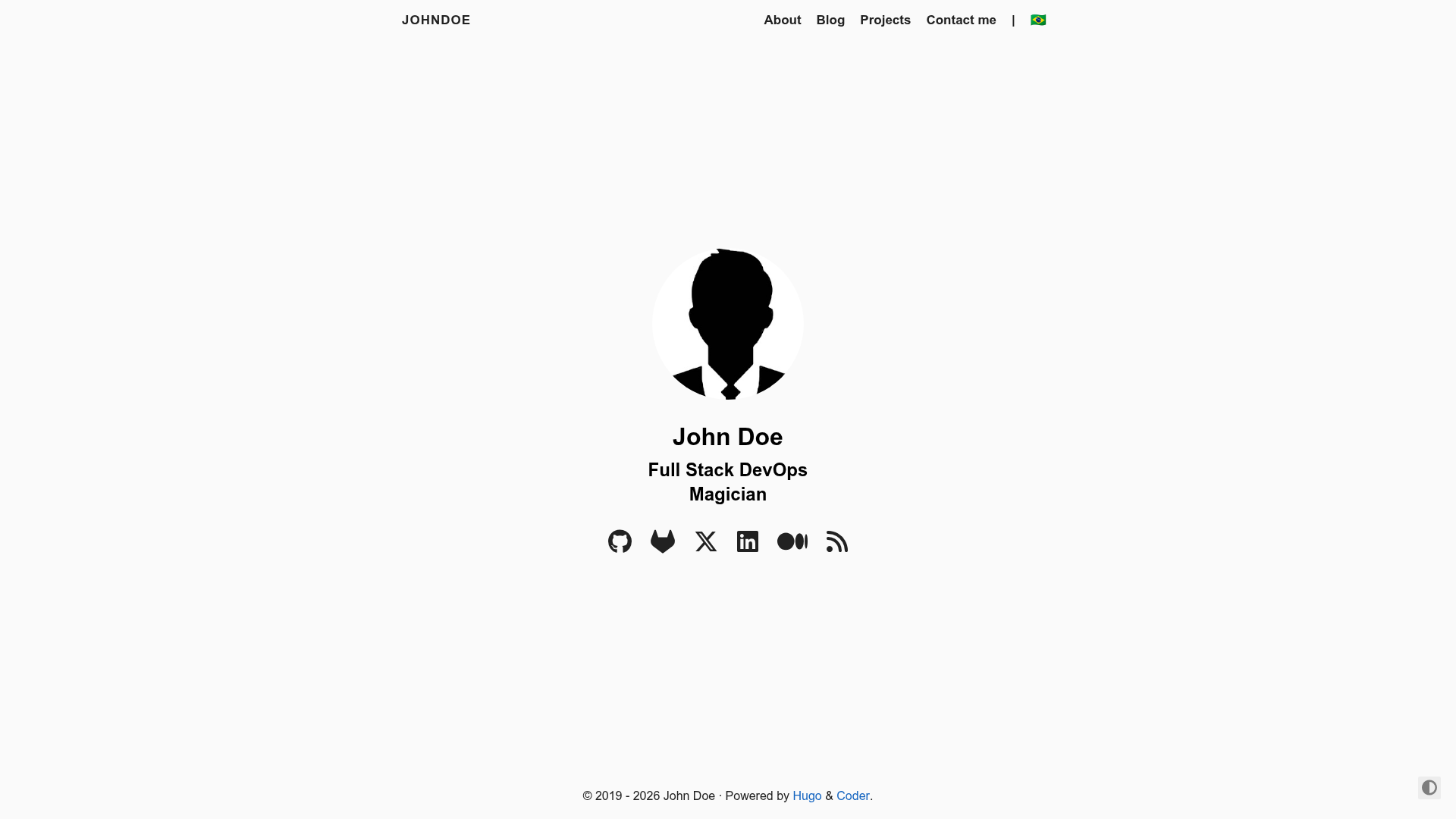
Blogster is a GitHub project offering four blog theme variants — Minimal, Sleek, Newspaper, and Bubblegum — each built with Astro and styled either with plain CSS or Tailwind CSS. The templates take markdown (.md) files as input and output a static blog with RSS feed, SEO meta tags, and built-in light/dark mode. Blogster is in alpha preview and the author states it will not receive future updates because Astro has since released first-party content collections; the repository remains as a reference for font loading, meta tags, and Astro best practices.
Key Features
- Perfect Lighthouse scores — All four themes advertise a 100 score across performance, accessibility, best practices, and SEO.
- Dark mode — Every theme ships with light and dark mode built in.
- Markdoc integration — Type-safe custom components such as YouTube embeds or Twitter embeds can be inserted into markdown files using Markdoc's special syntax, without writing JSX in content.
- Easy content authoring — Write posts in
.mdfiles from a code editor or directly on GitHub, with no CMS required. - RSS and SEO — Each template includes a built-in RSS feed and optimized meta tags.
- Zero-JavaScript Minimal theme — The Minimal variant uses plain HTML and CSS, with no external fonts, icons, or client-side JavaScript.
- Tailwind-based themes — Sleek, Newspaper, and Bubblegum use Tailwind CSS for styling.
- Mobile-first responsive design — All templates are responsive and load fast on all devices.
Who is it for?
- Developers who want a fast blog starter — Run
npx create-blogster@latest --theme name(where name is minimal, sleek, newspaper, or bubblegum) to scaffold a new Astro blog and immediately write markdown posts. - Writers who care about visual variety — Choose from four distinct layouts: Minimal, Sleek, Newspaper, and Bubblegum, each with dark mode and a claimed Lighthouse score of 100.
- Developers seeking reference implementations — Since Blogster is no longer maintained, it serves as a practical reference for font loading strategies, meta tag setups, and other Astro website best practices.
What can you do with Blogster?
- Indie bloggers: publish a markdown-driven blog with RSS and SEO in minutes using the create-blogster command-line tool.
- Content site builders: leverage Markdoc to embed custom components like YouTube videos or Twitter posts directly inside markdown, keeping content stored as plain text rather than code.
- Theme evaluators: compare four Astro theme designs, from a zero-JS minimal layout to a Tailwind-based newspaper layout, all with built-in light and dark mode.
How does Blogster work?
Blogster uses npx create-blogster@latest --theme themeName to generate a new Astro project with the selected theme. Content is written as markdown files, and Markdoc renders any custom components using its syntax. Because Astro is a static site generator, the output is a set of pre-built HTML pages that can be deployed to any static host.
Pros and cons
Pros: Perfect Lighthouse scores across all themes; dark mode included; multiple theme designs; markdown content authoring; RSS and SEO out of the box; free and open source under the MIT license.
Cons: No longer actively maintained; built before Astro's content collections, so it does not use that modern API; only four theme options.
Pricing
Blogster is completely free and open source under the MIT License.
FAQ
Is Blogster free?
Yes, Blogster is free and open source under the MIT License. You can use all four themes without paying anything.
Does Blogster support dark mode?
Yes, all four Blogster themes include built-in light and dark mode toggles. The dark mode is implemented with CSS and works on both mobile and desktop.
Why does Blogster use Markdoc instead of MDX?
Blogster uses Markdoc to keep content as plain text rather than code. Markdoc allows custom components like YouTube embeds with a special syntax and lets you pass content as strings, whereas MDX stores content as code with imports and JSX, which leaks code into markdown files.
Is Blogster still maintained?
No. Blogster was built before Astro released content collections and will not receive updates. The author left it as a reference implementation for font loading, meta tags, and other Astro best practices.