Newsletter
Join the Community
Subscribe to our newsletter for the latest news and updates

The official minimal Astro starter with a single index page — a blank slate for static sites.
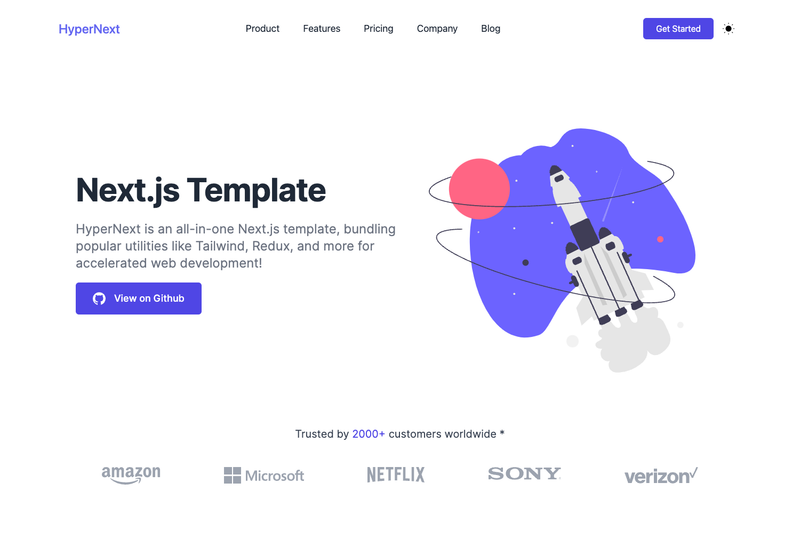
A Next.js boilerplate template with Tailwind CSS and PostCSS preconfigured for out-of-the-box development.
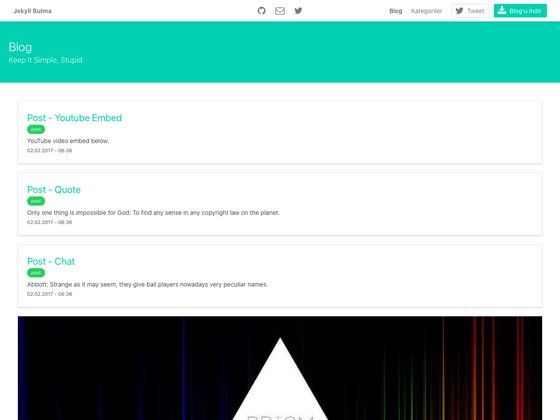
A Jekyll theme using the Bulma CSS framework for building responsive, static websites and portfolios.
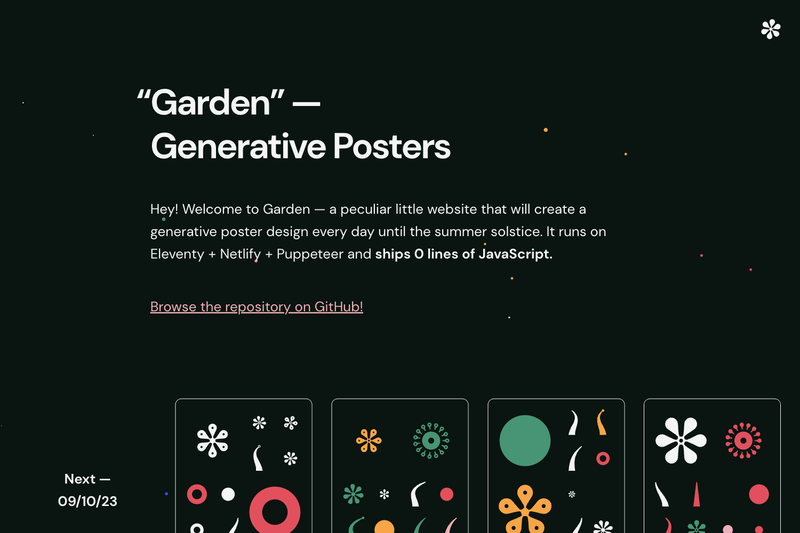
A peculiar little website that uses Eleventy + Netlify + Puppeteer to create generative poster designs
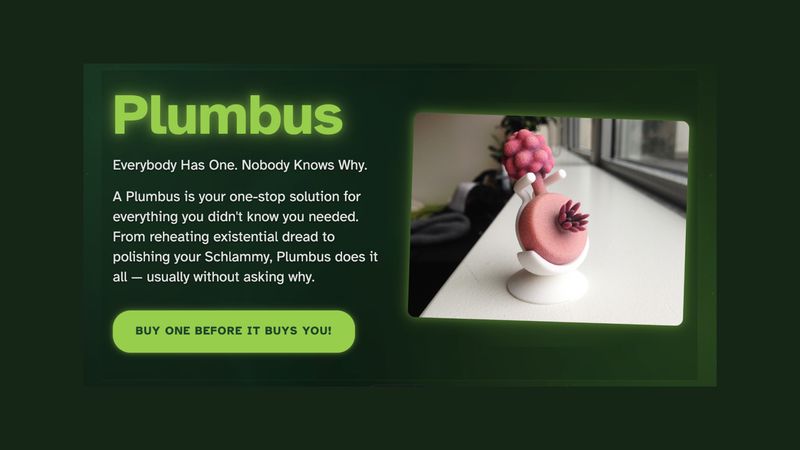
An Astro-powered landing page with cosmic animations, JSON content management, and MDX blog support.
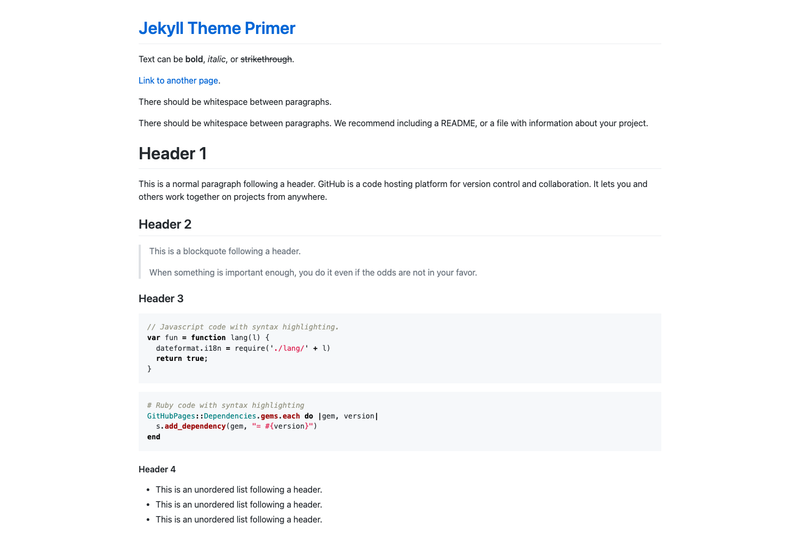
Primer is a Jekyll theme for GitHub Pages.
The Astro Starter Kit: Minimal is the official scaffold for the Astro framework, providing a single index.astro page and the smallest file set needed to start a static site. Published by the Astro team in the withastro/astro repository, it is intended as a blank slate for developers who want to build a site without any preset structure, styling, or sample content.
The Astro Starter Kit: Minimal is a bare-bones Astro project template that creates a functional one-page site with no extra UI, styling, or content. It takes a project name and outputs a directory containing only public/, src/pages/index.astro, and package.json. It runs on the Astro static-site build system, which compiles .astro and .md files from the pages directory into static HTML during the build step.
After installation, npm install pulls the dependencies and npm run dev starts the development server at localhost:4321. Changes to src/pages/index.astro are reflected via hot reload. Running npm run build generates the final static site in ./dist/, which can be previewed with npm run preview before deployment.
Run npm create astro@latest -- --template minimal in your terminal, then npm install and npm run dev. This is the official install command shown in the README.
The development server runs at localhost:4321, as stated in the built-in commands table.
No. The minimal starter ships only the Astro core with no styling system, component library, or integrations. You can add them later with astro add.
Yes. npm run build creates the production site in ./dist/, and npm run preview lets you test that build locally. The output is plain static HTML that can be deployed anywhere.
Images go in the public/ folder, where they are served as-is at the root path. The README explicitly states that any static asset can be placed there.