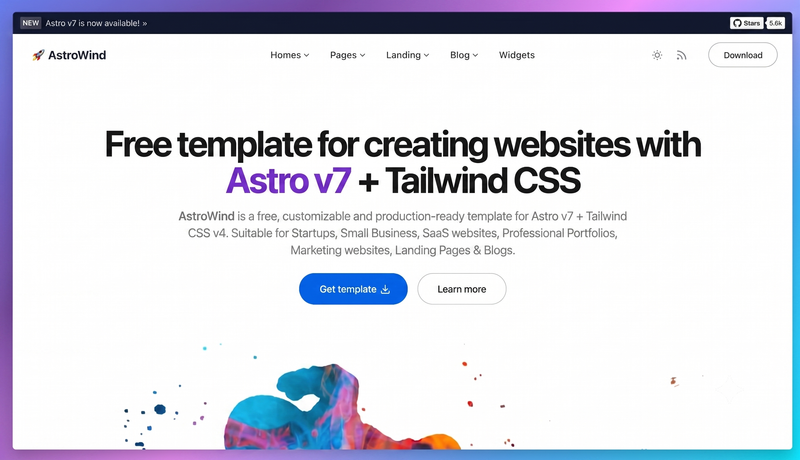
AstroWind is a free, open-source Astro v7 and Tailwind CSS v4 starter theme for building fast marketing sites, landing pages, and blogs with production-ready performance.
What is AstroWind?
AstroWind is a free, open-source website template built on Astro v7 with Tailwind CSS v4 for styling, created by Arthelokyo and maintained by a community of contributors. It takes a project scaffold with pre-configured folders, layouts, and components and produces a static website with a blog, RSS feed, sitemap, and Open Graph meta tags as output. The template runs on the Astro static-site generator and includes MDX support, image optimization, dark mode, and RTL.
Key Features
- PageSpeed-ready — configured to hit production-ready scores in PageSpeed Insights reports.
- Tailwind CSS v4 with dark mode and RTL — styling uses a CSS-first approach with @theme tokens in src/assets/styles/tailwind.css; dark mode and right-to-left text direction are built in.
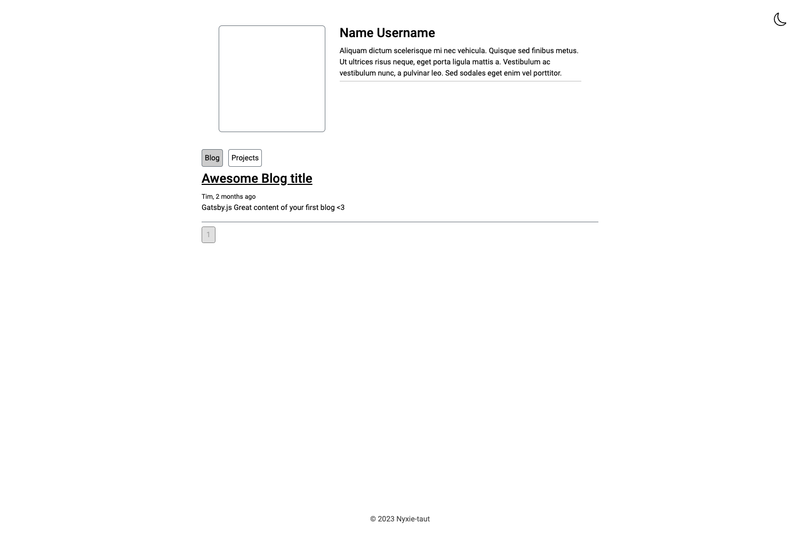
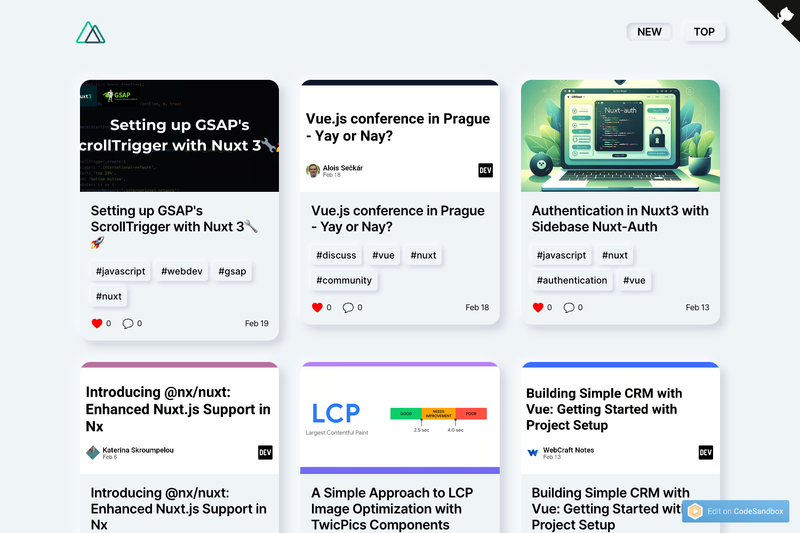
- SEO-friendly blog — supports Markdown and MDX posts, categories and tags, automatic RSS feed, social share, and configurable related posts widgets.
- Image optimization — uses Astro Assets and Unpic for universal image CDN delivery.
- Sitemap generation — automatically creates a project sitemap from your routes.
- Open Graph tags — generates social-sharing metadata, configurable in src/config.yaml.
- Analytics integrations — built-in Google Analytics and Splitbee, toggled via the apps.analytics.vendors config.
- Widget-based layout — components live in src/components/widgets (Header, Footer, etc.) so pages can be composed without deep layout files.
Who is it for?
- Web developers — who want a pre-configured Astro + Tailwind starter with SEO defaults and a blog engine so they can focus on custom features.
- Agencies and freelancers — building marketing sites for clients who need fast static output and deployment to Netlify, Vercel, or PandaStack.
- Bloggers — who want an SEO-friendly blog with categories, tags, RSS, and related posts without building the plumbing themselves.
What can you do with AstroWind?
- Create a blog — write posts in Markdown or MDX under src/data/post/, enable categories and tags in config.yaml, and get pagination, RSS, and social share automatically.
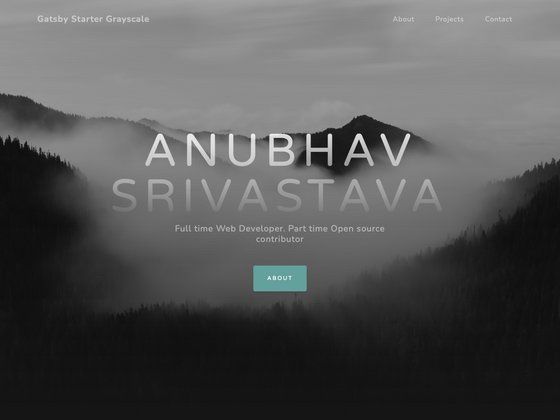
- Build a landing page — customize the widget-based homepage in src/pages/index.astro and adjust SEO metadata and Open Graph images in src/config.yaml.
- Deploy to static hosting — run npm run build to output a dist folder deployable to Netlify, Vercel, or PandaStack via one-click buttons.
How does AstroWind work?
Create a new project from the template with npm create astro@latest -- --template arthelokyo/astrowind. Then edit src/config.yaml to set site metadata, blog settings, and analytics. Use npm run dev for local development at localhost:4321, npm run build for the production build, and npm run preview to test the build before deploying.
Pros and cons
- Pro: Very little vanilla JavaScript — base functionality is included so developers can add React, Vue, Svelte, or Solid JS components as needed.
- Pro: Free and open-source under the MIT license.
- Con: Requires Node.js 22.12.0 or newer.
- Con: The template uses output static, but the blog only works with prerender = true.
Pricing
AstroWind is free and open-source under the MIT license, with no paid tier or subscription required.