Newsletter
Join the Community
Subscribe to our newsletter for the latest news and updates

Responsive Blog Template in HTML, CSS, and JavaScript
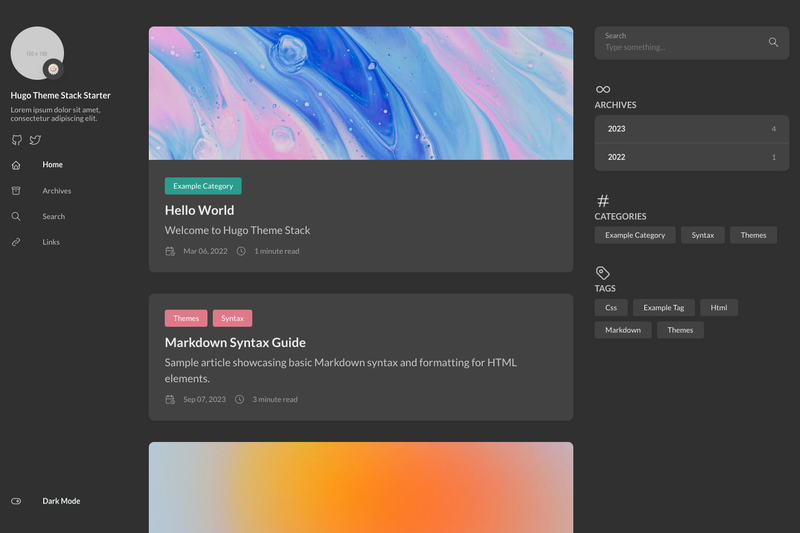
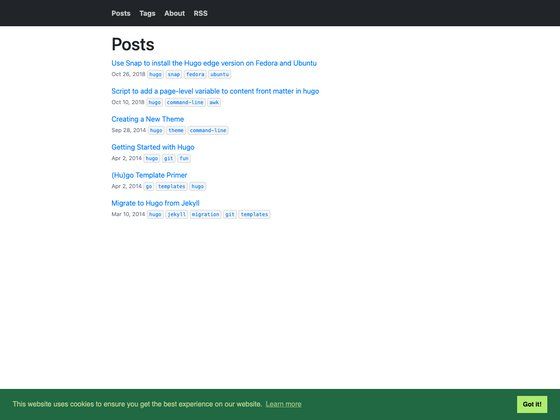
A quickstart template to create a Hugo blog using hugo-theme-stack

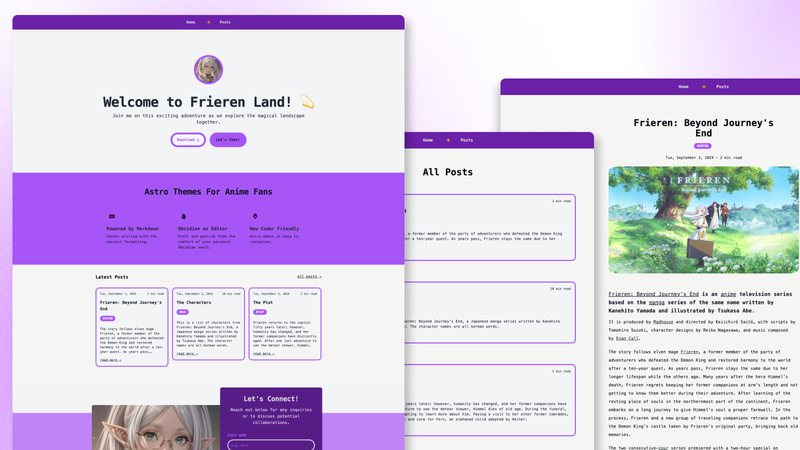
A minimalist, fast blog theme built with Astro, Tailwind CSS, and the Flexoki color palette.
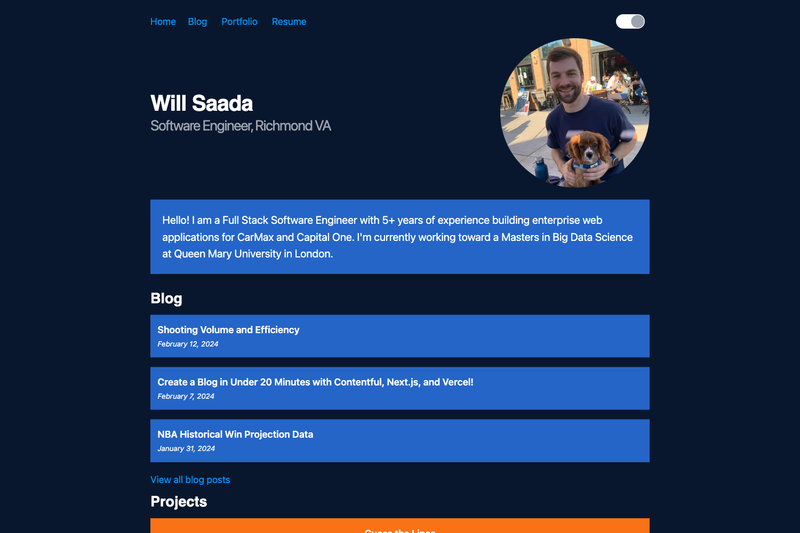
A blog built using Next.js, Tailwind CSS, and Contentful CMS.
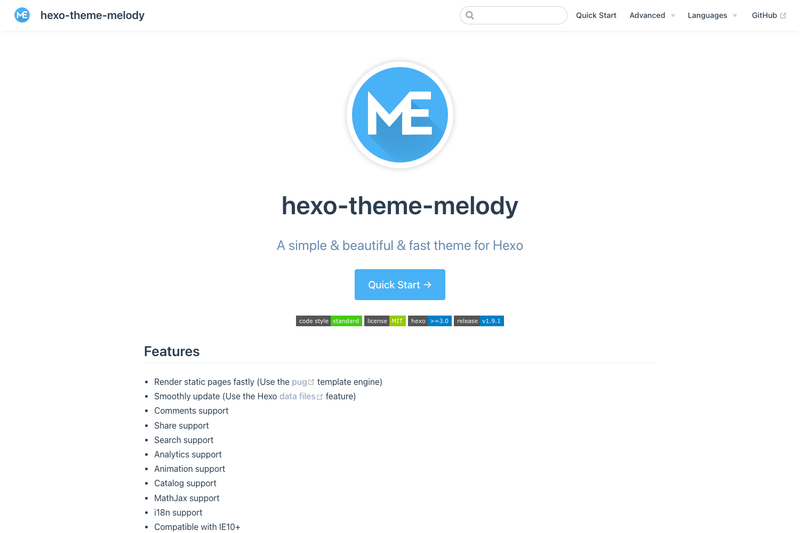
A simple, beautiful, and fast Hexo blog theme with support for comments, search, analytics, MathJax, and more.
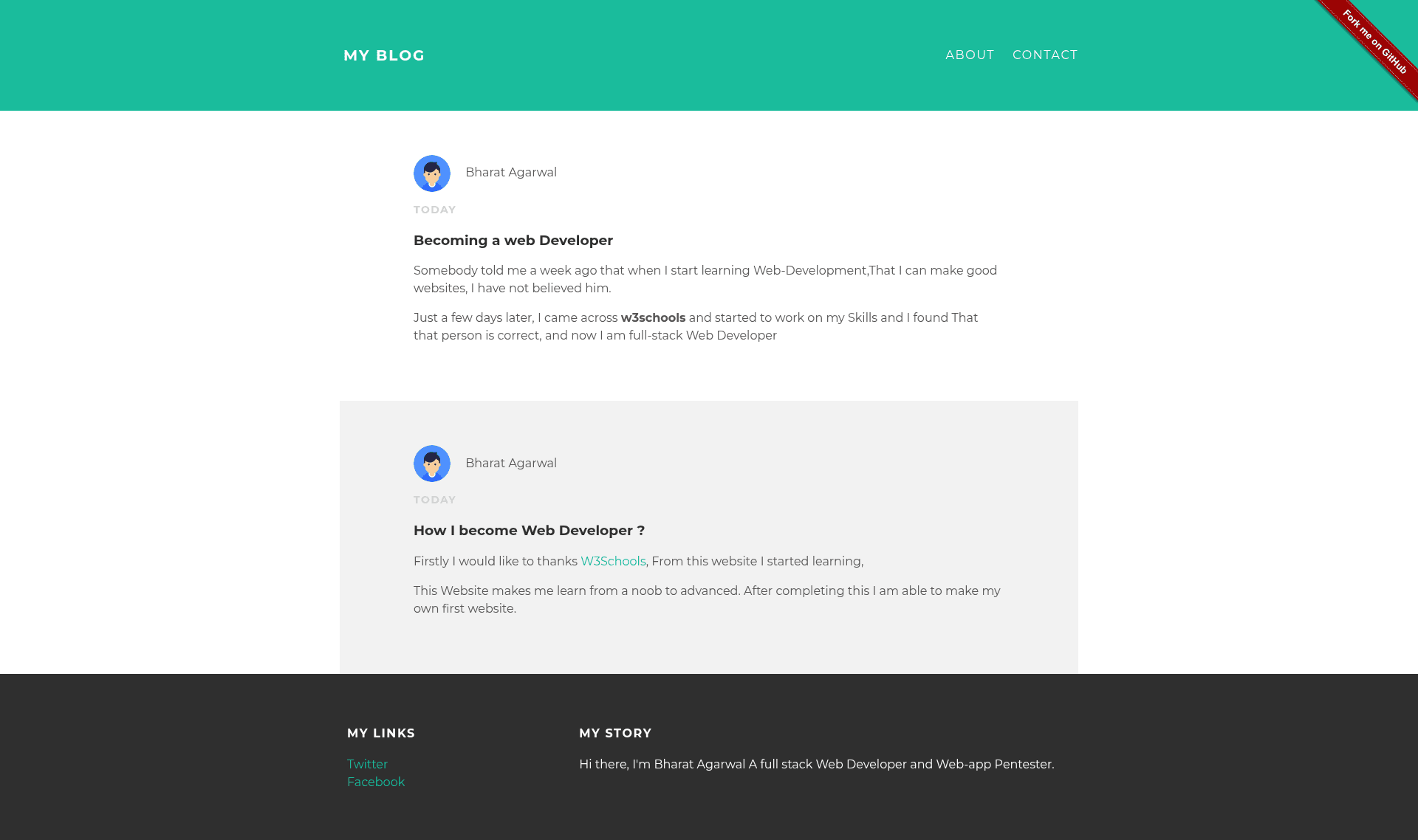
Blog Template is a free, ready-to-use responsive blog template built with plain HTML, CSS, and JavaScript, created by Bharat (bharatagsrwal) and published as an open-source GitHub project.
Blog Template is a complete, ready-to-use responsive blog template implemented in HTML, CSS, and JavaScript. It is a static website layout that you can download or fork, customize, and host anywhere. The template is live online at https://blogtemplate.iambharat.me/, where you can preview the default blog design before using it. It was created and is maintained by Bharat (bharatagsrwal), who also provides contact through Facebook, Twitter, LinkedIn, and a personal website.
The template is freely available in a public GitHub repository, and the live demo is free to view online. No pricing tiers or paid plans are mentioned.
Yes. The full code is in a public GitHub repository and the live demo at https://blogtemplate.iambharat.me/ is free to visit. No sign-up, licensing fee, or paid plan is required.
It uses plain HTML, CSS, and JavaScript. There is no Node.js dependency, no bundler, and no front-end framework, so you can open the HTML file directly in a browser or host the folder on any static file server.
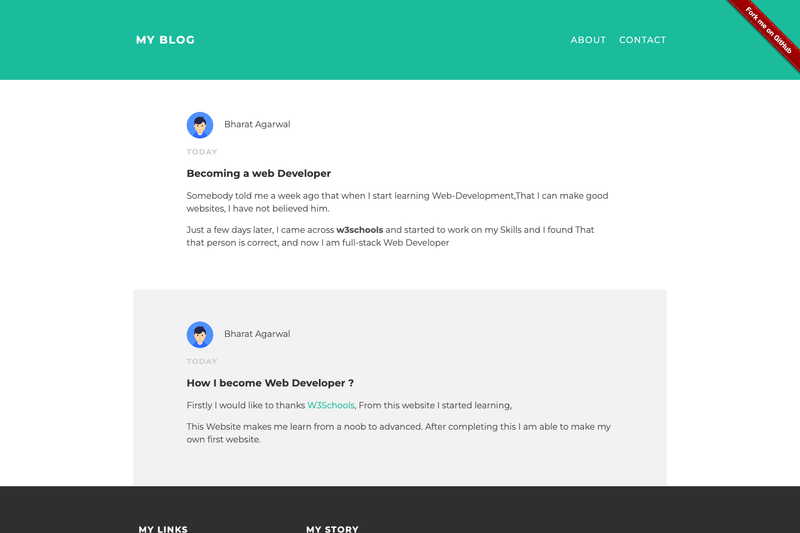
Yes, the template is described as completely responsive. The author included separate screenshots for desktop and mobile viewports to demonstrate that the layout changes appropriately on smaller screens.
Clone or download the repository, edit the HTML, CSS, and JavaScript files, and then host the static site wherever you prefer. For changes you want merged upstream, follow the contribution guide: fork, create a feature branch, commit, push, and open a pull request against the develop branch.
The author states the project is tested in Google Chrome. Other browsers are not mentioned in the documentation, so compatibility is only confirmed for Chrome.