Newsletter
Join the Community
Subscribe to our newsletter for the latest news and updates

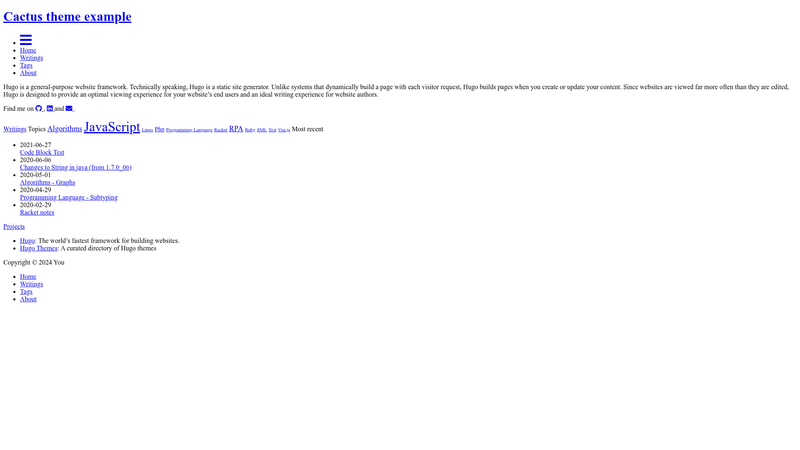
A Hugo theme for personal blogs, ported from Hexo Cactus, with configurable color themes, Disqus comments, MathJax, RSS, and Google Analytics.
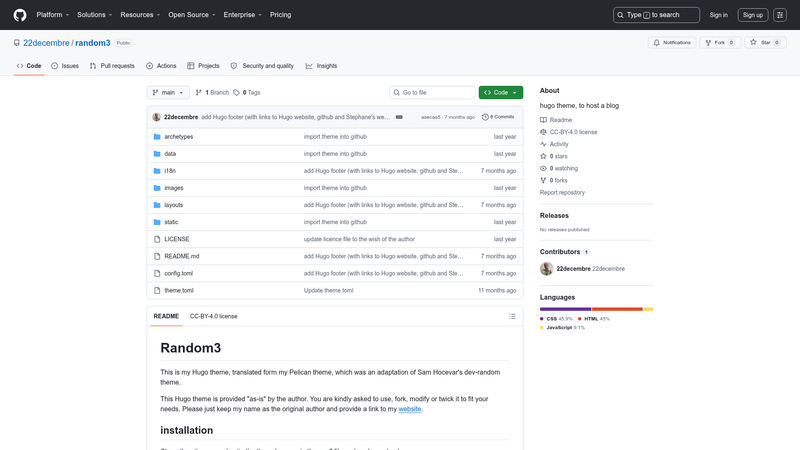
Responsive Hugo blog theme with Isso comments, tag cloud, and shortcodes for looping videos, images, and PeerTube embeds.

A Hexo blog theme forked from the Next theme and renamed after extensive modifications.

Hurley's Soul is a personal blog template built with Hugo and the Stack theme, released under GPL-3.0.
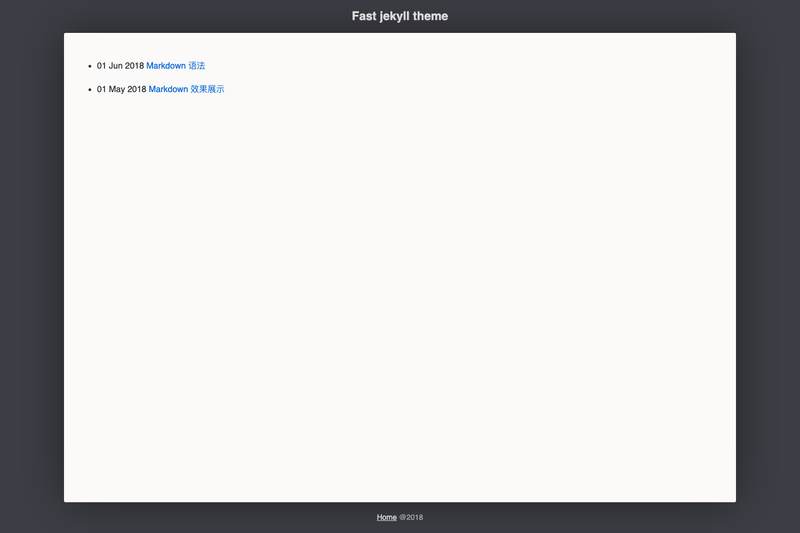
A fast, minimal Jekyll theme using vanilla JavaScript and little CSS for high performance and simple blogging.
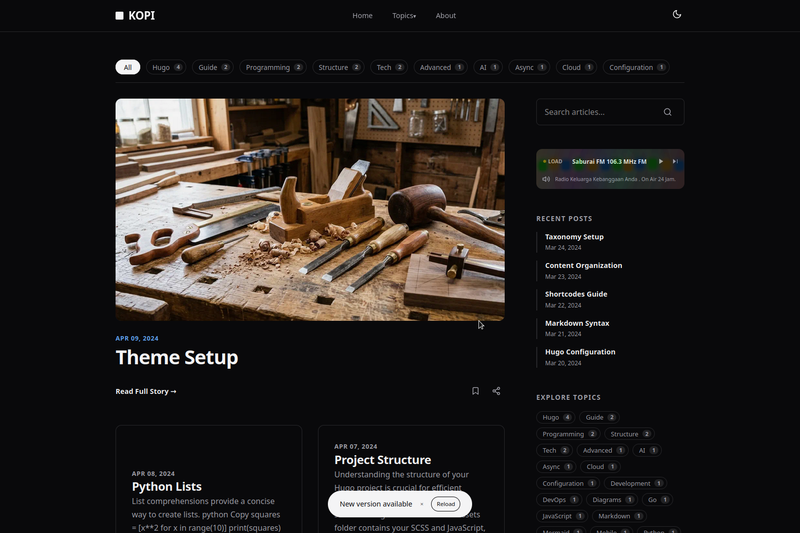
Kopi is a fast Hugo theme for dark-mode blogging with Turbo navigation, Mermaid diagrams, and an optional radio player.
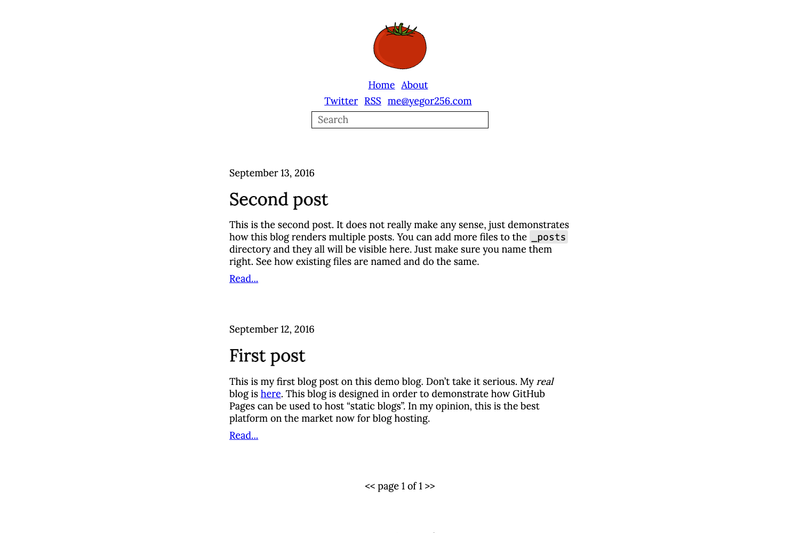
Jekyll demo blog for the '256 Bloghacks' book, deployable via Docker.
Cactus is a Hugo theme for personal blogs, ported from the hexo theme Cactus by probberechts, that turns Hugo content into a single-column blog with configurable color schemes, Disqus comments, MathJax rendering, RSS, and Google Analytics.
Cactus is a Hugo theme for personal blogs, forked from the hexo theme Cactus. It runs on the Hugo static site generator and is installed by cloning the repository into the themes/cactus folder of a Hugo site, then setting theme = "cactus" in config.toml. The theme takes standard Hugo content (Markdown files with front matter) and outputs a static blog page that includes a homepage with recent posts, a tags overview, a projects list, and navigation defined by the site's main menu. The repository is maintained by monkeyWzr, offers a live demo on GitHub Pages, and is released under the MIT license.
colortheme parameter in the site config.css parameter, e.g. css = ["css/custom.css"] loads from static/css/custom.css.showAllPostsOnHomePage; set the main section via mainSection and rename the default "Writings" title with mainSectionTitle.tocInline.data/projects.yaml, data/projects.toml, or data/projects.json; the JSON format requires a list key containing objects with name, URL, and description.[[params.social]] entries.https://example.com/index.xml when rss = true.config.toml and a data file to customize navigation, projects, and social links.hugo server to preview.mathjax = true in config or per-post front matter to display LaTeX-style math in posts, with per-post settings overriding the site config.projects.yaml, projects.toml, or projects.json file to list open-source projects with links and descriptions on the homepage.Install by cloning the repository into themes/cactus, set theme = "cactus" in your site config, add the parameters you need from the README examples, then run hugo server to test locally and deploy using Hugo's standard hosting and deployment methods. The theme reads folder-based content (e.g., the posts section), the site menu, data files, and front-matter flags to render the final static site.