Newsletter
Join the Community
Subscribe to our newsletter for the latest news and updates

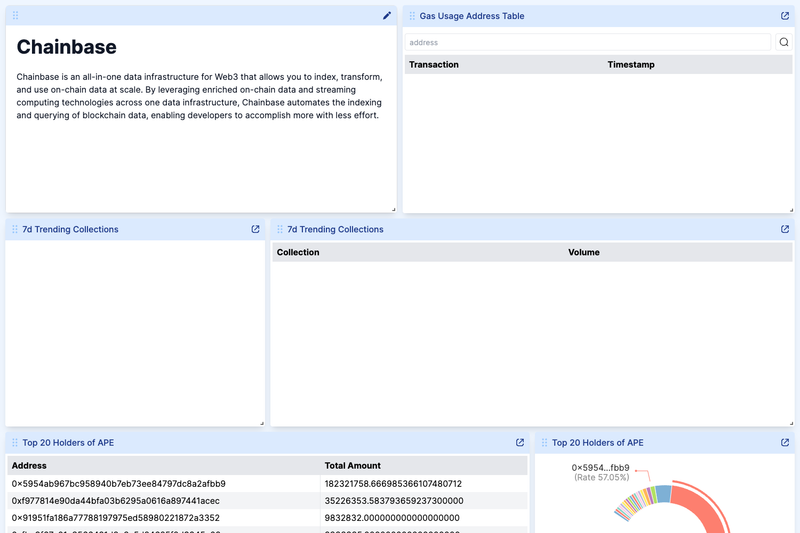
Next.js boilerplate for building a dashboard using the Chainbase API.
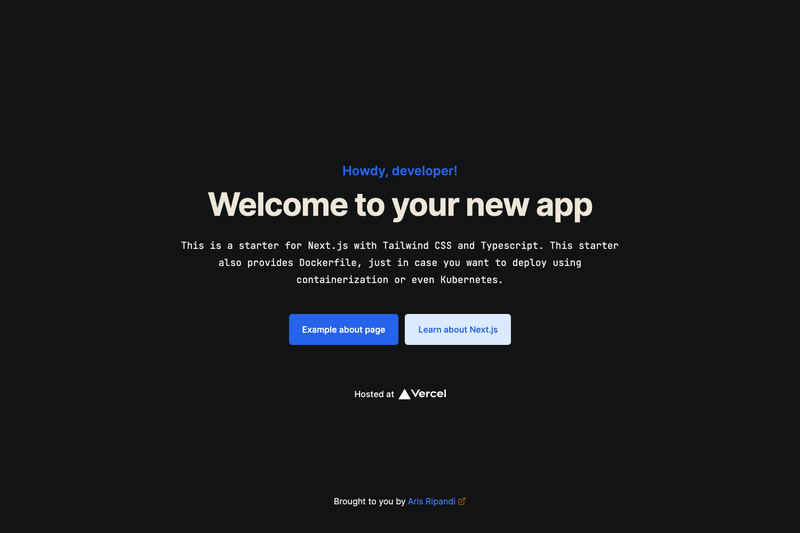
A minimal Next.js starter with Tailwind CSS v4 and TypeScript, deployable to Vercel or Cloudflare Workers via OpenNext.

A dark, modern website template powered by Nuxt and Prismic.
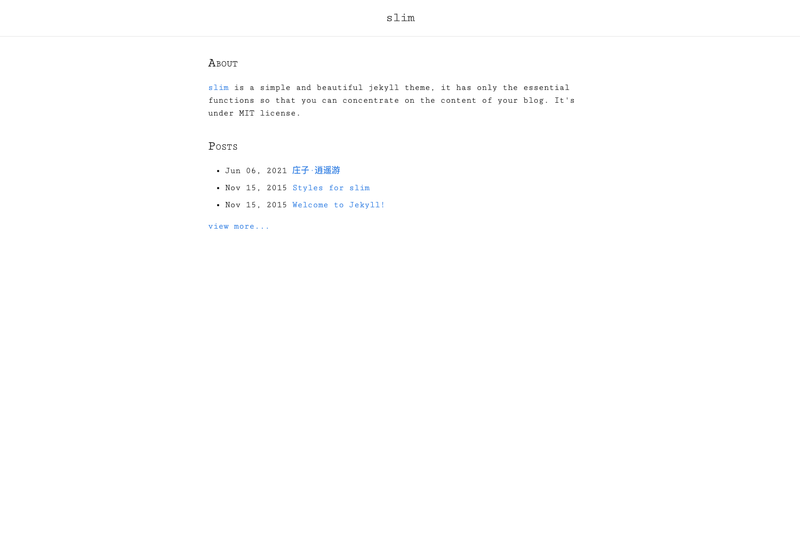
A minimal, MIT-licensed Jekyll theme for building lean static websites.
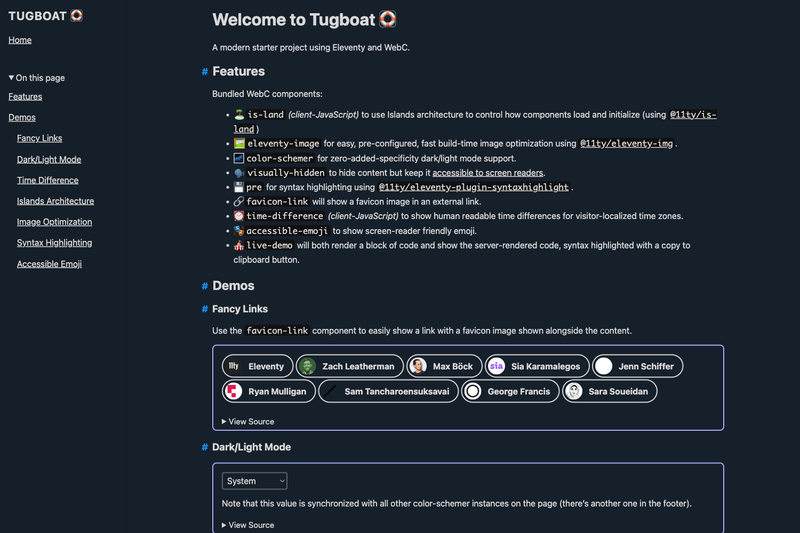
A modern starter project for Eleventy and WebC with a table of contents and WebC components.
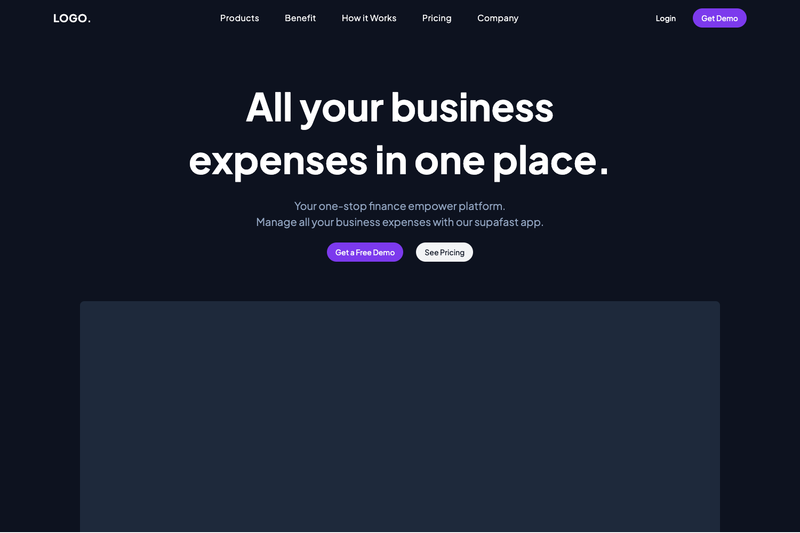
A fullstack SaaS boilerplate using Next.js, Supabase for authentication, and Stripe for payments.
Chainbase Dashboard Boilerplate is a Next.js starter project for building a dashboard backed by the Chainbase API, bootstrapped with create-next-app and set up for Vercel deployment. Its repository metadata describes the project as 'Build your dashboard using chainbase api' and lists topics including blockchain, web3, and nextjs-boilerplate.
The Chainbase Dashboard Boilerplate is a minimal Next.js application template generated with create-next-app, intended as a starting point for dashboards that consume the Chainbase API. It uses the App Router (the editable file is app/page.tsx) and includes next/font to automatically optimize and load the Inter font. The project has no pre-built dashboard components; instead, developers replace the default page with their own data views.
Web3 developers who want a minimal dashboard scaffold wired for Chainbase data. Also useful for Next.js developers looking for a quick boilerplate to experiment with API-driven dashboards. Because it is a standard create-next-app project, it is suitable for developers who prefer to start from the official baseline and add their own dependencies.
First, install dependencies with npm install (or yarn/pnpm equivalents). Then run npm run dev to start the development server at http://localhost:3000. The main file to edit is app/page.tsx, which hot-reloads on save. When ready, deploy by pushing the repository to Vercel and importing it via the platform.
No. It is a default create-next-app starter, so the page is a generic welcome screen. You must build the dashboard interface yourself by editing app/page.tsx and adding components, charts, and API calls.
According to the repository's description, the project is intended to help build a dashboard using the Chainbase API. Chainbase is a blockchain data infrastructure service, but this README does not include API keys, endpoints, or examples.
The easiest path is to connect the GitHub repository to Vercel. The README points to the Vercel deployment documentation for details. You can also run a standard Next.js build and host it elsewhere.
The README lists npm, yarn, and pnpm. Development server commands are npm run dev, yarn dev, and pnpm dev, respectively.