Newsletter
Join the Community
Subscribe to our newsletter for the latest news and updates

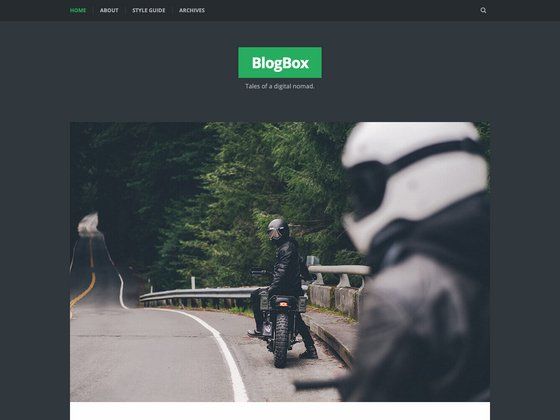
Minimal theme for blog and portfolio
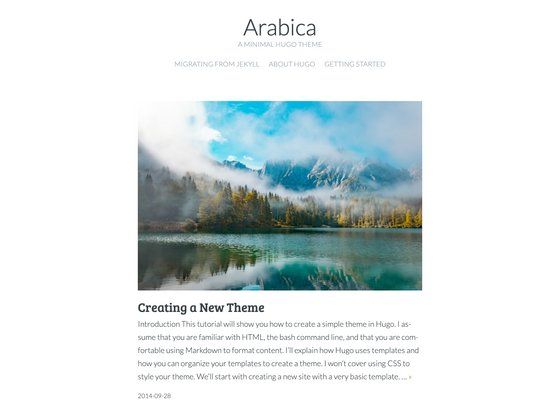
A minimal Hugo blog theme ported from the Ghost Arabica theme.
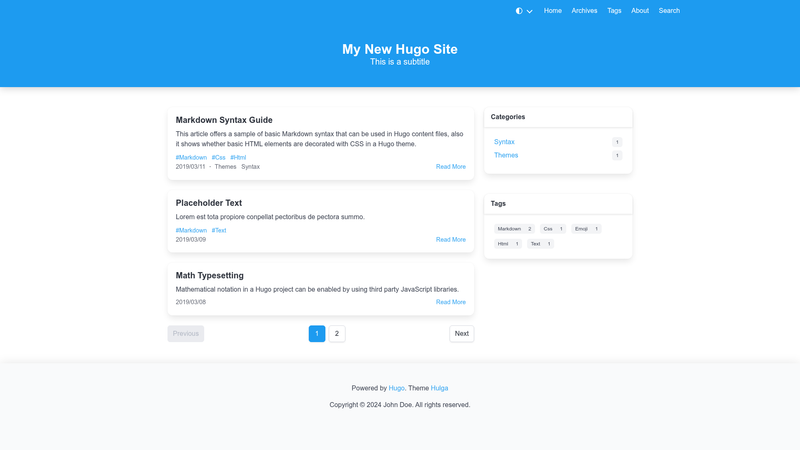
A fast, small Hugo blog theme built on Bulma CSS with dark mode, TOC, static search, and PWA support.
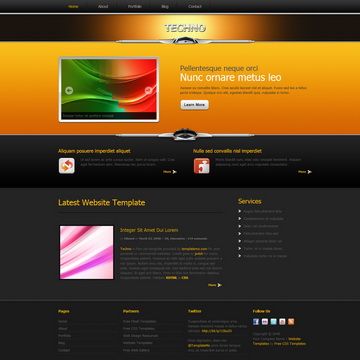
Free HTML/CSS site template with orange, dark gray, and black metallic design, 6 pages including blog post and contact form with maps.
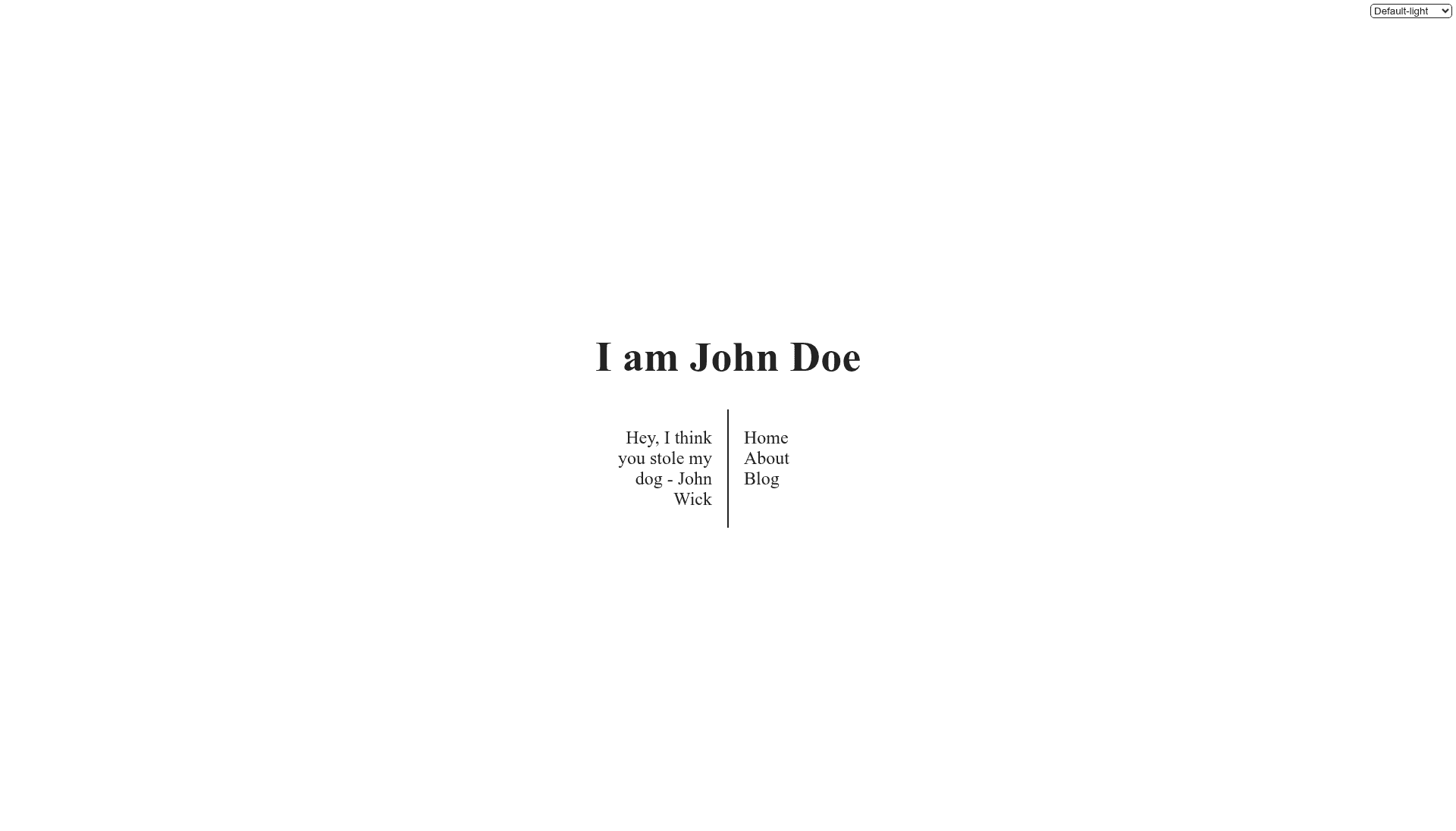
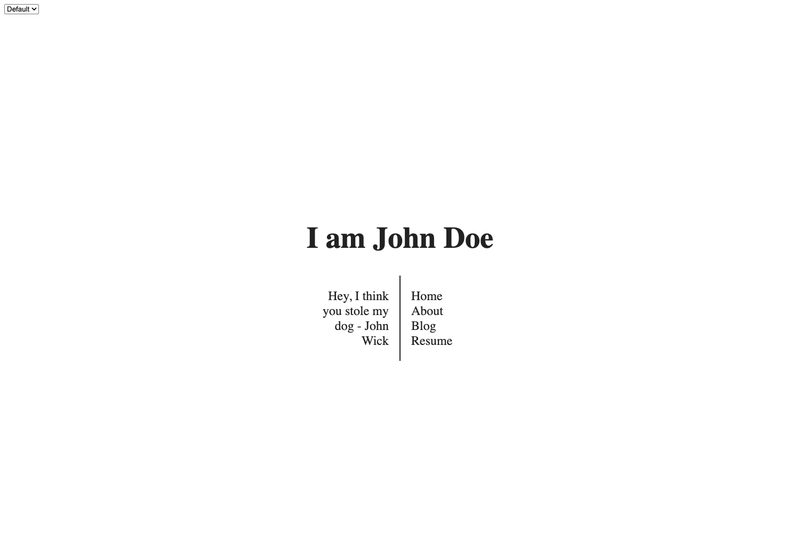
dev-portfolio-blog is a minimal Jekyll theme distributed as a Ruby gem, designed to build a personal blog and portfolio site on GitHub Pages with configurable themes, analytics, comments, and category organization.
dev-portfolio-blog is a free, open-source Jekyll theme (MIT License) that turns a standard Jekyll site into a personal blog and portfolio. You supply markdown posts and YAML configuration; the theme generates a static HTML site with home, blog index, about, and categories pages. It targets Ruby 3.2 and Jekyll 4.4, works on GitHub Pages, and is maintained by rohitjain00.
_config.yml.google_analytics config key to enable visitor analytics; a placeholder value keeps analytics disabled.disqus.shortname in _config.yml and opt in per post with a comments: true front matter flag to display comment threads./categories/ page with the provided categories layout.jekyll-paginate-v2 and jekyll-minifier plugins; add the plugin and config to enable auto-pagination and HTML/CSS/JS minification.compose.yml file creates a consistent development environment with Ruby 3.2, Jekyll 4.4, and Node.js, so you can preview the site at http://localhost:4000 without installing dependencies locally.home layout with custom home_text and a resume URL to showcase your work and background._site folder._posts markdown files with yyyy-mm-dd-postname.md naming; the blog index shows each post's description or a 30-word plain-text excerpt.categories.md page with the categories layout to let readers search posts by topic from the YAML front matter.Add gem "dev-portfolio-blog" to your Gemfile and set theme: dev-portfolio-blog in _config.yml, then run bundle install. Create the required pages (index.md, blog.md, about.md, categories.md) with the documented layouts and permalinks, then write posts as markdown in _posts. Jekyll builds the static site; optional plugins enable pagination and minification.
Pros:
Cons:
Free — the theme is distributed as an open-source Ruby gem under the MIT License, with no tiers or paid plans.
Yes. The theme is open source and released under the MIT License, so you can use and modify it freely for personal or commercial projects.
Add gem "dev-portfolio-blog" to your Jekyll site's Gemfile, set theme: dev-portfolio-blog in _config.yml, and run bundle install. You can also fork the demo repository at https://github.com/rohitjain00/rohitjain00.github.io and update the files.
Yes, via Disqus. Configure disqus.shortname in _config.yml and add comments: true to a post's front matter. If disqus.shortname is left blank, comments are disabled.
Set the google_analytics key in _config.yml to a real measurement ID. The dummy value G-XXXXXXXXXX keeps analytics disabled until you replace it.
The project targets Ruby 3.2 and Jekyll 4.4. The Docker environment uses a ruby:3.2-bullseye image, and native setups should install Ruby 3.2, Bundler, and Node.js.