Newsletter
Join the Community
Subscribe to our newsletter for the latest news and updates

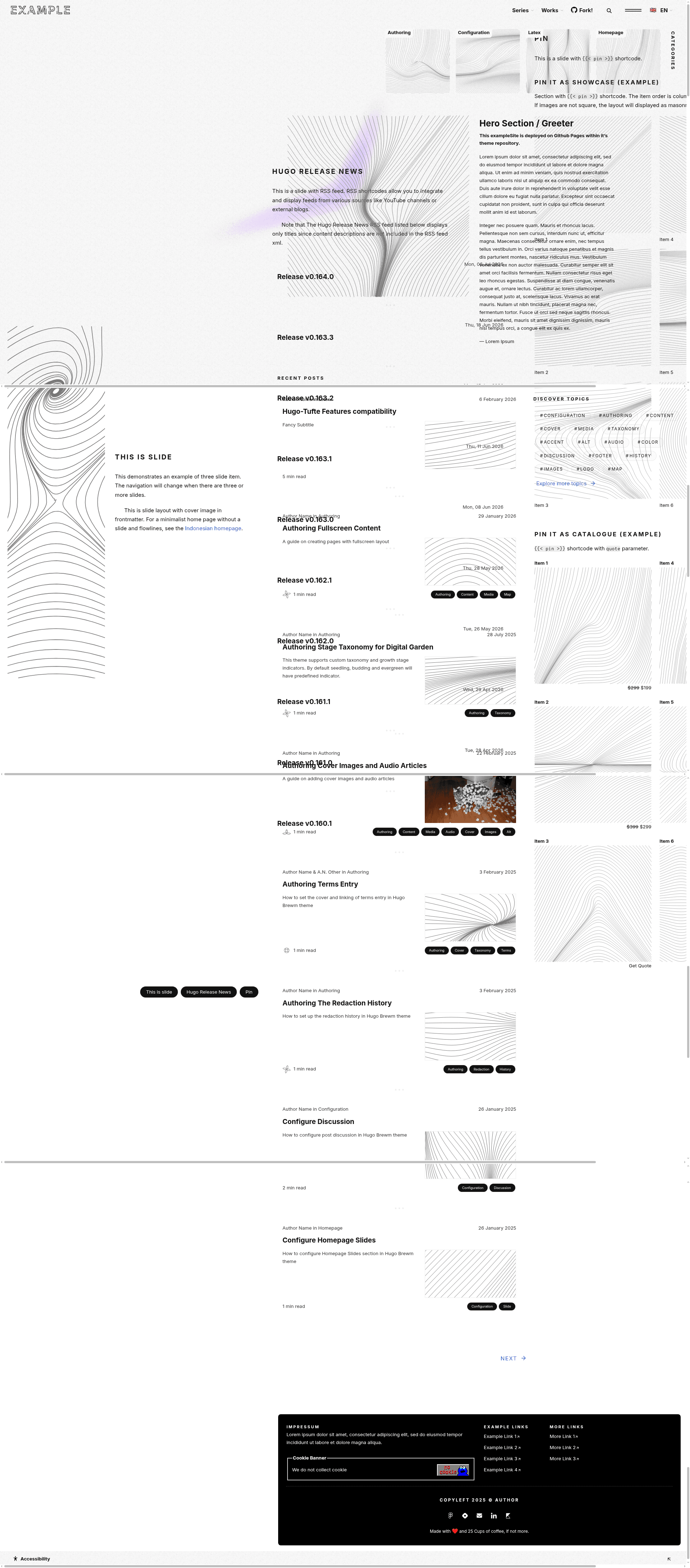
Open-source Hugo theme for accessible, frameworkless blogs and digital gardens with graceful degradation and fediverse comments.
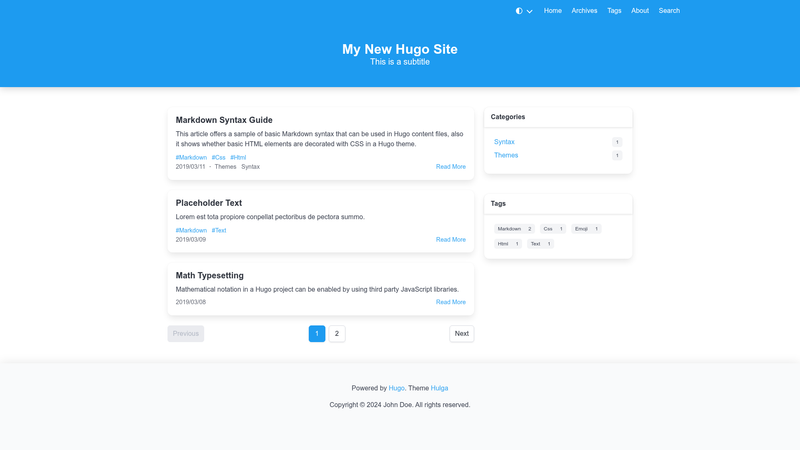
A fast, small Hugo blog theme built on Bulma CSS with dark mode, TOC, static search, and PWA support.
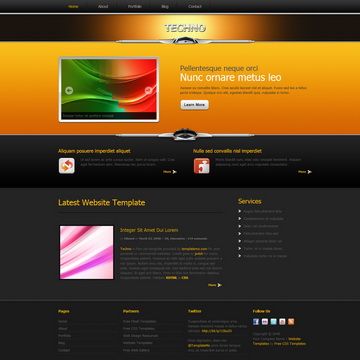
Free HTML/CSS site template with orange, dark gray, and black metallic design, 6 pages including blog post and contact form with maps.
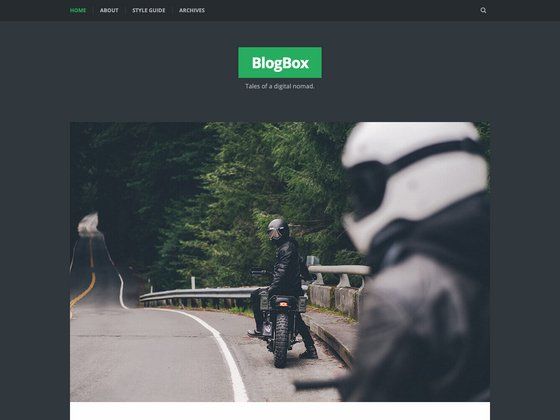
BlogBox is a minimal, bold, responsive Jekyll theme for artists, photographers, and creative bloggers.
hugo-brewm is an open-source Hugo theme for building fast, accessible blogs and digital gardens that work with or without JavaScript.
hugo-brewm is a Hugo theme created by foxihd, released under the MIT License, that turns Markdown content into a static website with a reader-first design and graceful degradation. It requires Hugo version 0.141.0 or newer and includes an example site for reference. The theme produces a fully static site with no mandatory JavaScript, and it can run in terminal browsers like Lynx or W3M. It is intended for blogs, personal websites, and digital gardens with multi-author and multilingual support; it originated from the author's tiny coffee business and includes a configurable coffee statistic parameter.
Installation is done by adding the theme as a Git submodule and setting the theme name in config.toml. To preview, run hugo serve --minify --gc --port=8080; for production, run hugo --minify and optionally index search with npx pagefind --site "public". The theme can be updated with git submodule update --remote --merge themes/hugo-brewm.
Yes, hugo-brewm is released under the MIT License, so it is free to use, modify, and distribute. The developer accepts GitHub Sponsorships but does not charge for the theme.
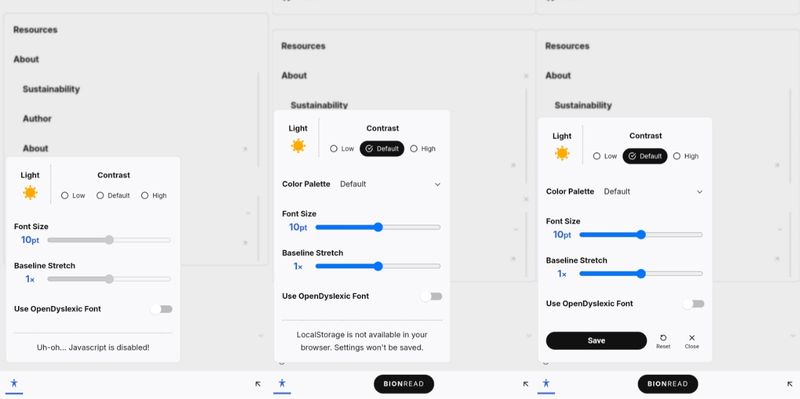
The theme is designed with graceful degradation. With JavaScript disabled, the site remains fully functional, including comments via Fediverse, the fallback searchbox, and readable content in terminal browsers such as Lynx or W3M.
The theme targets browsers from 2019 or later and intentionally does not support Internet Explorer or Opera Mini. It uses a CSS baseline of 2020 and JavaScript baseline of 2019.
hugo-brewm supports Giscus (GitHub Discussions) and Fediverse comments from Mastodon and Bluesky. Configuration is done via the giscus and fediverse sections in config.toml.
The project is entering a slow development stage but the README recommends keeping it up-to-date for better performance and resource efficiency. Updates are applied via git submodule update --remote --merge themes/hugo-brewm.