Newsletter
Join the Community
Subscribe to our newsletter for the latest news and updates

A Jekyll template for building project documentation pages
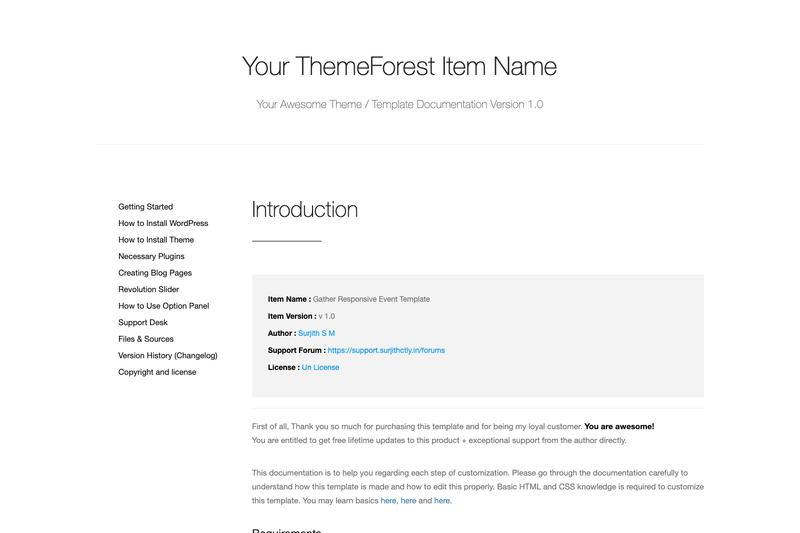
A sample HTML documentation template for themes, templates, and plugins, built with Bootstrap 3.
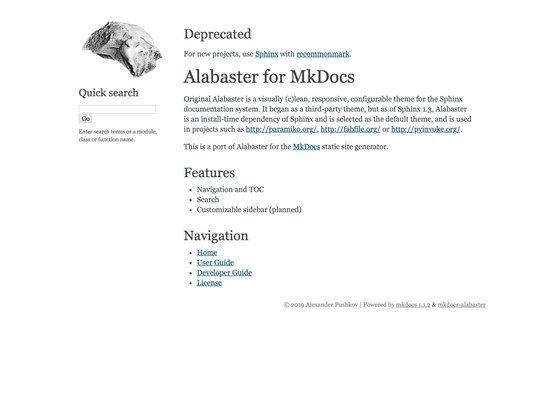
Deprecated Alabaster theme port for MkDocs, installable via pip and configured with a single line.
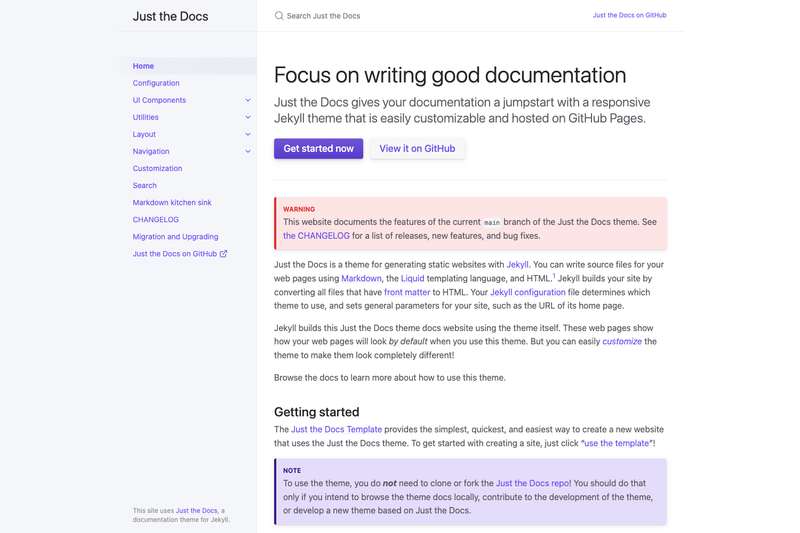
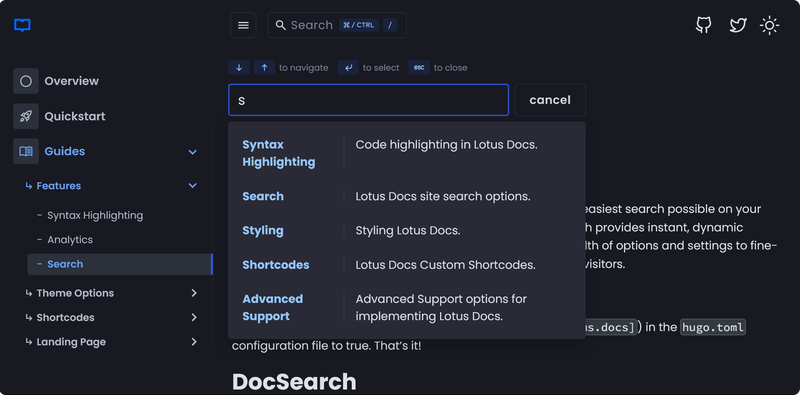
A responsive Jekyll theme for documentation with built-in search, designed for GitHub Pages.
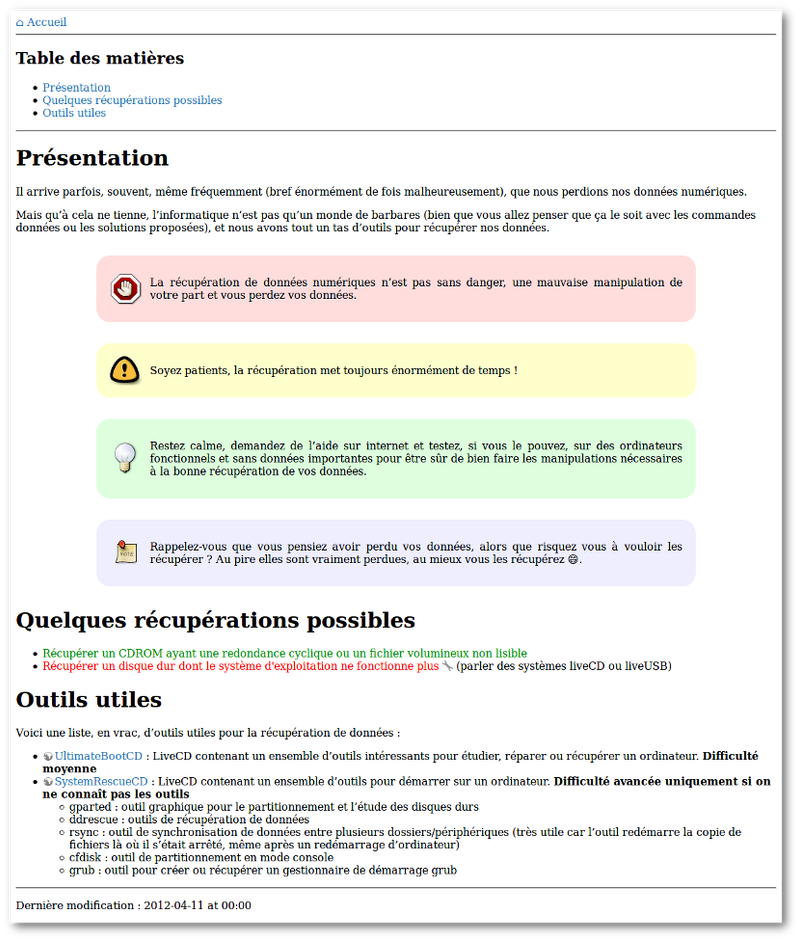
A Hugo wiki theme with Dokuwiki-style notes, link shortcodes, search, and configurable table of contents.
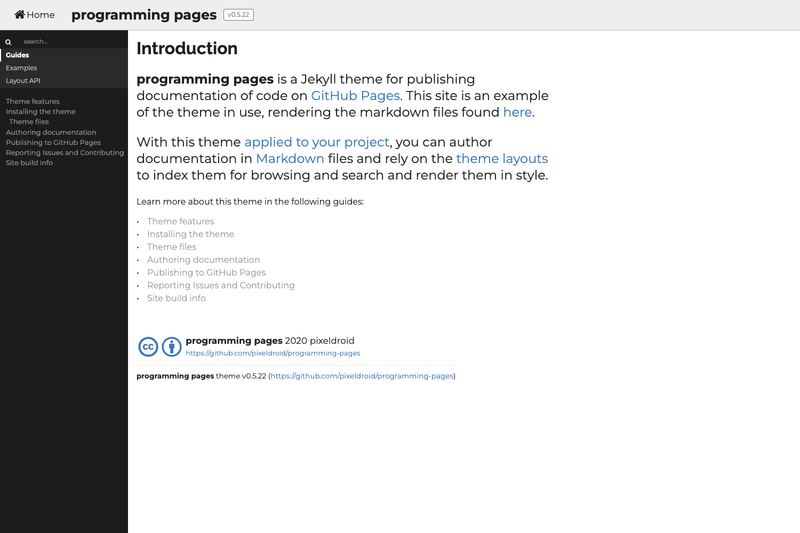
A Jekyll theme for publishing code documentation to GitHub Pages with Markdown authoring.
DOCter is a Jekyll template for building project documentation pages, published under the cfpb GitHub organization and demonstrated live at cfpb.github.io/DOCter.
DOCter is a static site template built on Jekyll that transforms a GitHub repository's gh-pages branch into a documentation site. You provide standard Jekyll content such as markdown pages and a _config.yml file, and DOCter outputs a navigable documentation website with a left-column navigation, title, subtitle, logo, and author information all controlled from that single config file. It is maintained by the Consumer Financial Protection Bureau (CFPB) and is released into the public domain under the CC0 Public Domain Dedication.
_config.yml, so no code edits are needed to rebrand the site.username.github.io/project-name/ URL structure: set baseurl to /project-name in _config.yml and pass an empty string to --baseurl when running jekyll serve locally.offline_cache: true in _config.yml; after the first load, the Service Worker serves a cached version in modern browsers, and you control the cache name and cached files in sw.js.gem install bundler, bundle install, and then bundle exec jekyll serve --watch --baseurl '' to preview at localhost:4000.DOCter is aimed at developers, open-source maintainers, and small teams who want a clean, minimal documentation page without building a site from scratch. Open-source developers can use it to document a GitHub project by pushing content to the gh-pages branch. Teams that want a consistent documentation layout driven by a YAML config file will appreciate the simple customization. It also suits anyone already familiar with Jekyll who wants a quick starting point for a project page.
gh-pages branch into a documentation site with left navigation, title, and logo in under an hour.gh-pages branch.First, install Bundler and clone the repository from [email protected]:cfpb/DOCter.git. Then run bundle install and start a local server with bundle exec jekyll serve --watch --baseurl '', which serves the site at http://localhost:4000/. Edit _config.yml to set site metadata and enable offline caching, and add custom pages in markdown. To publish, push the repository to the gh-pages branch on GitHub, and GitHub automatically builds the Jekyll site with the baseurl ensuring URLs resolve under the project path.
Yes, DOCter is released into the public domain under the CC0 Public Domain Dedication. That means you can use, copy, modify, and distribute it for any purpose, including commercial projects, without paying a license fee or providing attribution. Contributions to the project are also released under the same terms.
Yes, DOCter is built specifically for GitHub Pages Project Pages. The README explains how to set the baseurl option in _config.yml to /project-name so that all URLs resolve under the username.github.io/project-name/ path. It also shows how to pass an empty string to --baseurl during local preview to keep local URLs clean.
Set offline_cache to true in _config.yml. After a visitor's first page load, the Service Worker caches the site so it is available offline in modern browsers. For significant updates, change the cache_name value and add any additional files to the filesToCache array in sw.js.
First install Bundler with gem install bundler and run bundle install inside the cloned repository. Then start the development server with bundle exec jekyll serve --watch --baseurl '', and open http://localhost:4000/ in your browser. The empty --baseurl prevents the project name from appearing in local URLs.
DOCter is hosted under the cfpb GitHub organization, indicating that it is maintained by the Consumer Financial Protection Bureau (CFPB), a U.S. government agency. The repository is forked from [email protected]:cfpb/DOCter.git, and the live demo is available at cfpb.github.io/DOCter. Contributions are accepted, and each pull request must waive rights under the project's CC0 license.