Newsletter
Join the Community
Subscribe to our newsletter for the latest news and updates

A minimal, mobile-first blog theme for Jekyll with customizable colors and typography.

A minimal Hugo blog theme based on AmazeUI, ported from the Typecho Amaze template with custom banner and social buttons.
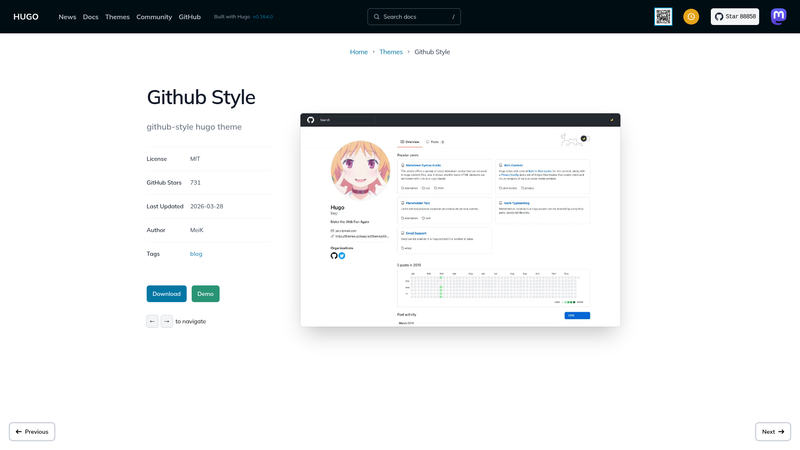
A Hugo blog theme that mimics GitHub's profile and repository pages, with Gitalk comments, LaTeX support, local search, and custom CSS/JS.

A Hugo blog theme rewritten with Bootstrap 5, featuring dark mode, MathJax, syntax highlighting, and customizable homepage sections.
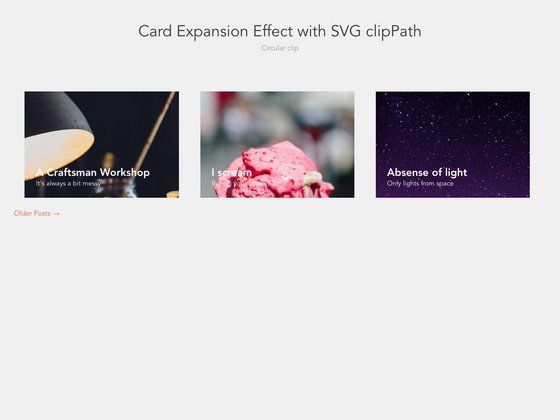
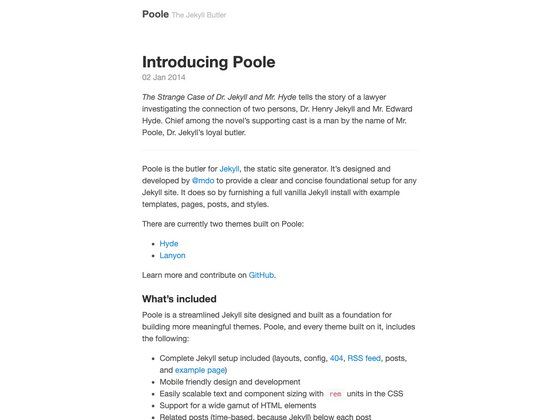
A simple, clean, and responsive modern blog theme for Jekyll, forked from inded/modern-theme.
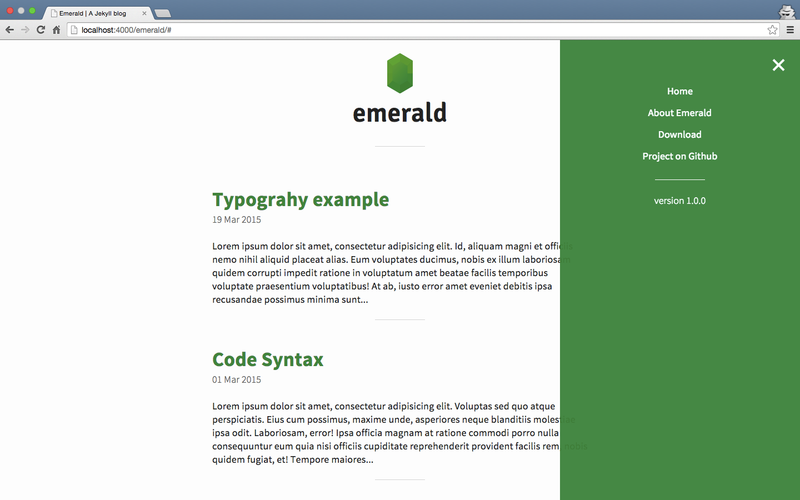
Emerald is a minimal, mobile-first Jekyll blog theme designed to launch a content-focused site quickly, with customizable colors, navigation, and typography.
Emerald is a Jekyll theme created by Jacopo Rabolini, released under the MIT License. It takes a standard Jekyll directory structure as input and produces a responsive, content-focused blog with an auto-generated navigation menu, color theming through SCSS variables, and a modular typographic scale. The theme is built for use with GitHub Pages: several template tags include {{ site.baseurl }} to support project sites, and the baseurl value in _config.yml can be changed to match your directory or set to "/" for a root install.
base.scss using HEX, RGB, or any CSS value to restyle the entire theme.link.html file._config.yml to inject custom code via header-custom.html and nav-footer-custom.html._config.yml.jekyll serve, and open 0.0.0.0:4000/emerald/ to preview your new blog.Install by downloading the zip from the GitHub repository and extracting it into your target directory, then run jekyll serve from the terminal. For GitHub Pages, fork the repo and update the baseurl value in _config.yml to match your project directory or "/". The master branch is for development; the gh-pages branch hosts the demo site.
Yes, Emerald is released under the MIT License, so you can use, modify, and distribute it freely.
Emerald is designed for GitHub Pages. Fork the repository, set the baseurl in _config.yml to your project directory or "/", and enable GitHub Pages for the branch.
Edit the SCSS variables in the base.scss file: $main-color controls the menu, title, links, and footer; $background-color controls the background and navigation link colors; $text-color controls text and post titles.
Navigation links are auto-generated from pages set with the "page" layout. To add custom links, put an anchor tag in the link.html file. There is no need to edit menu config separately.