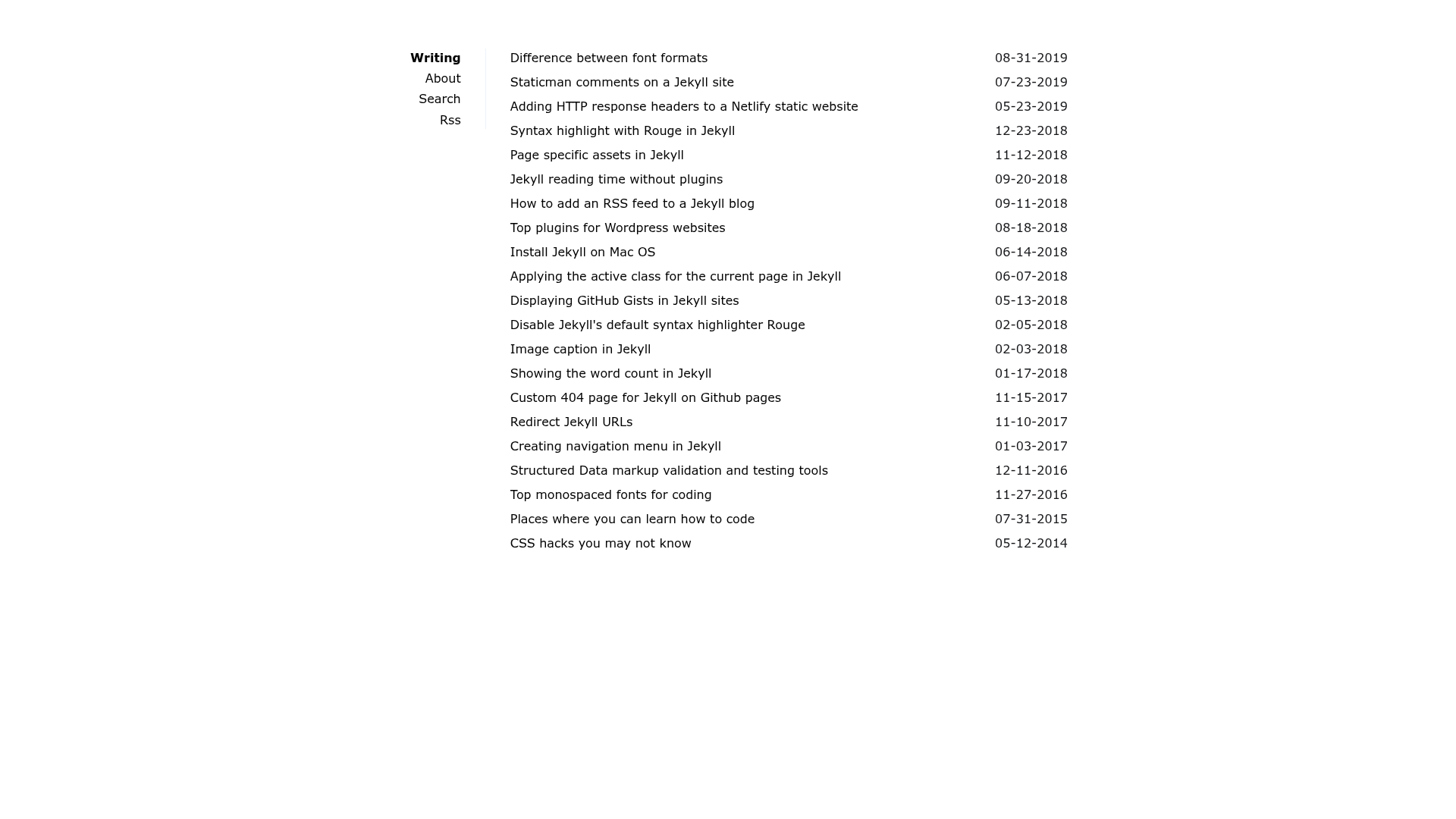
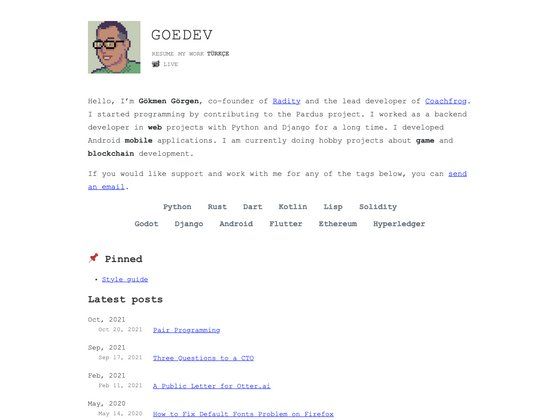
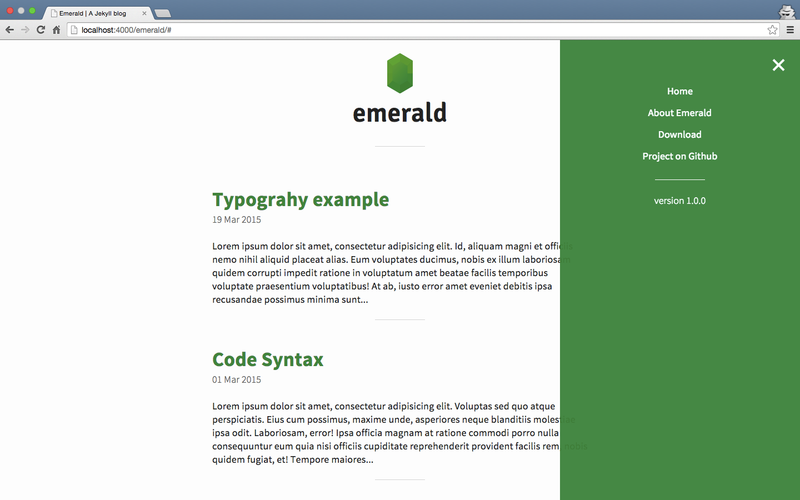
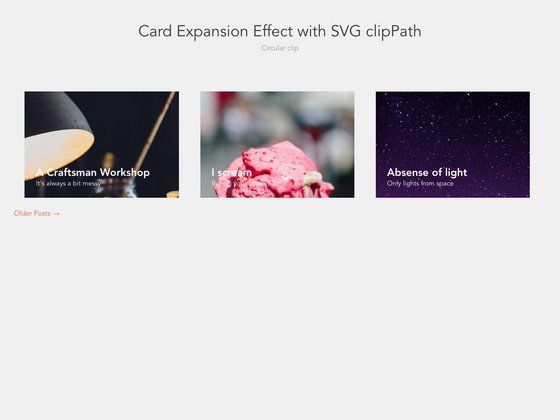
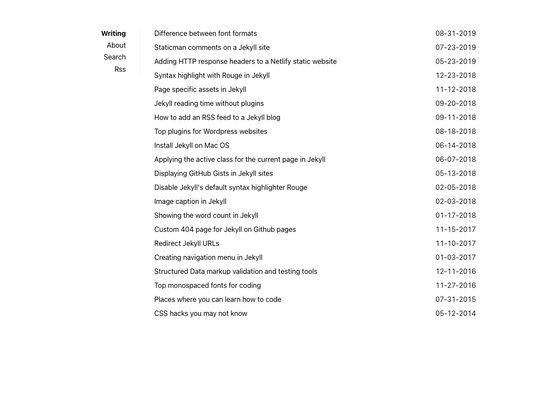
Sidey is a minimalistic Jekyll blogging theme that outputs a static site with inline CSS, search, tag pages, and sidebar navigation, engineered to score 100/100 on Lighthouse, PageSpeed Insights, and Webpagetest.
What is Sidey?
Sidey is a theme for Jekyll, the static site generator. It takes Markdown content and Sass styles and builds them into a static HTML website. The theme is distributed through GitHub, with the repository description "Sidey is a simple and minimalistic jekyll blogging theme." The GitHub repository currently has 600 stars. It is designed for bloggers who want a fast, uncluttered website without JavaScript-heavy frameworks.
Key Features
- Inline CSS — All CSS is inlined into the HTML, reducing external requests and making the site render with just a single HTML file per page; the total CSS weighs roughly 5kb.
- Responsive design — The layout adapts to mobile and desktop screens through a fluid grid and flexible navigation.
- Search — A built-in search mechanism is included, so visitors can filter posts by keywords without leaving the blog.
- Tags & tag pages — Each post can be assigned tags, and the theme automatically generates pages that list all posts sharing a specific tag.
- Security headers for Netlify — The theme ships with configuration for security-related HTTP headers when deployed to Netlify, helping meet security best practices.
- Anchor headings — Headings automatically get anchor links, making it easier to share deep links to specific sections of a post.
- SEO optimized — Includes Twitter cards, Facebook Open Graph tags, and Schema.org structured data so posts appear richly in social shares and search results.
- Feeds — Atom and JSON feed files are generated, allowing readers to subscribe via their preferred feed reader.
- Sass — Styles are written in Sass, a CSS preprocessor, so you can customize variables and mixins before building the site.
- 404 page — A custom 404 page is included for better user experience.
- Compressed CSS and HTML — The build process minifies both CSS and HTML to reduce file sizes.
- Robots.txt — A robots file is generated for search engine crawlers.
Who is it for?
- Minimalist bloggers — People who want a clean, text-first theme with no clutter, focusing on readability and speed.
- Jekyll users — Developers who already know Jekyll and want a lightweight alternative to heavier portfolio themes.
- Web performance enthusiasts — Site owners who measure performance; Sidey's inline CSS and tiny footprint help reach perfect audit scores.
- Netlify deployers — Users hosting on Netlify can take advantage of built-in security header configuration.
What can you do with Sidey?
- Create a personal blog — Write posts in Markdown, assign them tags, and publish a fast static site in minutes.
- Build a project journal — Use the sidebar navigation to organize sections of your site, making it suitable for changelogs or documentation.
- Share content on social media — With Twitter cards and Open Graph tags, links to your posts preview with a title, description, and image when shared.
- Measure performance — Since the theme is designed to score 100/100 on Lighthouse, you can use that score as a baseline for your own site improvements.
How does Sidey work?
Sidey is built with Jekyll, so the workflow is: write content as Markdown in the _posts directory, define tags in the front matter, and run jekyll build to generate a static site. Sass files are compiled to CSS and inlined into the HTML output, and the theme automatically generates feeds, tags pages, and the robots file during the build.
FAQ
Is Sidey free?
Sidey is open source and available on GitHub as a Jekyll theme. You can clone or fork it to use in your own projects.
Does Sidey support Netlify hosting?
Yes, it includes security header configuration for Netlify, and the compressed HTML/CSS output is well suited for static hosting.
Can I customize the theme?
Yes, the theme uses Sass for styling, and Jekyll's own template files can be edited. Since the CSS is only about 5kb, customization is straightforward.