Newsletter
Join the Community
Subscribe to our newsletter for the latest news and updates

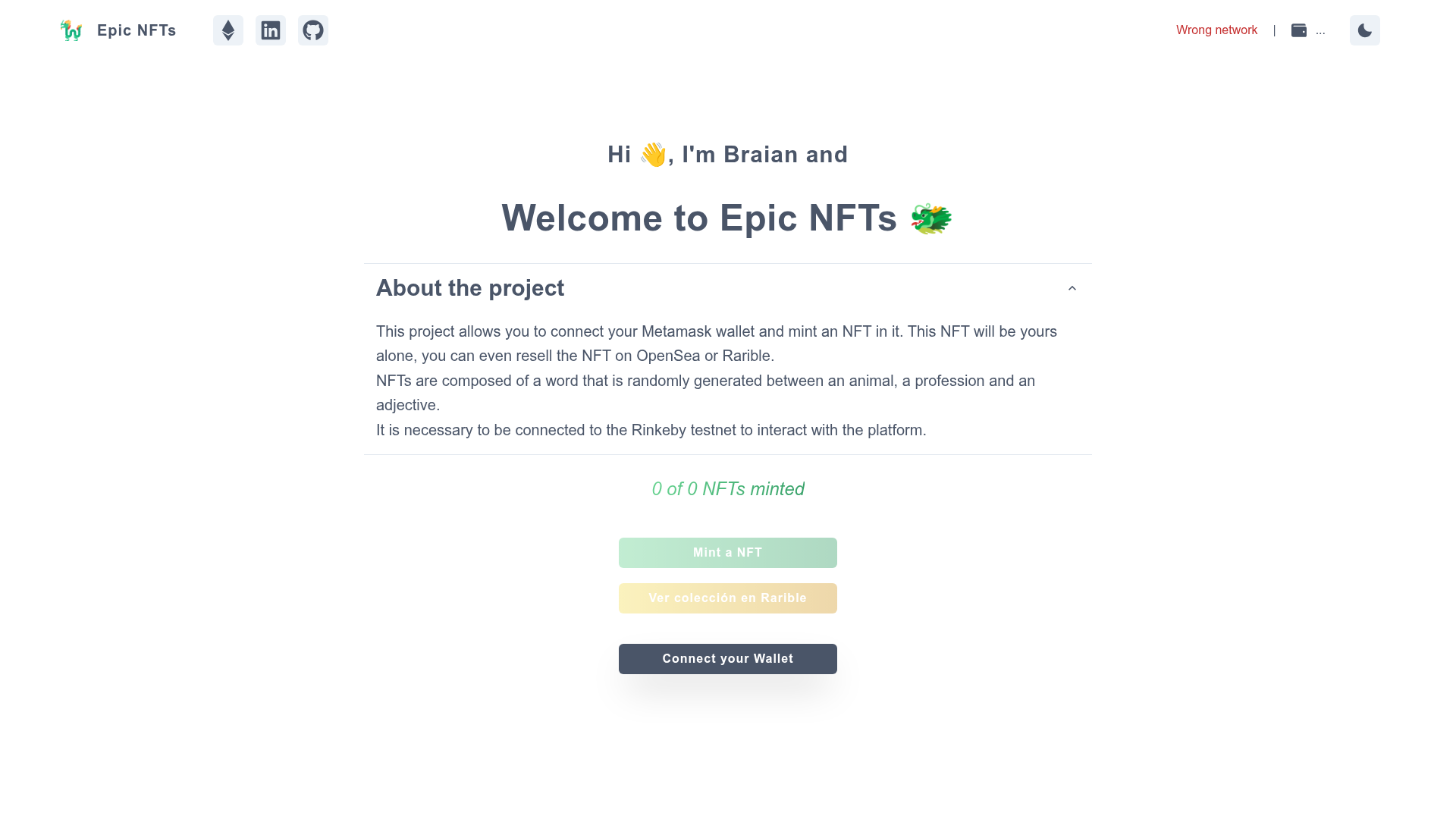
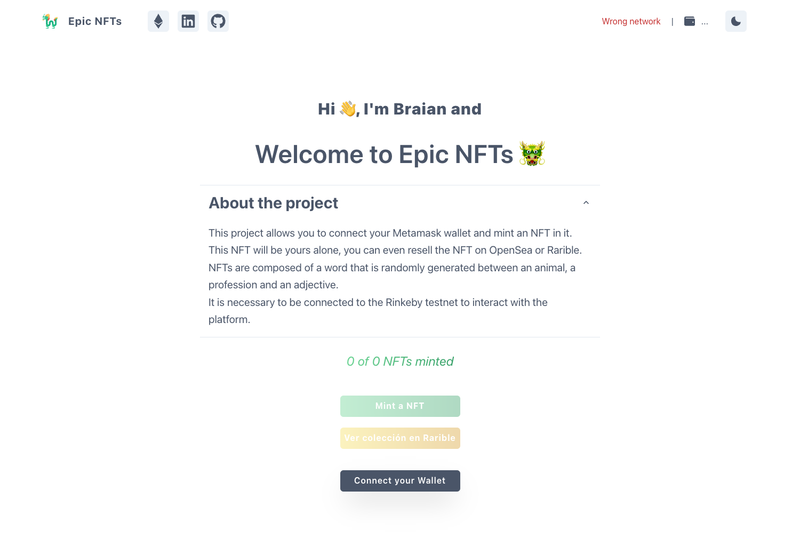
A Next.js + Chakra UI web3 template that lets users connect MetaMask and mint customizable NFTs on the Rinkeby testnet.
Free one-page HTML CSS template from TemplateMo with a two-column black and yellow layout.
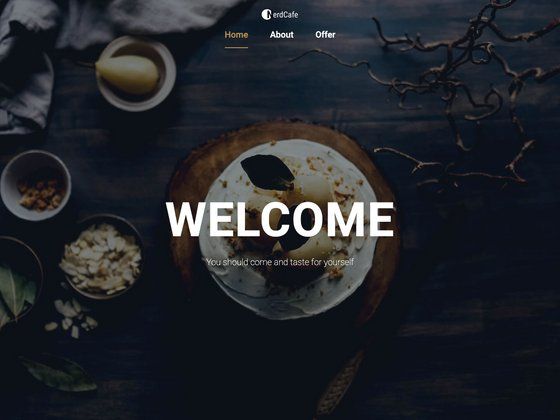
Sample Svelte and Sapper website for a fictional café, with menu content managed in Kentico Kontent headless CMS.
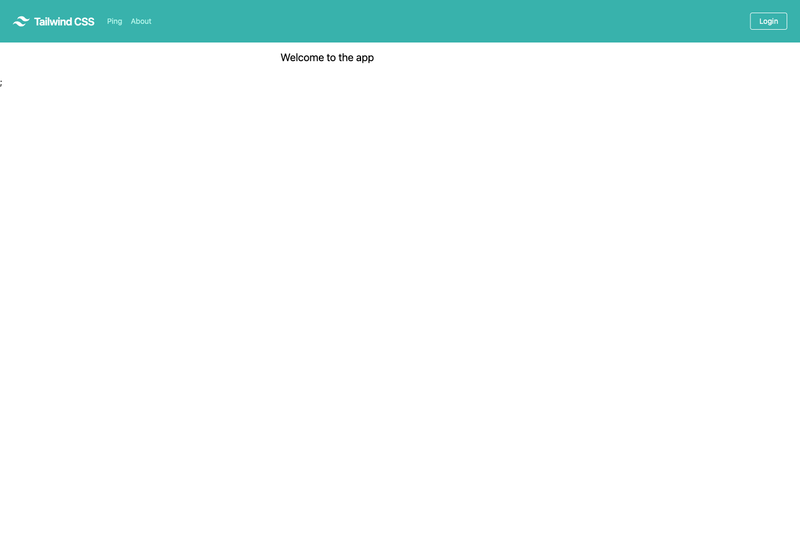
Barebones example of a Next.js SPA backed by a Django REST Framework API with JWT auth.
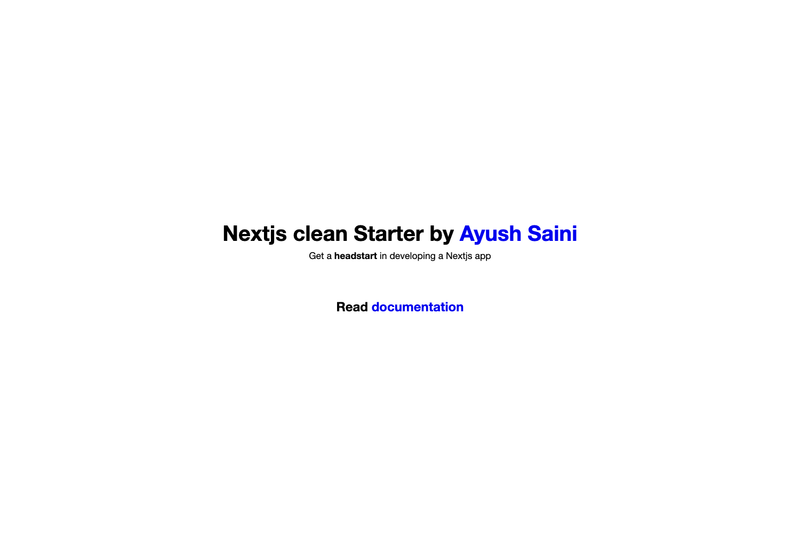
Next.js clean starter template with prebuilt layout components, Sass styling, and Prettier configured.
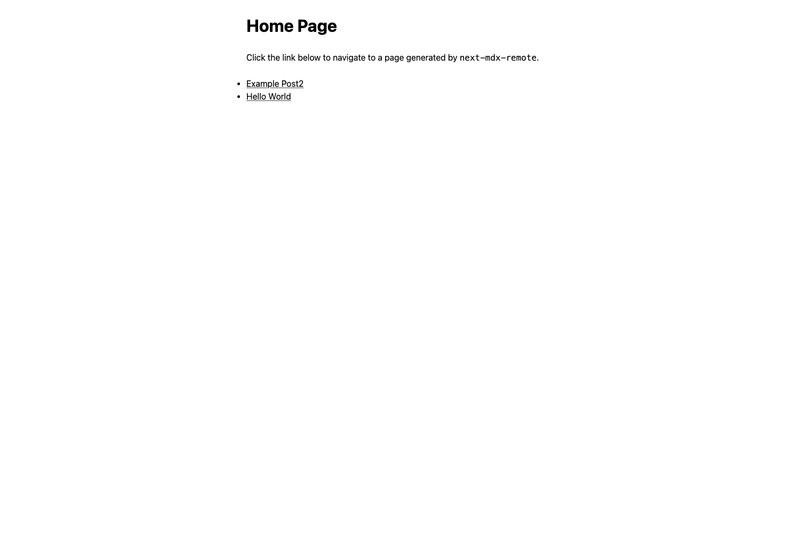
Example Next.js app that bundles MDX content with mdx-bundler and live reload via next-remote-watch.
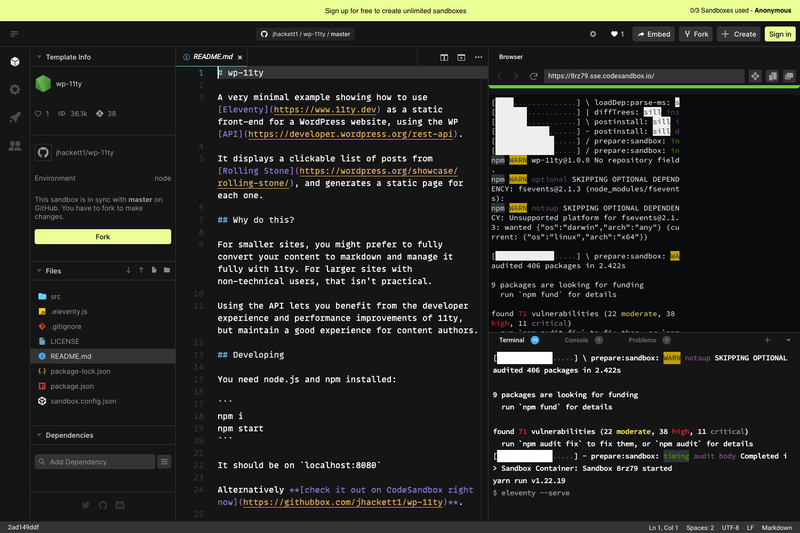
A minimal example of using Eleventy as a static front-end for WordPress via the WP REST API.
Epic NFTs [UI] is an open-source Next.js web3 template that implements a complete NFT minting frontend on the Rinkeby testnet, created by Braian Vaylet while completing the buildspace NFT course. The application connects to a Solidity smart contract built with HardHat and lets users authenticate with MetaMask, mint a randomly generated NFT, and resell it on OpenSea or Rarible.
Epic NFTs [UI] is the frontend layer of a testnet NFT minting dApp: it takes a MetaMask wallet connection and an Ethereum test transaction as input, and produces an on-chain NFT with a unique name composed of a random animal, profession, and adjective. The project runs on Next.js with Chakra UI components and is deployed to Vercel, with the smart contract code kept in a separate repository under the same author.
The README links to the Chainlink Rinkeby faucet (faucets.chain.link/rinkeby), where you can request free test ETH to pay for minting transactions.
When minted, the smart contract randomly selects one word from each of three lists (animals, professions, adjectives) to form the NFT's name attribute.
Yes, the code is open source under the repository's public license, and the live demo is free to test. Minting still costs Rinkeby test ETH, which is free to obtain through the faucet.
The app is configured for the Rinkeby test network only; the README specifically asks users to switch MetaMask to Rinkeby before minting, so mainnet or other testnets are not covered in this version.