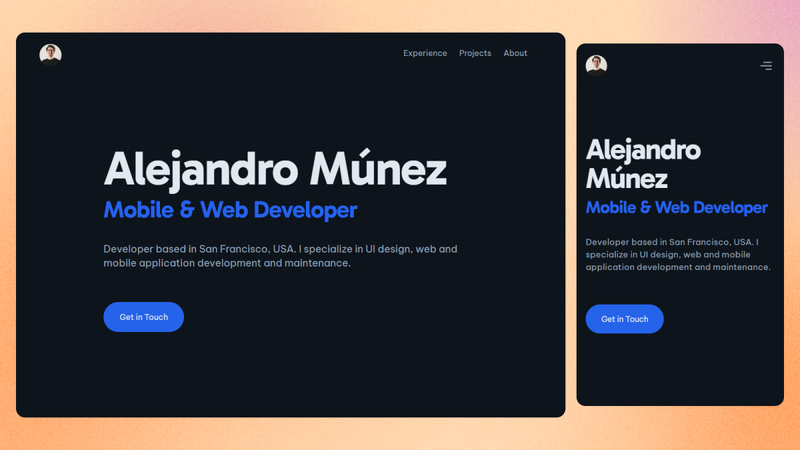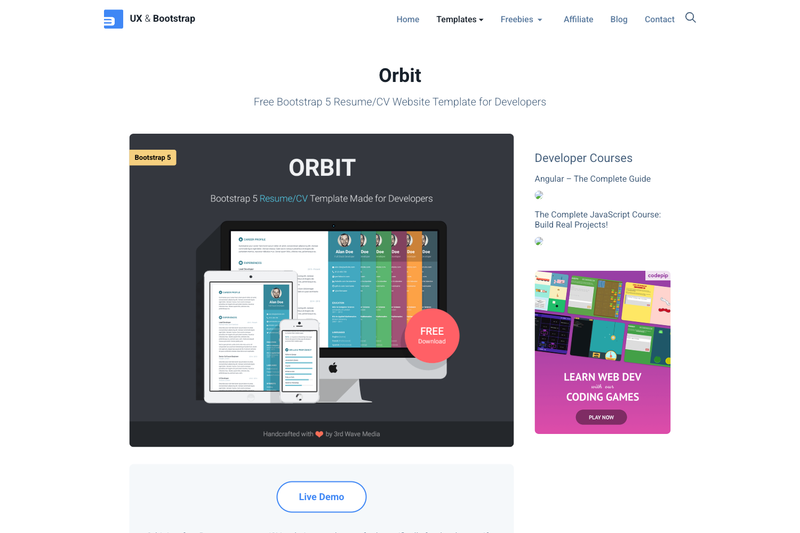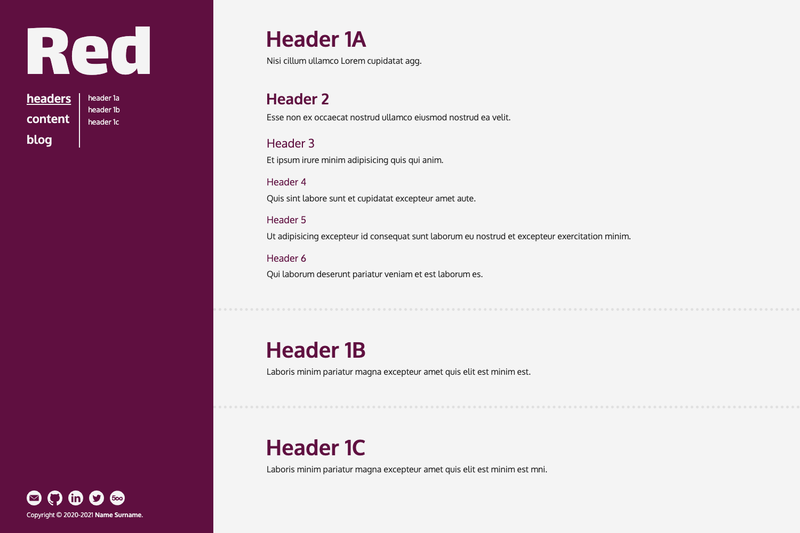
EuroZephyr is a data-driven, multi-language Hugo theme built on Tailwind CSS that turns structured resume data into static CV websites with Europass compatibility. The theme is developed by gbilder and hosted on Codeberg, where the public repository shows 26 commits, 2 branches, and a language mix of 83% HTML, 9.7% CSS, 5.2% Shell, 1.5% JavaScript, and 0.6% Makefile.
What is EuroZephyr?
EuroZephyr is a Hugo theme for generating resumes and CVs from structured data, with output styled for the European Europass CV format. It takes resume content stored in the data directory and produces a static HTML site through the standard Hugo build process. The project is maintained by gbilder on Codeberg and is distributed as a git repository that includes an exampleSite, an installer, a Makefile, and a theme.toml manifest with a link to a live demo site.
Key Features
EuroZephyr combines data-driven content, multilingual output, and Europass formatting in a single Hugo theme. The concrete capabilities visible in the repository are:
- Europass compatibility — formats CV content to align with the Europass standard used across European Union job applications and public-sector hiring.
- Multi-language support — ships with an
i18ntranslation directory; French translations were added through a merged pull request, and additional locales can be contributed the same way. - Data-driven architecture — resumes are filled from structured data files rather than page-level markup, separating content from layout.
- Tailwind CSS styling — the visual layer is built with Tailwind CSS, with precompiled output stored in the
tailwind-builddirectory. - Codeberg Pages deployment — the
docsfolder contains Codeberg Pages deployment instructions that were updated specifically for clarity and accuracy. - Example site and demo — an
exampleSitedirectory showcases the theme, andtheme.tomlreferences a live demo link. - Automated preview generation — a commit message documents a script that automates screenshot and thumbnail creation for preview materials.
- Build tooling — a Makefile drives common tasks, and an
installerdirectory supports setting up the theme inside a Hugo project.
Who is it for?
EuroZephyr serves three concrete audiences, each with a specific task:
- Job seekers in Europe — build a Europass-compatible CV that matches the formatting expectations of EU employers and public-sector institutions.
- Hugo developers — use the theme as a starting point for multilingual, data-driven Hugo sites and contribute translations or fixes via pull requests.
- Open-source maintainers — fork the Codeberg repository, adapt the theme to their own branding, and follow the documented Codeberg Pages workflow to publish it.
What can you do with EuroZephyr?
EuroZephyr supports three practical workflows, each built on documented parts of the repository:
- Publish a static CV website — store your work history and skills in the data files and generate a lightweight static resume site with Hugo, no server required.
- Serve a CV in multiple languages — manage translated strings in the
i18ndirectory and offer visitors the same resume in several languages. - Deploy to Codeberg Pages — use the deployment steps in the
docsfolder to publish the generated site on Codeberg Pages.
How does EuroZephyr work?
EuroZephyr follows the standard Hugo theme workflow: install the theme into a Hugo project (the installer directory assists with setup), fill the data directory with resume content, and run the Hugo build, using the Makefile for common tasks. The layouts directory renders content from the data files, while the i18n directory provides translated interface strings.