Newsletter
Join the Community
Subscribe to our newsletter for the latest news and updates

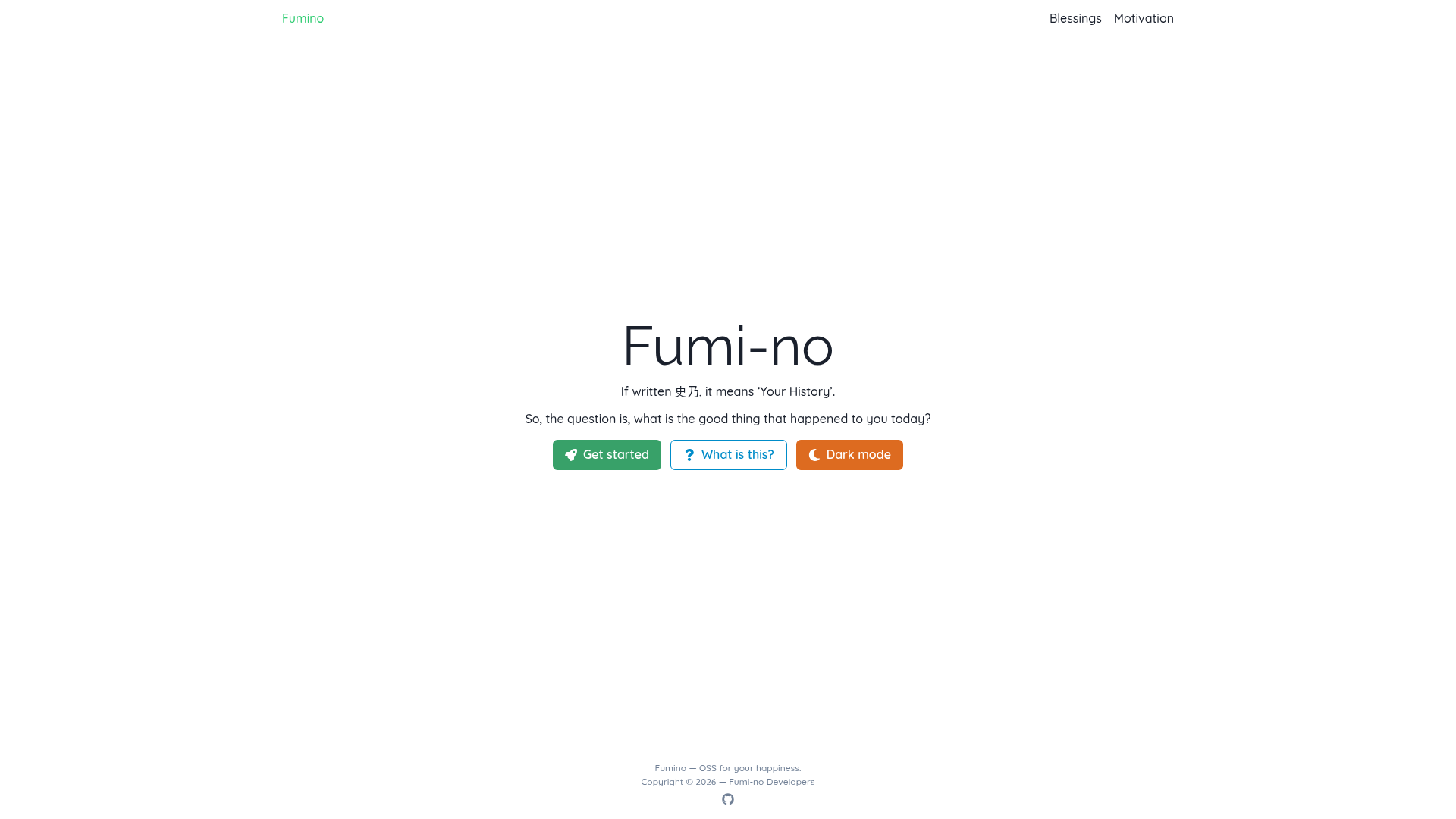
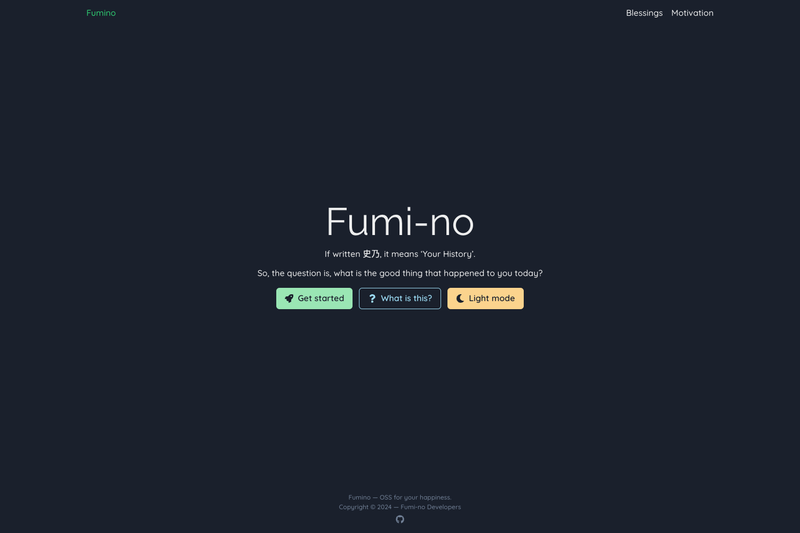
FOSS version of 'Happiness Jar', built with Next.js and Chakra UI. Application is live!
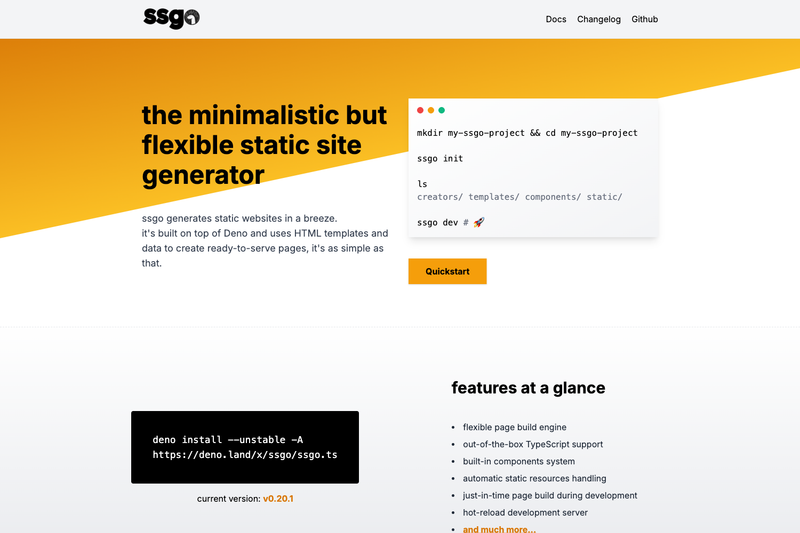
The minimalistic but flexible static site generator for Deno 🦕.
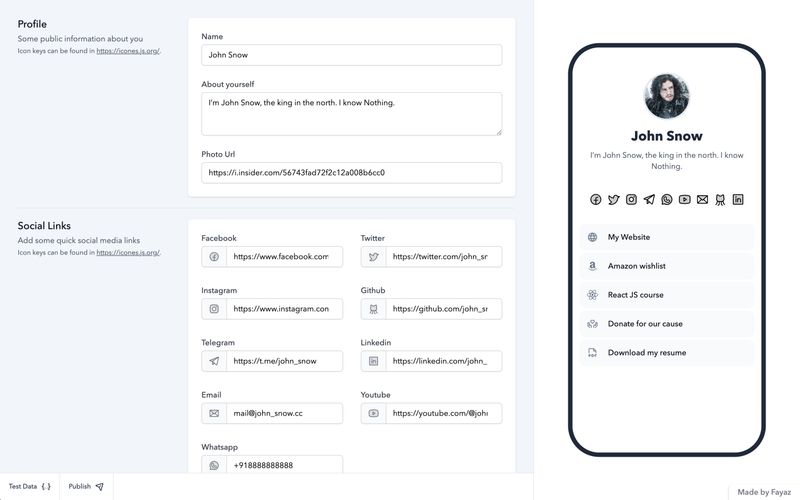
Onelink is an experimental link-in-bio tool built with Nuxt 3 where profile data lives in the URL as a base64 query parameter – no database required.
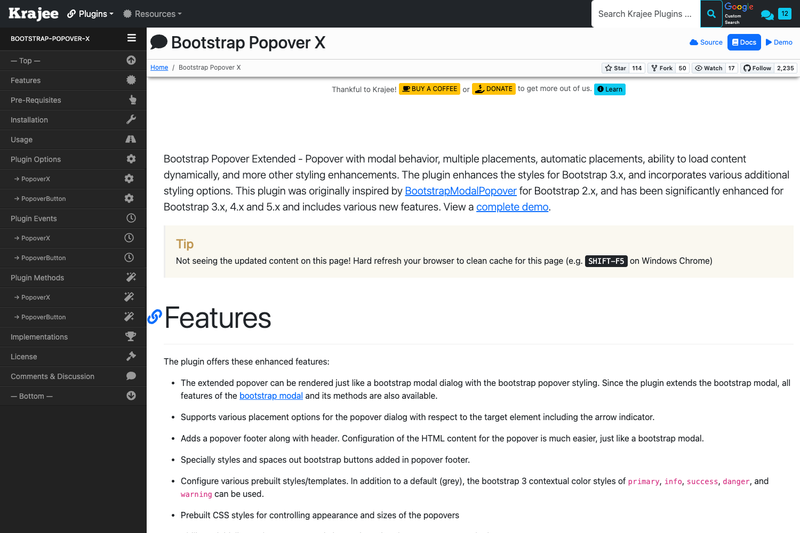
Bootstrap popover extended with modal properties and more.
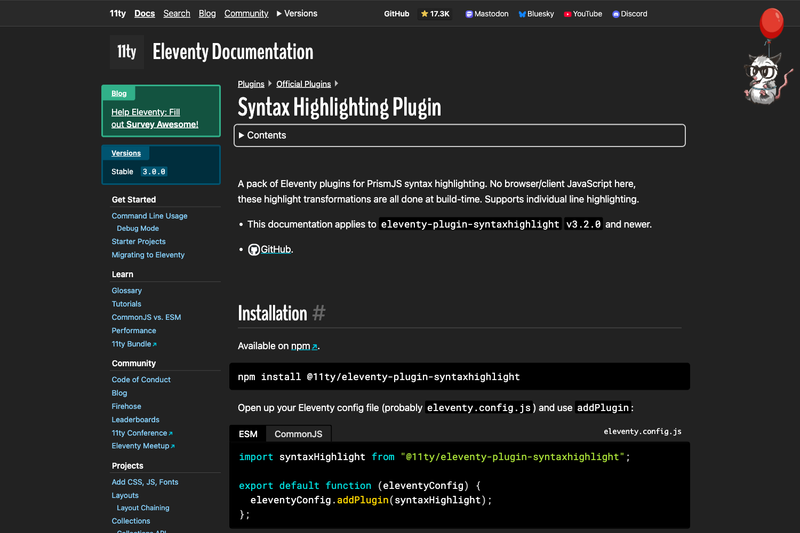
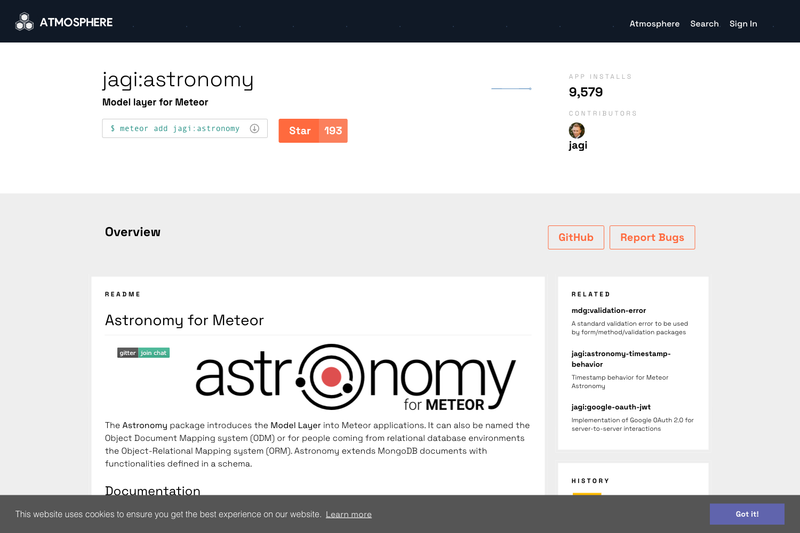
A pack of Eleventy plugins for syntax highlighting in Markdown, Liquid, and Nunjucks templates.
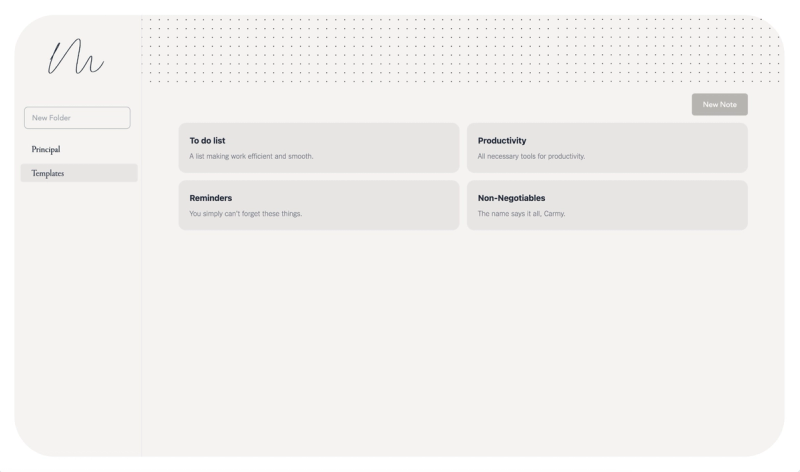
A self-hosted editor and note taking app.
Fumi-no is an open-source web version of the Happiness Jar — a gratitude journal that stores one daily note in your browser's local storage — built with Next.js and Chakra UI.
Fumi-no is a free, open-source web application that digitizes the Happiness Jar concept (also called Positivity Jar, Memory Jar, or Thank You Jar) popularized by Elizabeth Gilbert, author of 'Eat, Pray, Love'. It takes one daily note of gratitude or a positive experience as input, stores it in the browser's localStorage, and lets you revisit all saved notes whenever you need a mood boost. The application is written in strict TypeScript, uses Next.js for the front end, Chakra UI as the component framework, and is hosted on Vercel. It was created by lauslim12 and is licensed under the MIT License.
First, you write a short gratitude note and save it to the jar. The note is stored in the browser's local storage. To keep a backup, use the Manage Data function to copy the stored text and keep it anywhere; when switching devices, paste that text back and overwrite the defaults. The app requires Node.js 14+ and Yarn 1.22+ to run locally, and no settings are needed after installation.
Yes, Fumi-no is fully open source under the MIT License and free to use. There are no paid tiers or subscriptions mentioned in the repository.
Fumi-no stores your notes in your browser's localStorage. The developer explicitly states that they do not keep your data anywhere, so your notes remain on your own device.
Use the 'Manage Data' functionality in the app. It lets you copy your data as text, which you can store anywhere (for example, Google Drive). When you switch devices, paste the saved data back and overwrite the defaults.
Yes. Clone the repository from GitHub, install dependencies with Yarn, and run it in development or production mode. You can also build a Docker image or pull the existing image from Docker Hub.