Newsletter
Join the Community
Subscribe to our newsletter for the latest news and updates

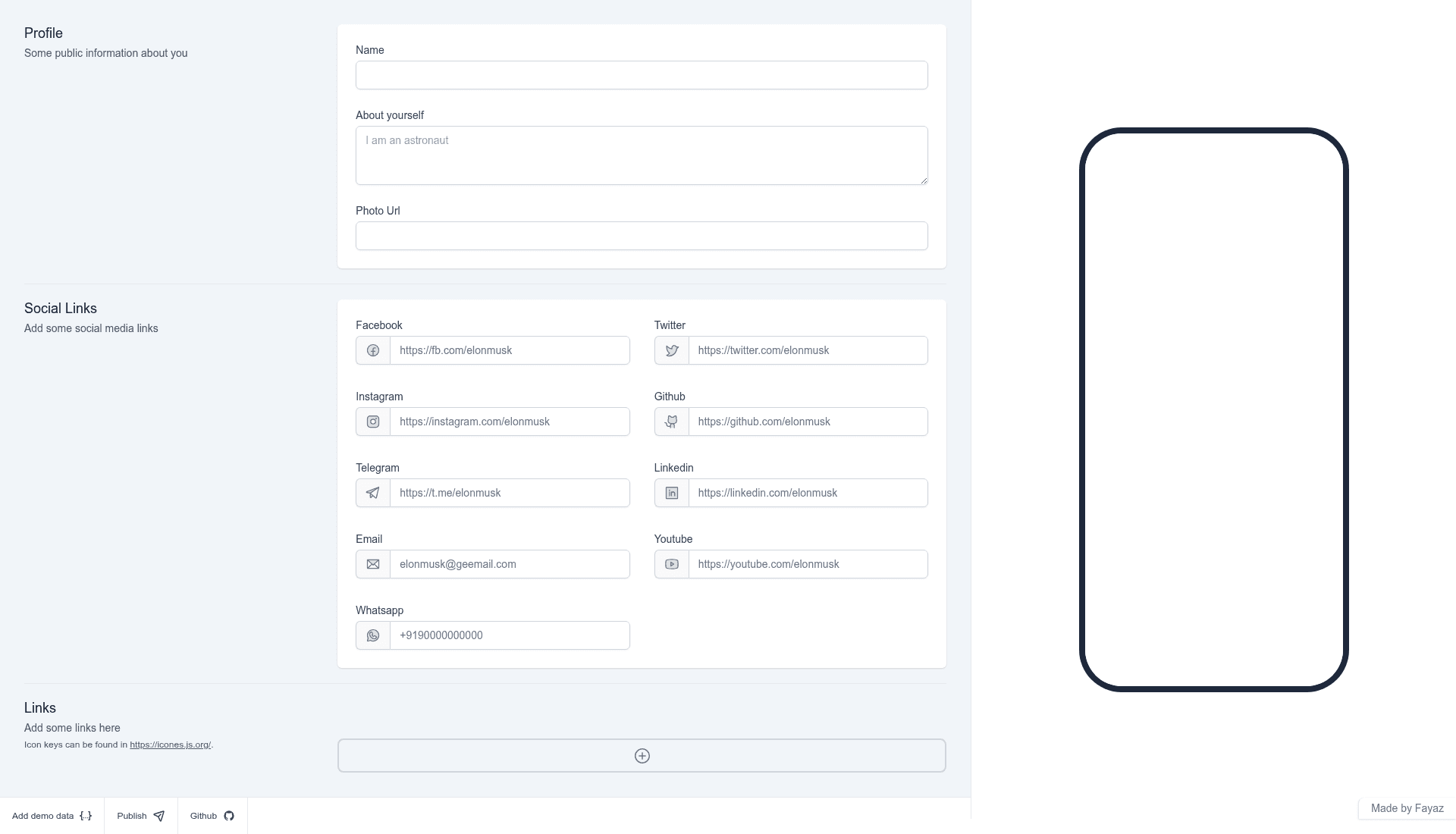
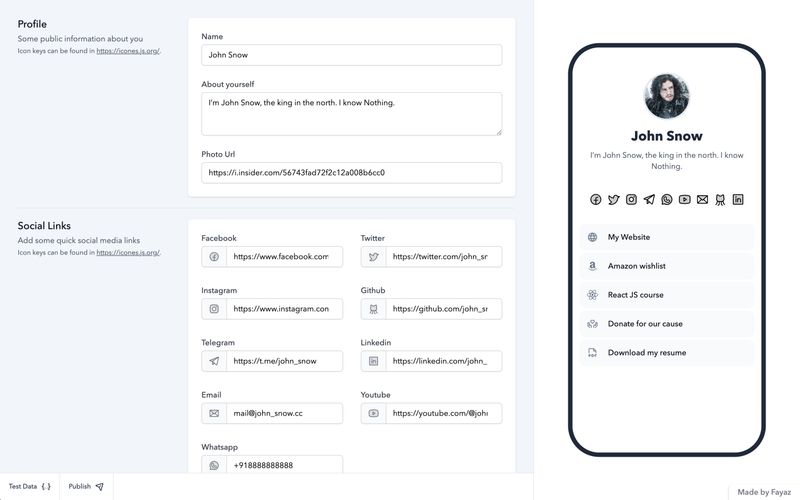
Onelink is an experimental link-in-bio tool built with Nuxt 3 where profile data lives in the URL as a base64 query parameter – no database required.
Nuxt module that validates rendered HTML using html-validate to catch errors and accessibility issues.
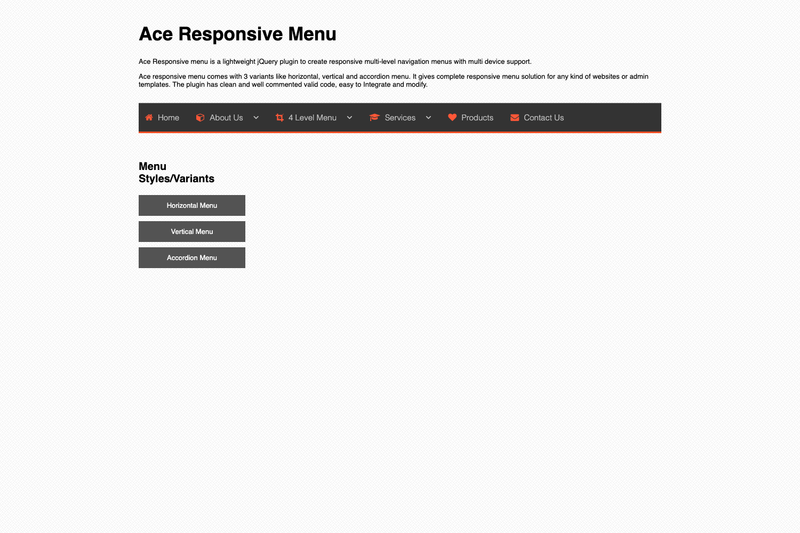
Ace responsive menu is a lightweight jQuery plugin to create responsive multi-level navigation menus with multi device support.
The minimalistic but flexible static site generator for Deno 🦕.
Bootstrap popover extended with modal properties and more.
Onelink is an experimental link-in-bio tool built with Nuxt 3 that encodes a whole profile into a single URL as a base64 query parameter, removing the need for any database.
Onelink is a link-in-bio page generator where the profile data lives entirely in the URL. It takes JSON profile data, encodes it to base64, appends it as the data query parameter, and renders a shareable page. The application runs on Nuxt 3 and can be deployed to any Node hosting; the demo runs on Vercel. The repository is public on GitHub and has over 1,000 stars.
n for name, d for description, l for links) to keep URLs as short as possible./1) chooses which template renders the page, and the roadmap calls for adding more templates.ph, ant-design, grommet-icons, and iconoir), so icons are rendered without storing image files.dev, build, preview), and designed to deploy to Vercel or other Node platforms.Onelink suits developers experimenting with URL-based state, creators who want a database-less link-in-bio page, and anyone learning Nuxt 3 by reading a minimal full-stack example. Developers can study how to serialize complex data into a compact string; creators can host a profile page for free on a static platform; learners can extend the project with new templates and features.
Onelink stores profile data as compact JSON, converts that JSON to a base64 string, and places it in the data query parameter of the page URL. When the page loads, Nuxt 3 decodes the parameter, parses the JSON, and renders the profile UI. The numeric path segment (for example /1) selects which template to use for rendering.
Linktree is a popular hosted link-in-bio service that stores profiles on its own servers, whereas Onelink keeps everything in the URL.
The source code is publicly available on GitHub, so you can self-host it without paying a fee. You only pay for whatever hosting you choose, such as a free Vercel tier.
Onelink turns profile data that you encode into a base64 URL into a shareable link-in-bio web page. It eliminates the need for a database by storing all information inside the link itself.
No. All the profile data is stored in the URL as a base64-encoded JSON string, so the app requires no database, no auth, and no server-side storage.
The project documentation notes that the URL can become very long and advises using a link shortener such as dub.co to make links more shareable.