Newsletter
Join the Community
Subscribe to our newsletter for the latest news and updates

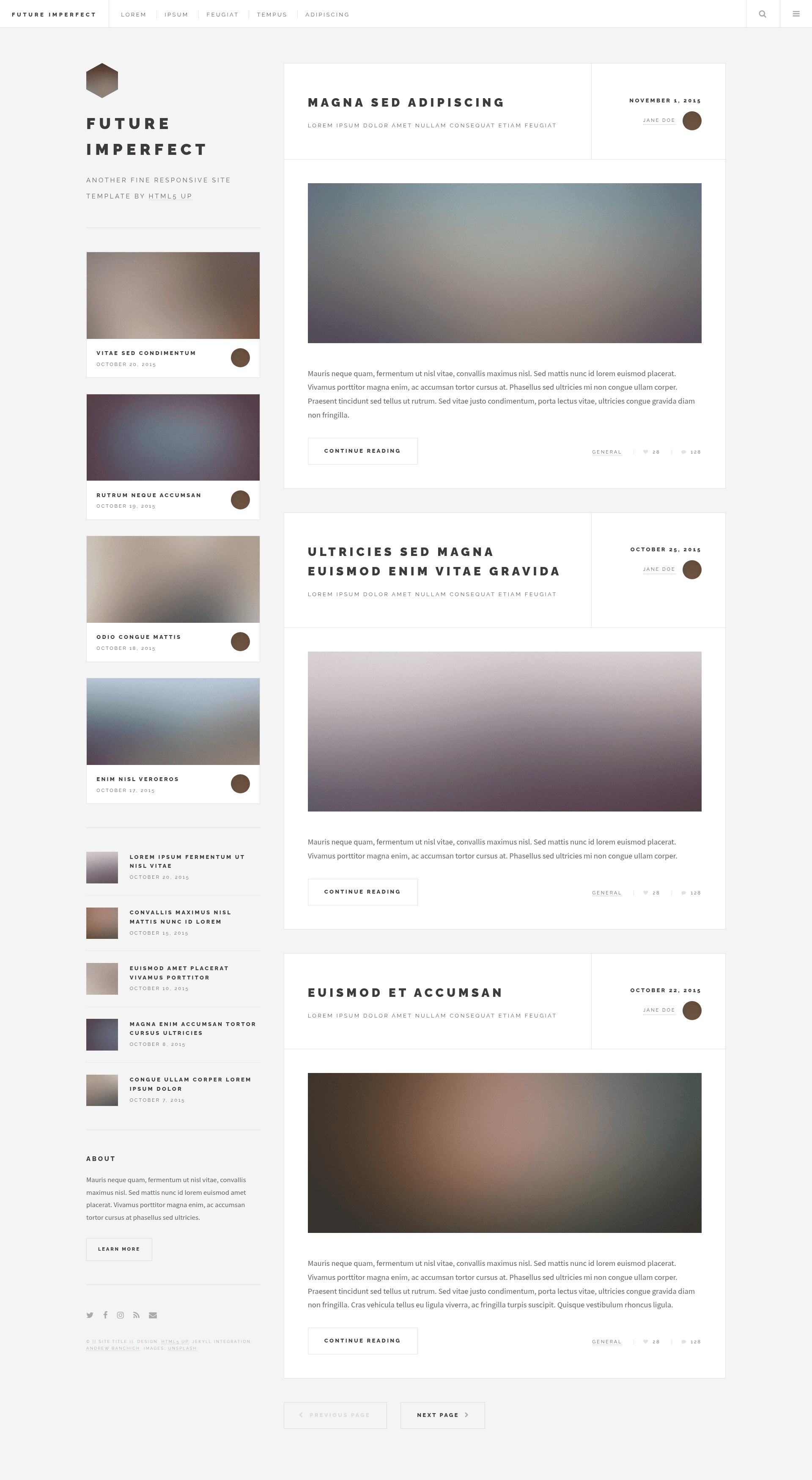
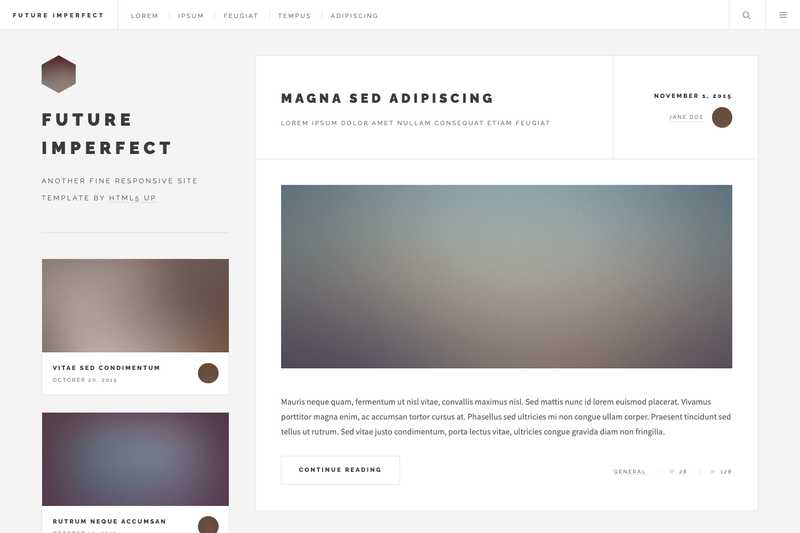
A Jekyll port of the HTML5 UP 'Future Imperfect' blog theme with a clean, responsive flexbox layout.
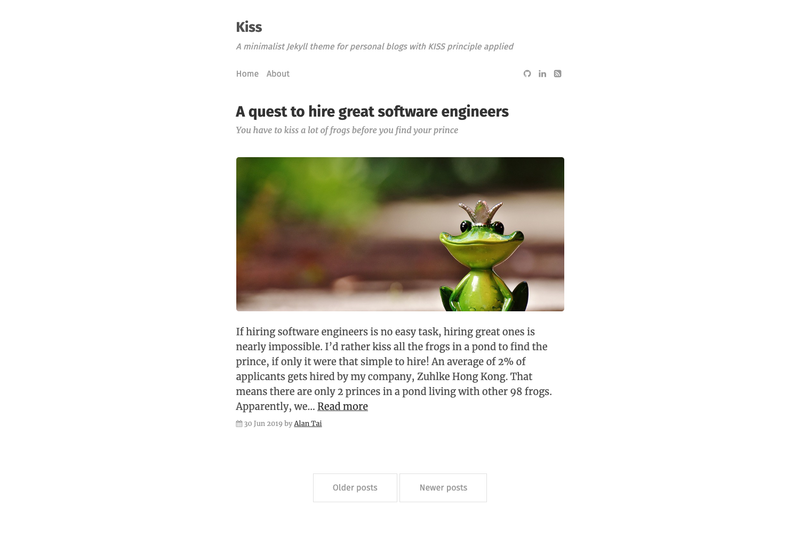
A minimalist Jekyll theme for personal blogs, applying the KISS principle and compatible with GitHub Pages.
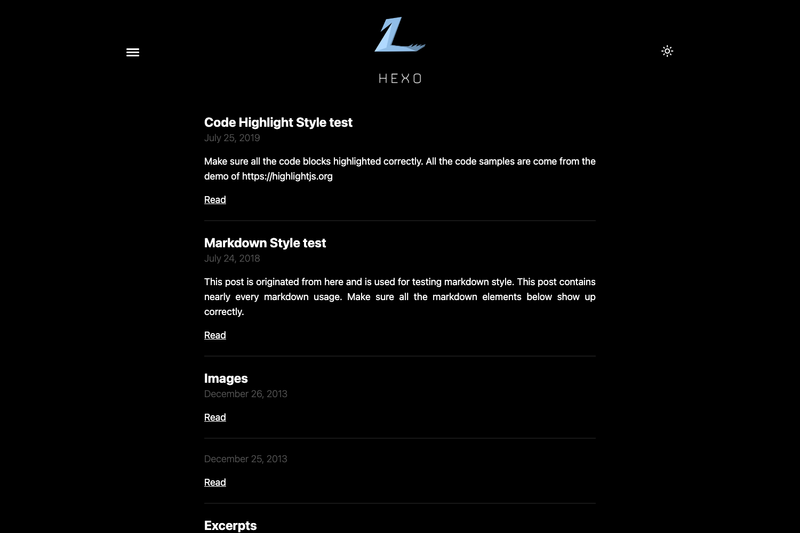
Modern, minimalistic, stylish and dark Hexo theme for blogs.

A personal Jekyll blog for self-quantification and personal improvement, syncing with Beeminder goal tracking.
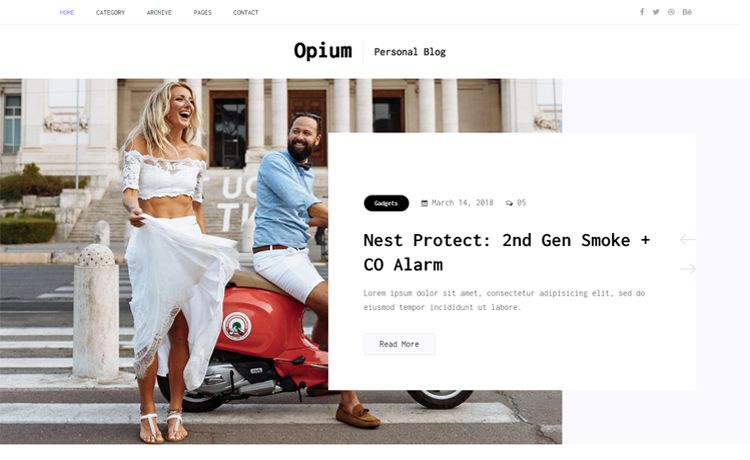
Free Bootstrap 4 HTML5 personal blog template with slider banner, Instagram feed, newsletter form, and PHP/Ajax contact form.
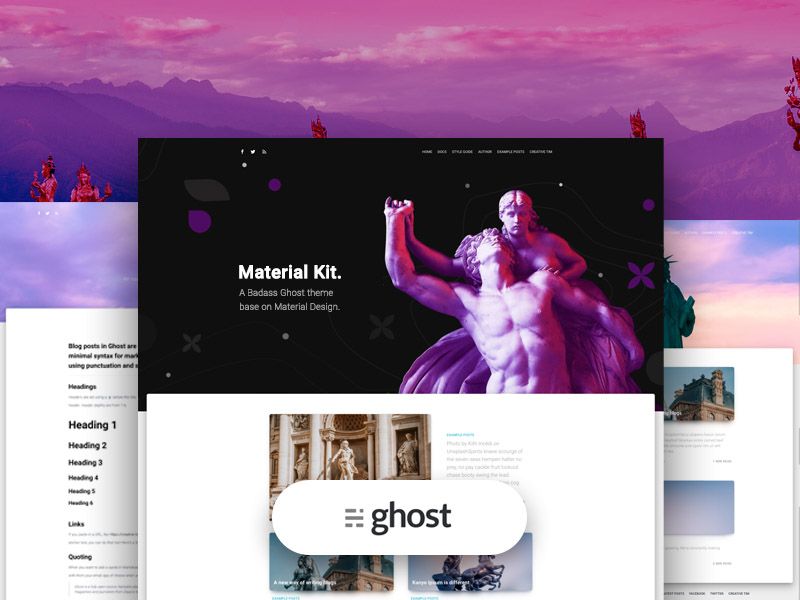
Free MIT-licensed Ghost theme with Material Design components and Handlebars templates.
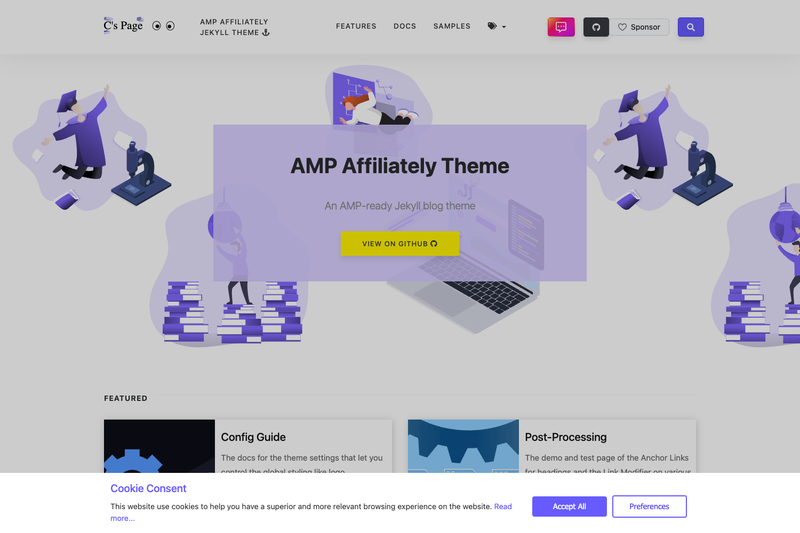
An AMP-Ready Jekyll Blog Theme
Future Imperfect is a Jekyll port of the HTML5 UP blog theme of the same name, turning the original static HTML template into a fully Jekyll-powered blog with posts, pages, and a toggleable search box. The theme is maintained by Andrew Banchich, hosted on GitLab as the primary repository, with a GitHub mirror for convenience. It is distributed free of charge under the Creative Commons Attribution 3.0 (CCA 3.0) license, the same license used by the original HTML5 UP design.
Future Imperfect is a blog-style Jekyll theme that accepts Markdown content via Jekyll's standard front matter and outputs a multi-page static site. The layout uses flexbox extensively, which the original author noted is feasible because modern browsers support it. It includes a toggleable search box, a large header image area, and a responsive grid for displaying posts. The theme supports the standard Jekyll workflow: posts go in the _posts folder, pages use front matter, and configuration is handled in _config.yml.
_config.yml; for GitHub Pages, create a gh-pages branch._posts and have them rendered into the flexbox-based layout.gh-pages branch, and edit _config.yml to publish the site live.The README explains a straightforward workflow. For GitLab, you simply fork the repository and start editing _config.yml. For GitHub, you fork the repository, create a branch named gh-pages, then edit _config.yml. The site is then rebuilt by Jekyll whenever you push changes.
Future Imperfect is free to use under the Creative Commons Attribution 3.0 license. No pricing tiers or paid plans are mentioned.
Yes, Future Imperfect is free for personal and commercial use under the CCA 3.0 license, as stated in the original HTML5 UP credits. The Jekyll port carries the same licensing.
Fork the repository on GitHub, create a branch named gh-pages, and start editing the _config.yml file. Jekyll will build the site from that branch automatically.
No. The demo images from Unsplash are used in the preview only and are not included in the repository, per the HTML5 UP credits.
Yes. The theme uses SCSS, so you can modify variables and partials. Icons come from Font Awesome, and standard Jekyll front matter controls posts and pages.
Issue reporting happens on the GitLab repository, or via email to the maintainer's incoming GitLab address. The GitHub repository is simply a mirror.