Newsletter
Join the Community
Subscribe to our newsletter for the latest news and updates

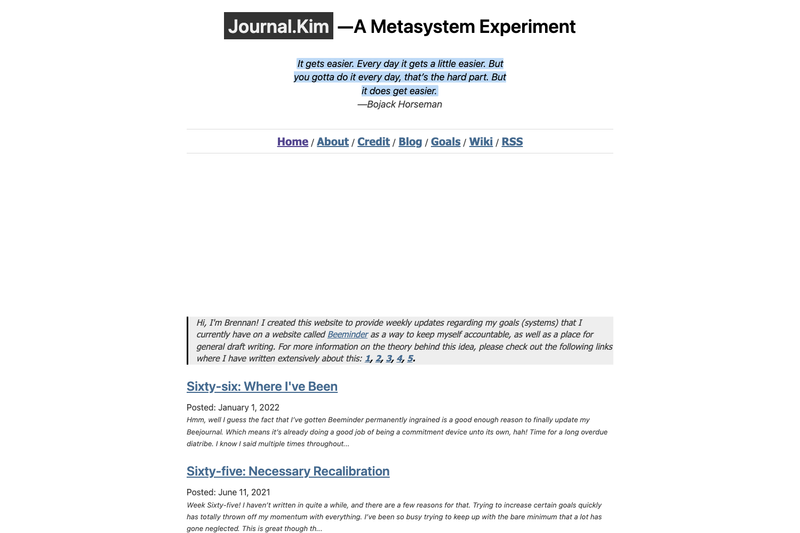
A personal Jekyll blog for self-quantification and personal improvement, syncing with Beeminder goal tracking.
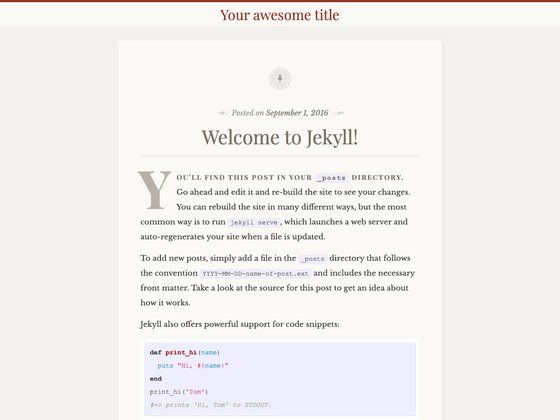
A responsive one-column Jekyll theme with classic styling and typographic details, ported from the WordPress theme.
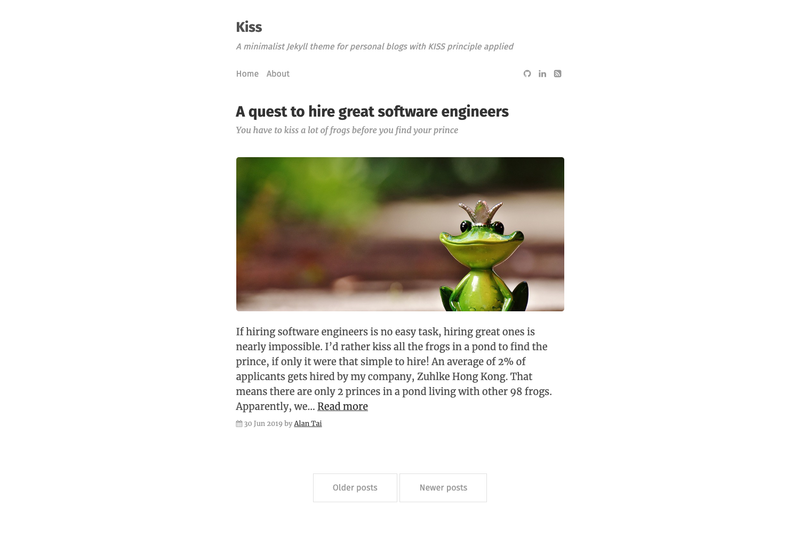
A minimalist Jekyll theme for personal blogs, applying the KISS principle and compatible with GitHub Pages.
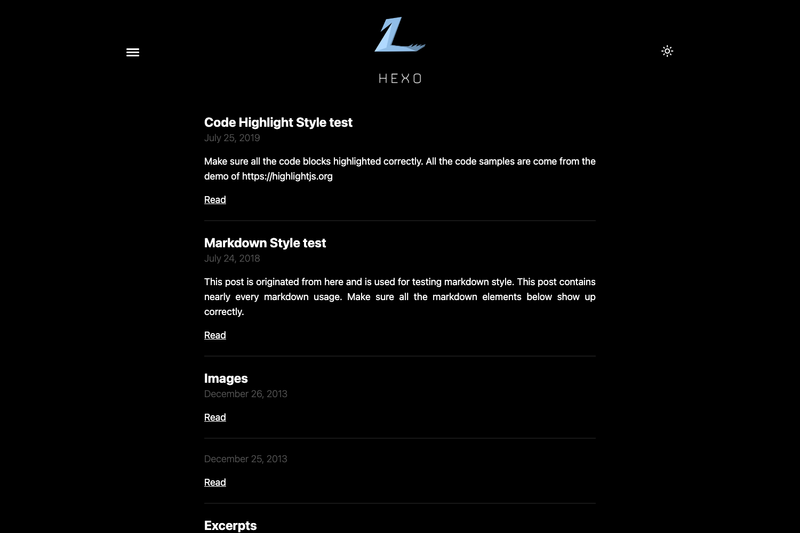
Modern, minimalistic, stylish and dark Hexo theme for blogs.

A Jekyll port of the HTML5 UP 'Future Imperfect' blog theme with a clean, responsive flexbox layout.
Journalbar is a Jekyll-powered personal blog for self-quantification, built to publish weekly progress reports on goals tracked in Beeminder.
Journalbar is a static blog template created by Brennan Brown for publishing weekly updates on personal goals tracked through Beeminder. It takes Beeminder goal data and reflective written summaries as input, and produces a cleanly styled, static Jekyll site that can be hosted on Netlify or any Jekyll-compatible host. The project runs on Jekyll 4.3.4 with modern dependencies and is distributed as an open-source GitHub repository.
bundle exec jekyll serve --livereload refreshes the browser automatically on each source change.bundle install, then start the local server with bundle exec jekyll serve.To set up Journalbar, install the prerequisites (Ruby 2.7.0 or higher, RubyGems, GCC and Make), then run gem install jekyll bundler, clone the repository, run bundle install, and start a local server with bundle exec jekyll serve. Once running, browse to http://localhost:4000 to see the site; use the --livereload flag to auto-refresh during development.
Yes, Journalbar is open-source and available for free on GitHub. The repository can be cloned and used for any personal website; the author also accepts donations via Ko-fi and GitHub Sponsors.
No, a Beeminder account isn't required to run the blog, but the template is designed around sharing Beeminder goal progress. If you don't use Beeminder, you can still use it as a regular Jekyll blog.
Jekyll requires Ruby version 2.7.0 or higher (3.0+ recommended), RubyGems, and GCC and Make. The site itself runs on any static hosting platform such as Netlify or GitHub Pages.