Newsletter
Join the Community
Subscribe to our newsletter for the latest news and updates

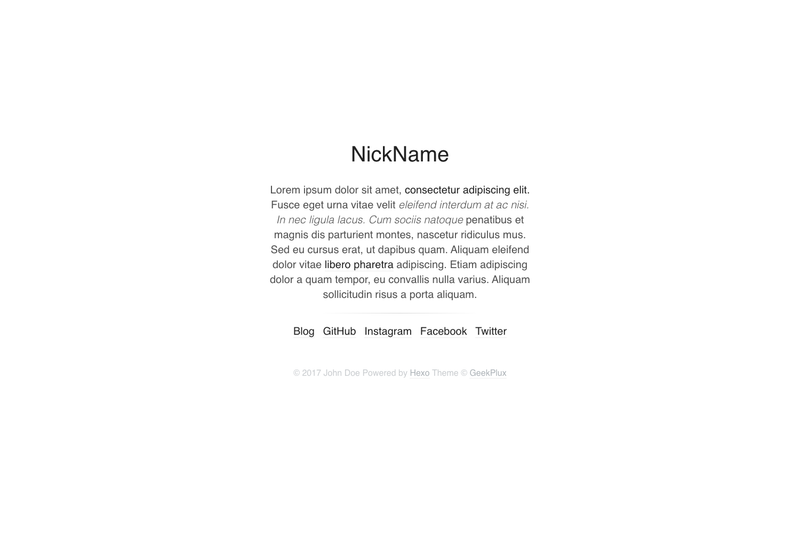
Jekyll website template that auto-posts YouTube videos and shows Steam player status, deployable to Google Cloud and GitHub Pages.
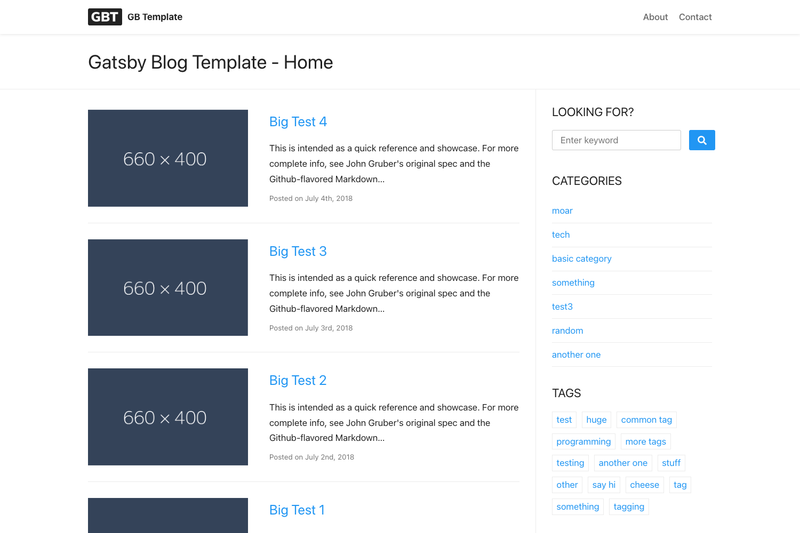
A GatsbyJS Blog Template for blogging purposes.
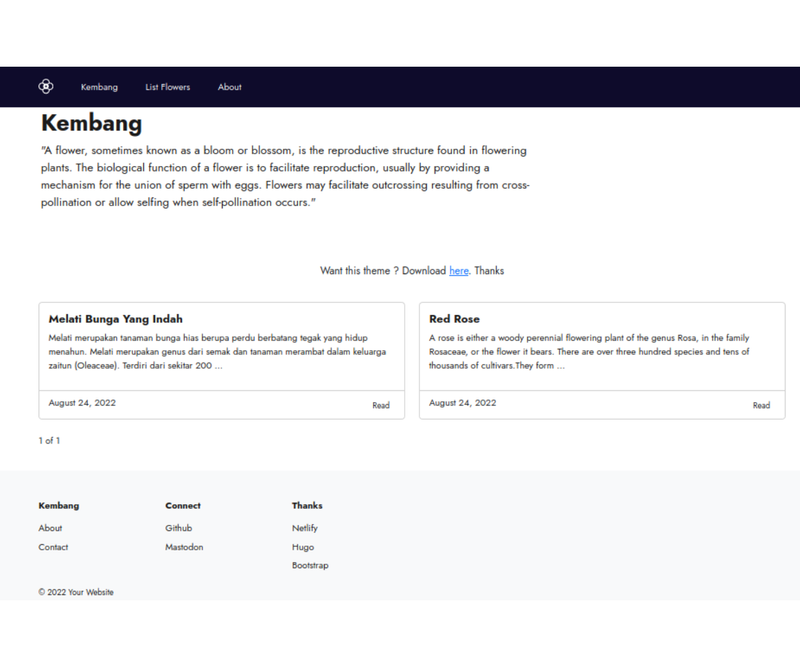
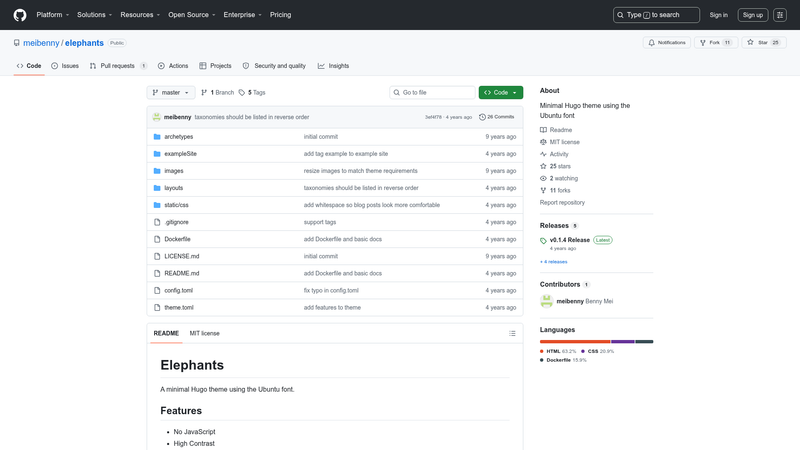
A minimal Hugo blogging theme built with Bootstrap 5.2, fully responsive, with About, Tags, and List pages.
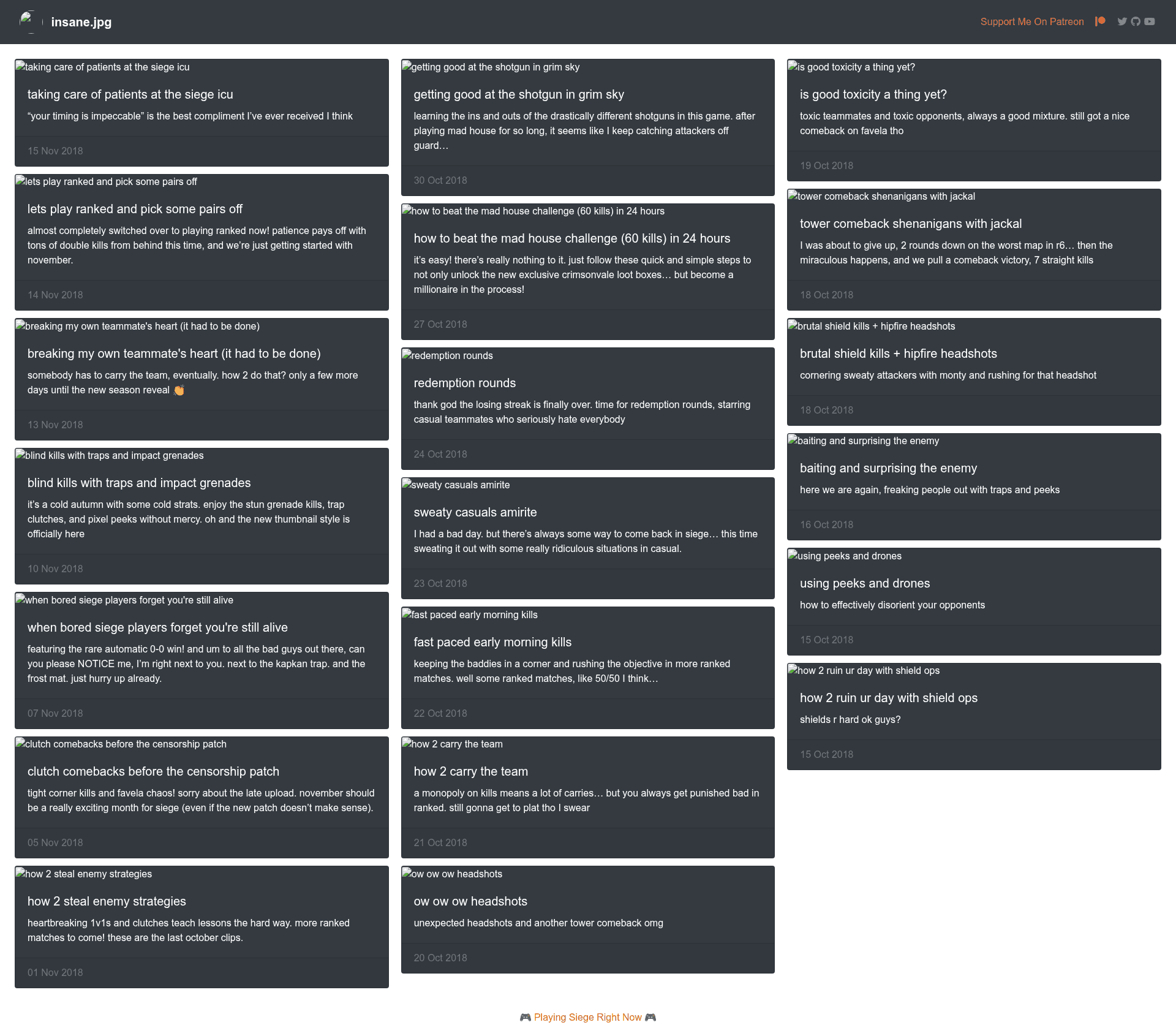
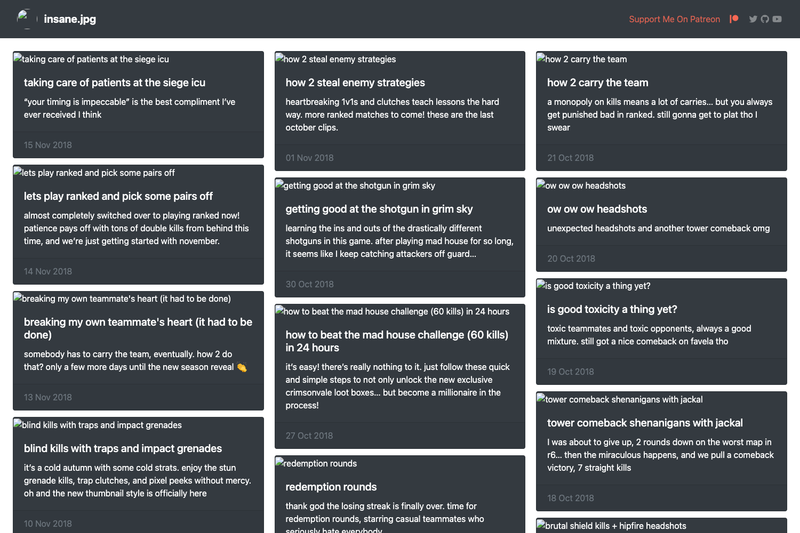
Insane.pink is a Jekyll-powered static website template built for insane.jpg, a YouTube channel focused on Rainbow Six Siege videos, and it exists to automatically turn each new YouTube upload into a blog post on the site.
Insane.pink is a Jekyll static site generator project created by Julian Weiss (insanj) as the companion website for his insane.jpg Siege YouTube videos. It takes a YouTube channel feed as input via a Node.js sync script and produces a static blog-style site with posts for each video, along with a live Steam player card. The site runs on Jekyll with a Ruby environment and is designed for deployment to Google Cloud App Engine (insane.pw) or GitHub Pages (insane.pink). The repository also documents alternative Google Cloud setups using Docker custom environments and Cloud Storage buckets.
bundle exec jekyll serve, or built to static files with bundle exec jekyll build.npm run youtube executes insane_sync.js, which creates a new post from the latest insane.jpg YouTube video, so the site stays current without manual posting.GetPlayerSummaries endpoint to display player status, last logoff, avatar, and currently played game (e.g., Tom Clancy's Rainbow Six Siege).npm run youtube after publishing a video to instantly generate a new Jekyll post matching the latest upload on insane.jpg.The workflow is documented in the README's Usage section. First, install dependencies with bundle install, then serve the development site with npm start (which runs bundle exec jekyll serve) or build production files with npm run build. To pull in new video content, run npm run youtube to execute the Node.js sync script that creates a new post from the latest YouTube video. Deployment is handled by jekyll build --destination docs && gcloud app deploy, which generates a static site for GitHub Pages and uploads to Google Cloud.
Yes, the source code is licensed under GPL-3.0, so you can freely use, modify, and distribute it with the same license. The GitHub repository is public.
The insane_sync.js script, run via npm run youtube, fetches the latest video from the YouTube channel and creates a new Jekyll post from it. This automates updating the site's video blog content.
Only if you want to use the Steam player integration. The README explains how to register a free Steam API key at the Steam Dev Community and replace the sample SteamID64 (76561198017375926) with your own.
insane.pw is the production site deployed on Google Cloud App Engine, while insane.pink is the development site hosted on GitHub Pages. Both serve the same Jekyll project, but they use different hosting services and the production site uses the barber-jekyll theme.