Newsletter
Join the Community
Subscribe to our newsletter for the latest news and updates

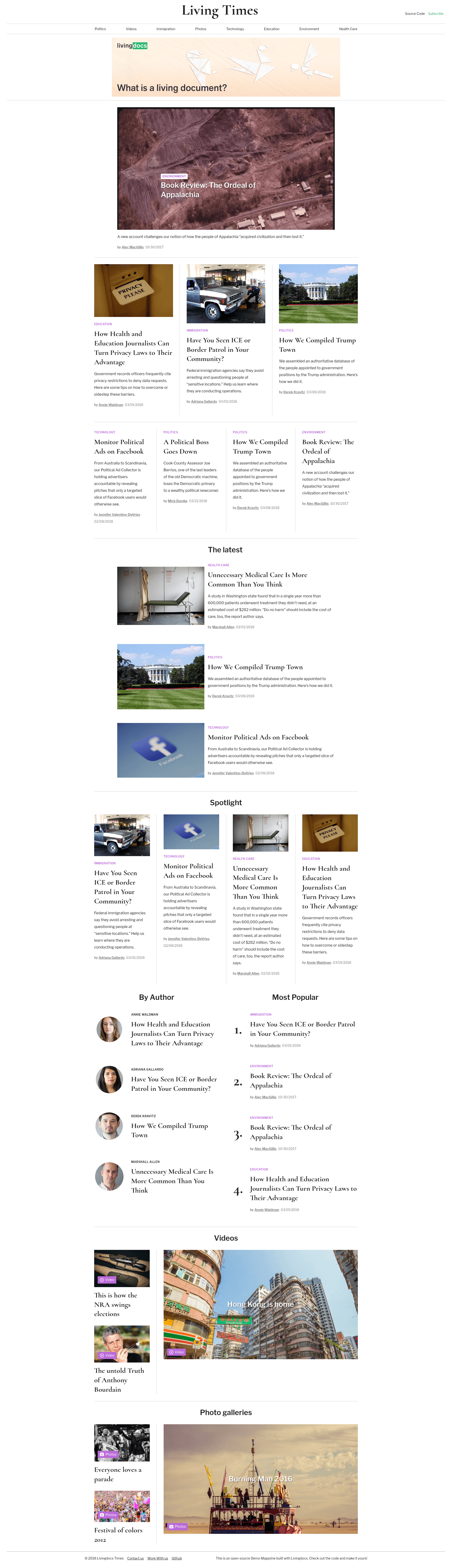
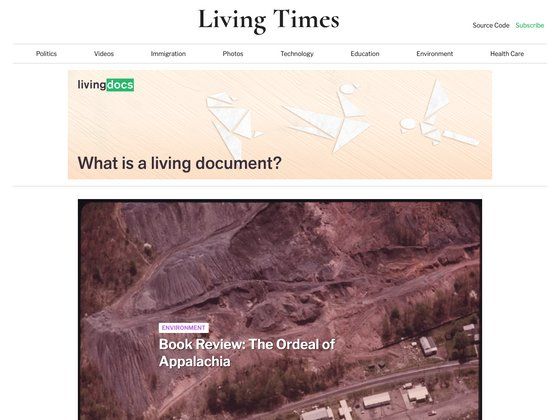
Open-source demo magazine starter built with Livingdocs headless CMS and Gatsby/React, ready to deploy to Netlify.

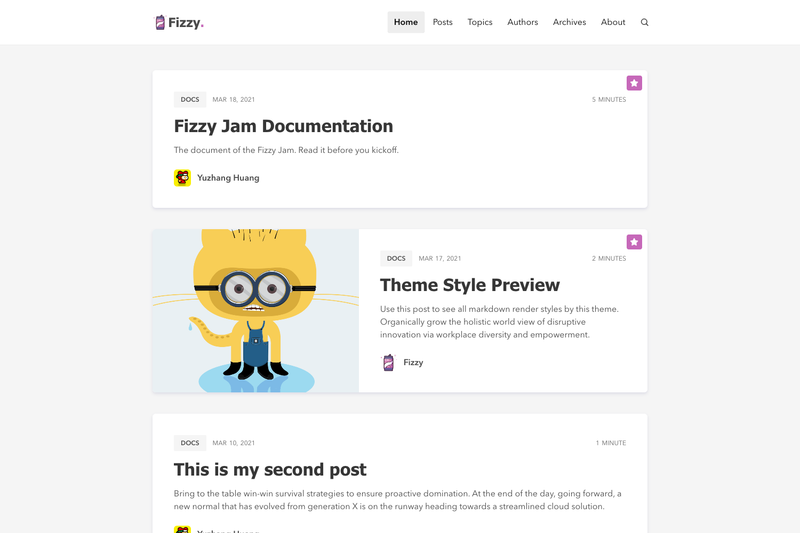
An Astro blog theme built on Chinese typographic norms, offering fast, responsive, SEO-friendly blogging with i18n and dark mode.
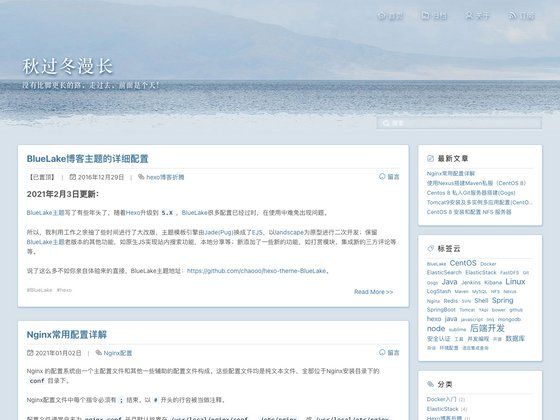
A simple, lightweight responsive Hexo blog theme with dark/light modes and multiple comment system integrations.
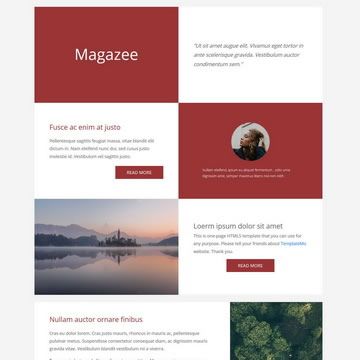
Magazee is a free one-page HTML5 Bootstrap v4 template with alternating blocks and a red color theme.
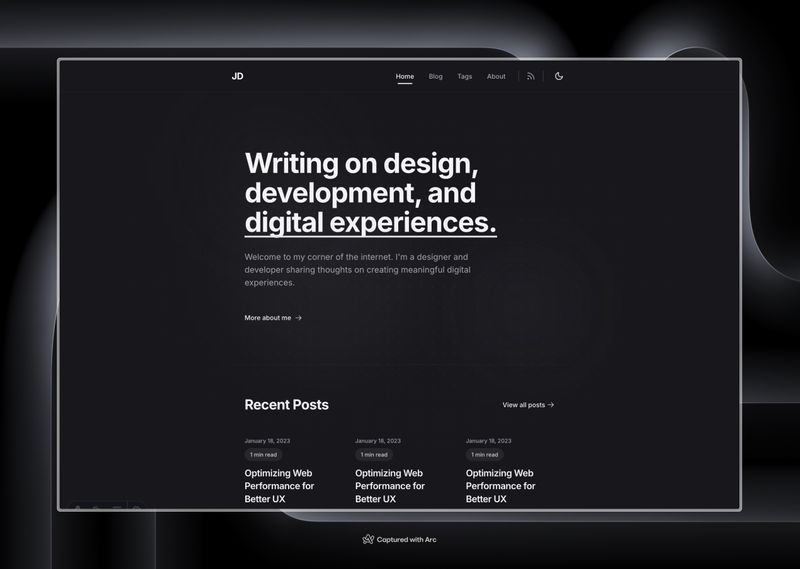
A modern, minimalist, high-performance blog platform built with Astro.js.
Gatsby Magazine Example is an open-source magazine starter built with Gatsby and React that connects to the Livingdocs headless CMS, pulling articles and author content into a static site via a GraphQL schema generated at build time. It gives you a pre-styled magazine front end with SEO metadata, sitemap, robots.txt, and PWA support, and it is designed for small setups of 100 to 5000 articles or proof-of-concept projects. The live demo runs at magazine-example.livingdocs.io.
Gatsby Magazine Example is a starter repository maintained by Livingdocs to demonstrate how to build a front end for a Livingdocs content project with Gatsby. It takes a Livingdocs project's public API token, and at build time the gatsby-source-livingdocs plugin requests content from Livingdocs and converts the returned JSON into a queryable GraphQL schema. Using that schema, gatsby-node.js programmatically creates article pages, author pages, and regular pages from templates in the src/templates directory. The starter assumes no custom Livingdocs configuration and uses the Livingdocs magazine-component library for the design.
Start by cloning the repository and installing dependencies with npm install, then swap the placeholder API key in gatsby-config.js for your own Livingdocs access token (typically set as an environment variable). Running gatsby develop starts a local server and a GraphiQL interface for querying the content. When you are ready, gatsby build creates a static site that you can preview with gatsby serve on localhost:9000 or deploy to a hosting service.
Yes, the repository is open-source and described in the repository metadata as an open-source demo magazine. The code is freely available to clone, modify, and deploy.
The README states that the starter has been tested with Node 8.12.0, so any recent Node.js release from that version onward should work for local development and builds.
The documentation explicitly says the setup works well for small setups of 100 to 5000 articles or for proof of concepts where you want to see results quickly. For larger enterprise use cases, Livingdocs asks you to contact them.
Yes. The README mentions deployment is not limited to Netlify and works with services such as ZEIT Now. You can also do a manual deployment by dropping your public folder onto any static host.
Yes. The layout and article components set up all necessary data for Google, Facebook, and Twitter within the head component. The starter also includes gatsby-plugin-sitemap, gatsby-plugin-robots-txt, and gatsby-plugin-manifest to generate sitemap.xml, robots.txt, and a PWA manifest respectively.