Gatsby Netlify CMS is an open-source example website built with Gatsby V2 and Netlify CMS that models a JavaScript meetup group, showing how to structure a Gatsby project with a CMS backend.
What is Gatsby Netlify CMS?
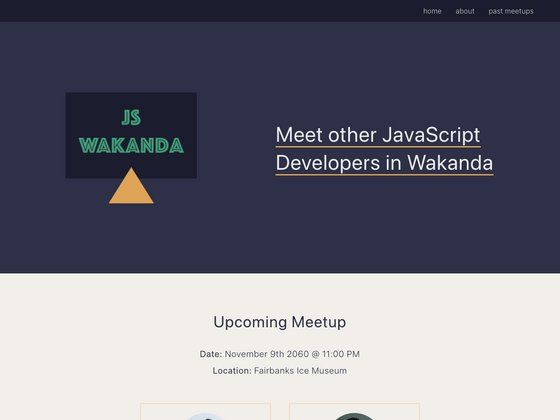
Gatsby Netlify CMS is an example website built with Gatsby V2 and Netlify CMS that represents a fake JavaScript meetup group. The site includes pages to list upcoming meetups and past meetups, plus information about the meetup group itself. Its primary purpose is to serve as a reference for how a Gatsby project is structured alongside Netlify CMS, and you can deploy your own instance to Netlify using the one-click deploy button. The repository is maintained by robertcoopercode and has 163 stars on GitHub.
What makes Gatsby Netlify CMS stand out?
- Gatsby V2 foundation — The site runs on Gatsby V2, a React-based static site generator, producing a static front end that can be served anywhere.
- Netlify CMS integration — Netlify CMS provides an editing interface for site content, letting editors update meetups without touching code.
- Meetup-focused page structure — The project includes page types for upcoming meetups, past meetups, and group information, so you can see how each content type maps to a page.
- One-click Netlify deployment — A deploy button in the README creates a live copy of the repository on Netlify from the GitHub URL.
- Yarn-based local workflow — The project uses Yarn, with
yarn developfor the development server andyarn buildplusyarn servefor production builds and local CMS testing. - Built on the official starter — This example began from Gatsby Starter Netlify CMS, which already includes a blog.
Who should use Gatsby Netlify CMS?
Developers who want to learn how Gatsby V2 and Netlify CMS work together will find a complete, runnable example here. It is also a useful reference for developers building content-managed static sites who want to inspect a real project structure. Technical editors or meetup organizers can see how a CMS can power event listings, though the site is mock content rather than a production-ready template. The example also suits open-source contributors looking for a small, readable codebase to study.
What can you do with Gatsby Netlify CMS?
- Publish a meetup listing site: Replace the mock meetup data with your own upcoming and past events and deploy the result to Netlify.
- Learn Gatsby and Netlify CMS integration: Run the project locally, follow the setup steps, and trace how CMS content flows into the static pages.
- Spin up a live test instance: Use the Netlify deploy button to create a working instance immediately without a local checkout.
How does Gatsby Netlify CMS work?
The site uses Gatsby to build static pages from content managed by Netlify CMS. To run it locally, clone the repository, install dependencies with Yarn, and start the development server with yarn develop. For local CMS testing, you must run a production build (yarn build) and serve it (yarn serve) because the CMS editing interface loads from the built site. The Netlify CMS configuration follows the Netlify CMS docs.
FAQ
What is the tech stack?
The project uses Gatsby V2 as the React-based static site generator and Netlify CMS for content management. There is no explicit styling system mentioned in the repository; the focus is on the Gatsby and CMS integration.
Do I need a Netlify account to deploy it?
Yes, because the one-click deploy button creates a new site in Netlify. You need a Netlify account to complete the deployment process.
Is the content real?
No, the site is a fake JavaScript meetup site. The content is sample data meant to demonstrate how to structure meetup listings and group information.
How do I test the CMS locally?
Run yarn build to create a production build, then run yarn serve. The CMS interface is only available when the site is served from the production build, not on the development server.
What is the relationship to the official starter?
This repository was started from the official Gatsby and Netlify CMS starter, which includes a blog section. The example here extends it with meetup-focused pages.