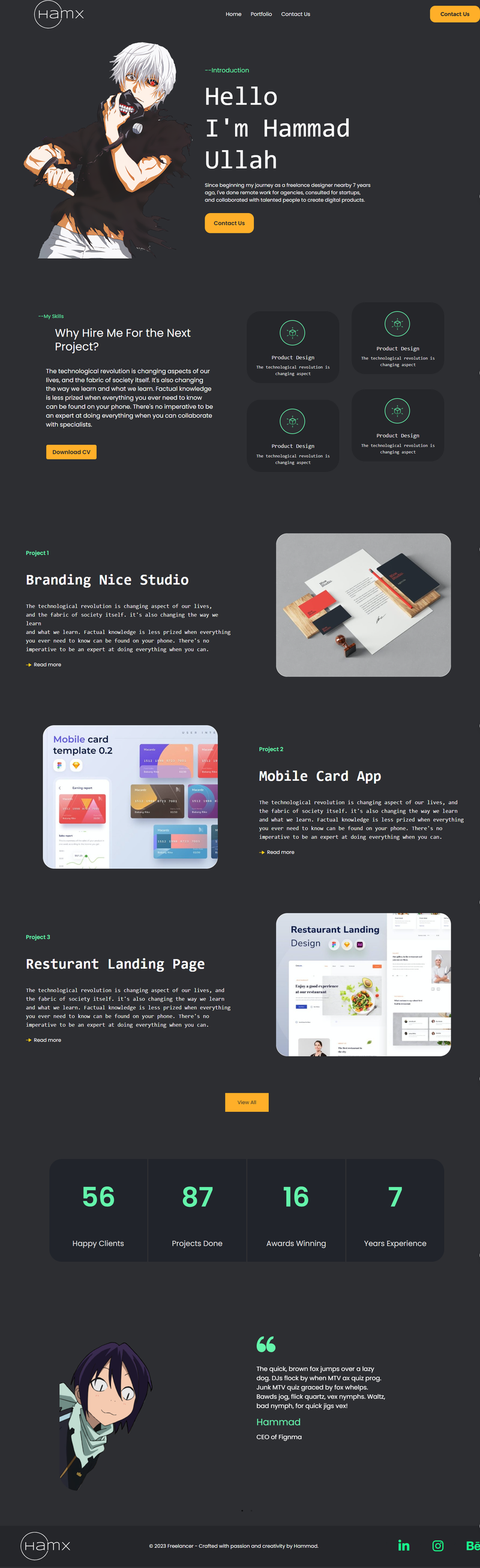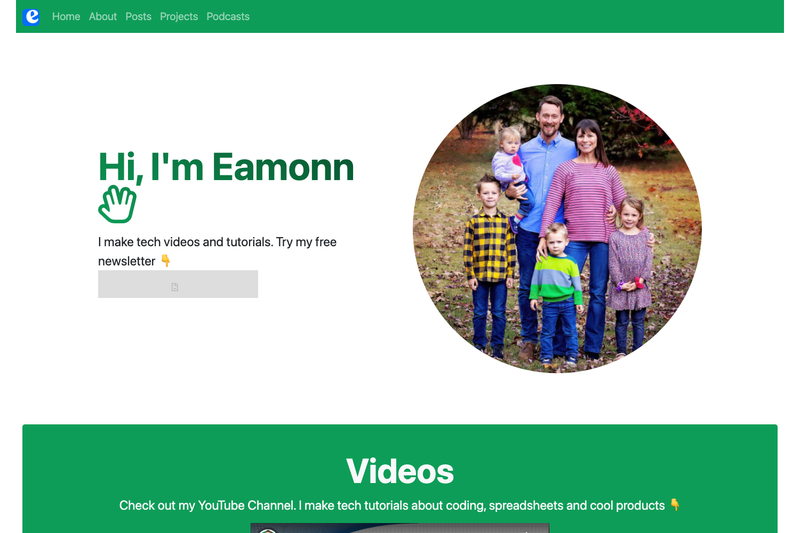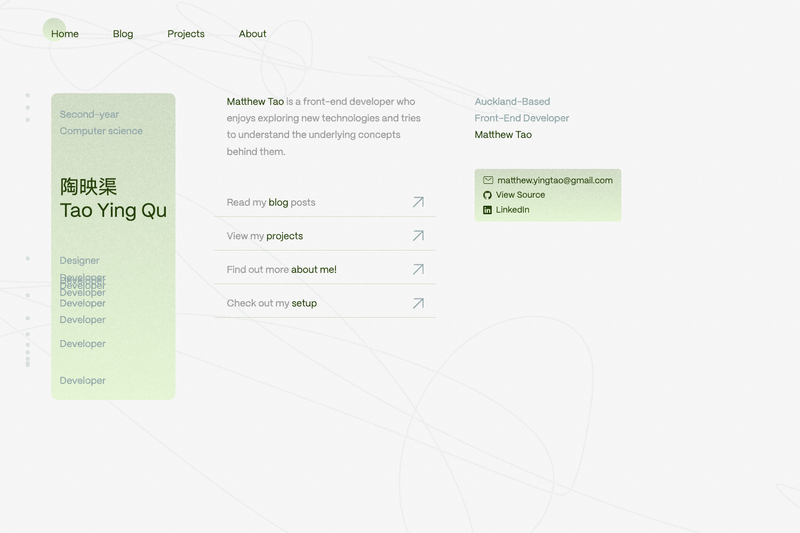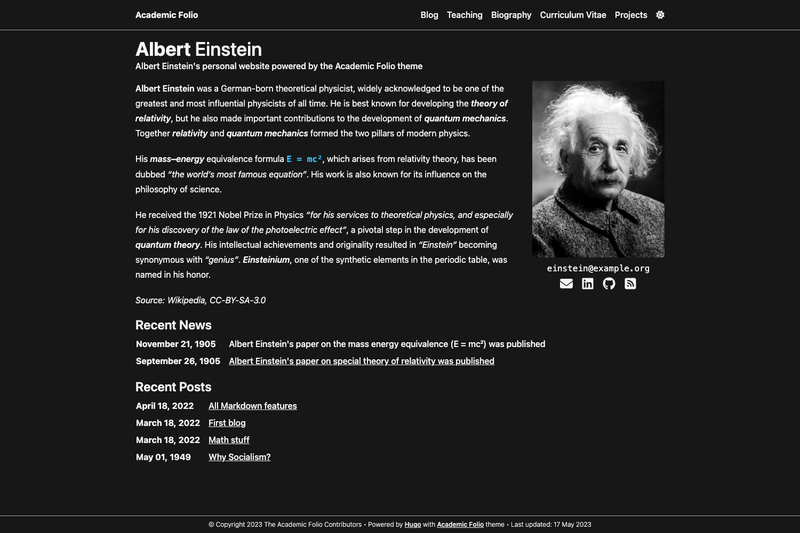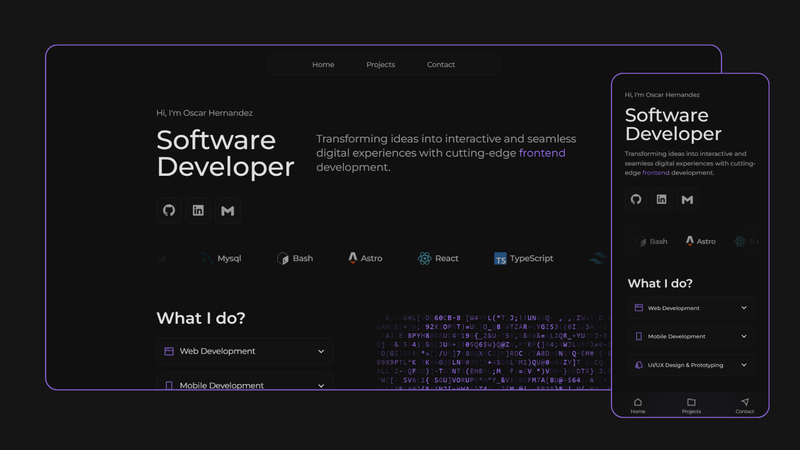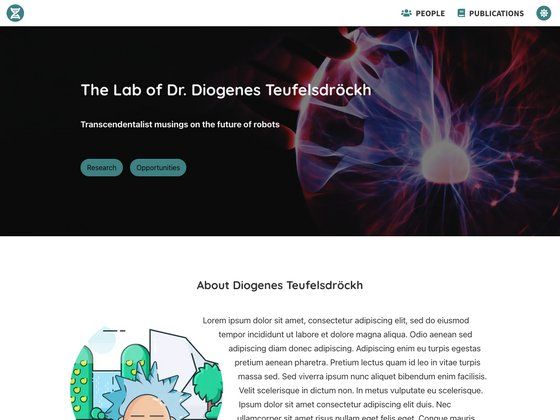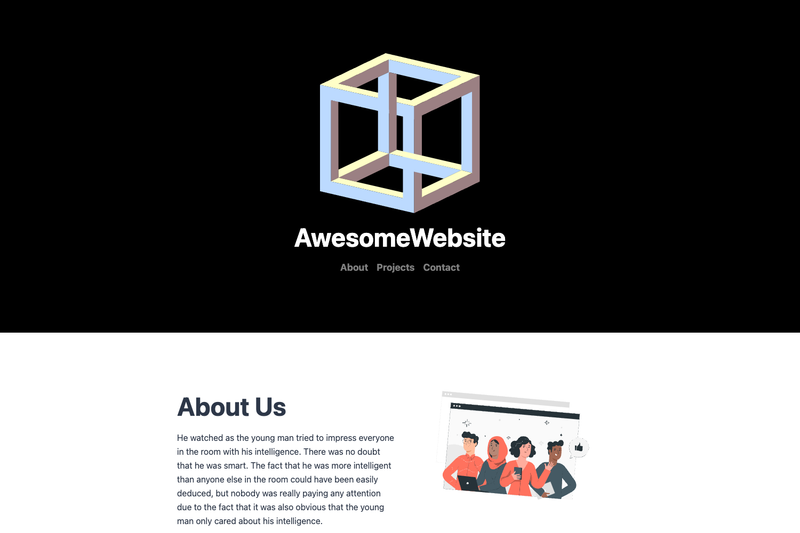
Gatsby Starter Minimal Portfolio is a Gatsby starter for creating a minimal portfolio website with About, Contact, and Project sections, built on the @openarchitex/gatsby-theme-minimal-portfolio theme by OpenArchitex.
What is Gatsby Starter Minimal Portfolio?
Gatsby Starter Minimal Portfolio is a pre-configured Gatsby starter that generates a static portfolio site. It is built on the @openarchitex/gatsby-theme-minimal-portfolio theme, which provides the core UI and content structure. The starter includes three sections: About, Contact, and Project, as described in the repository metadata. It is maintained in the OpenArchitex/gatsby-themes GitHub repository, where users can open issues for questions or enhancements. As a Gatsby starter, it uses React as its UI library and outputs static files at build time.
Key Features
- Pre-built sections — The starter ships with About, Contact, and Project sections, covering the essentials of a personal portfolio.
- Theme shadowing — You can override any file in the theme by placing a file with the same relative path under the @opanarchitex/gatsby-theme-minimal-portfolio directory, following Gatsby's theme shadowing convention.
- MDX content — The example override banner.mdx indicates that content sections are authored in MDX, a Markdown syntax that allows embedded JSX.
- SVG asset support — The logo.svg override example shows that SVG files are used for branding and can be customized via shadowing.
- Open source on GitHub — The source code is publicly available in the OpenArchitex/gatsby-themes repository, and the starter had 3 stars at the time of this analysis.
- Minimal design — True to its name, the starter targets a clean, simple portfolio without extra pages or features beyond the core sections.
Who is it for?
Gatsby Starter Minimal Portfolio is intended for developers who want a new portfolio site quickly without manually configuring Gatsby. It is well suited to Gatsby developers who are familiar with themes and want to exercise theme shadowing. Freelancers, designers, and students can also use it to establish a simple web presence with an about page, contact information, and a project gallery. Since customization requires editing files and understanding MDX, it helps to have basic Gatsby knowledge.
What can you do with it?
- Developers: Create a new Gatsby portfolio site from the starter, then override the banner, logo, or any section file using theme shadowing.
- Freelancers: List client projects under the Project section and share contact details via the Contact section.
- Gatsby learners: Inspect how Gatsby themes and shadowing work by examining the included banner.mdx and logo.svg overrides.
How does it work?
After scaffolding a project from the starter, you run the Gatsby development server to preview the site. To customize content, you create files under a directory named @opanarchitex/gatsby-theme-minimal-portfolio in your project; these files shadow the ones in the theme. The starter already demonstrates this with banner.mdx and logo.svg, so you can model your own overrides after those examples.
FAQ
What sections are included?
The starter includes About, Contact, and Project sections, as stated in the repository description. These are the three core areas you would expect in a minimal portfolio.
How do I customize the theme?
Use Gatsby theme shadowing. Place a file with the same relative path under the folder @opanarchitex/gatsby-theme-minimal-portfolio in your project. The starter demonstrates this with banner.mdx and logo.svg.
Is this starter free to use?
The page does not state a license, but the code is openly hosted on GitHub and accepts issues. Gatsby starters are typically free, but you should check the repository for licensing details before using it commercially.
What technology does it use?
It is built on Gatsby, which means React is the underlying UI framework. Content is authored in MDX, and assets like SVG are supported. The build process generates static HTML, CSS, and JavaScript.
Where can I report issues?
You can open an issue at the OpenArchitex/gatsby-themes repository on GitHub. The page explicitly invites users to do so for questions, issues, or enhancements.