Newsletter
Join the Community
Subscribe to our newsletter for the latest news and updates

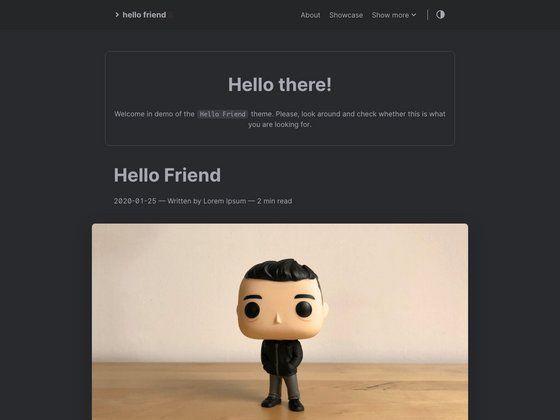
A minimal Hugo blog theme with dark/light mode, PrismJS highlighting, and built-in shortcodes.
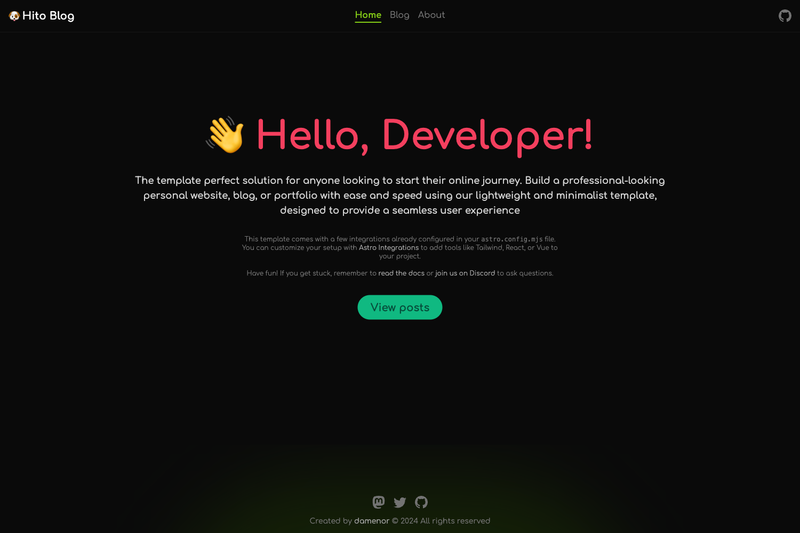
Minimalist Astro blog template with Markdown/MDX, RSS, sitemap, SEO, and 100/100 Lighthouse performance.
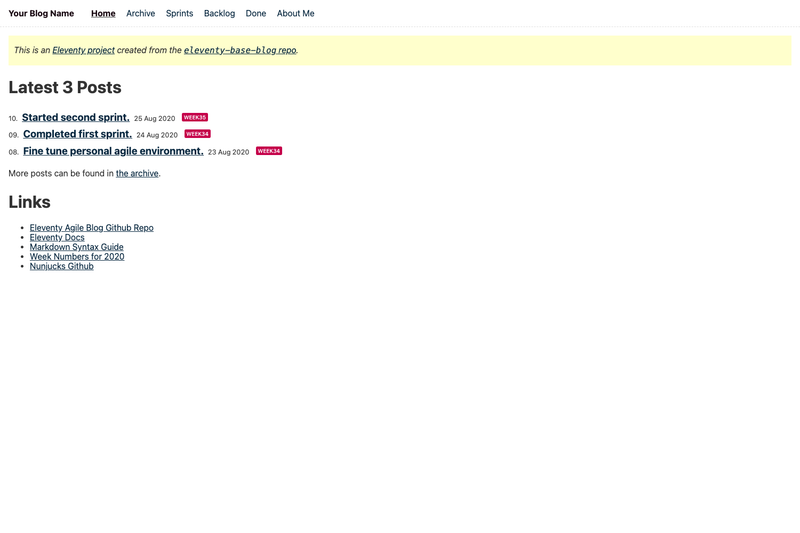
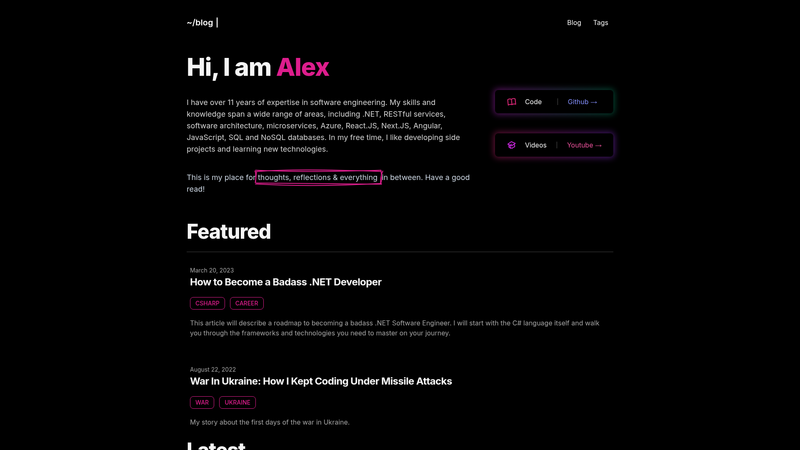
A minimal Eleventy blog template that implements a personal agile development workflow with sprints and a backlog.
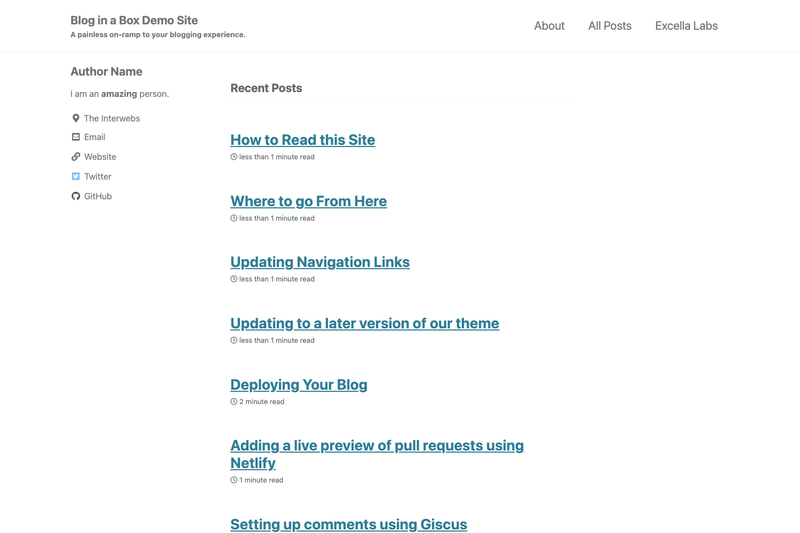
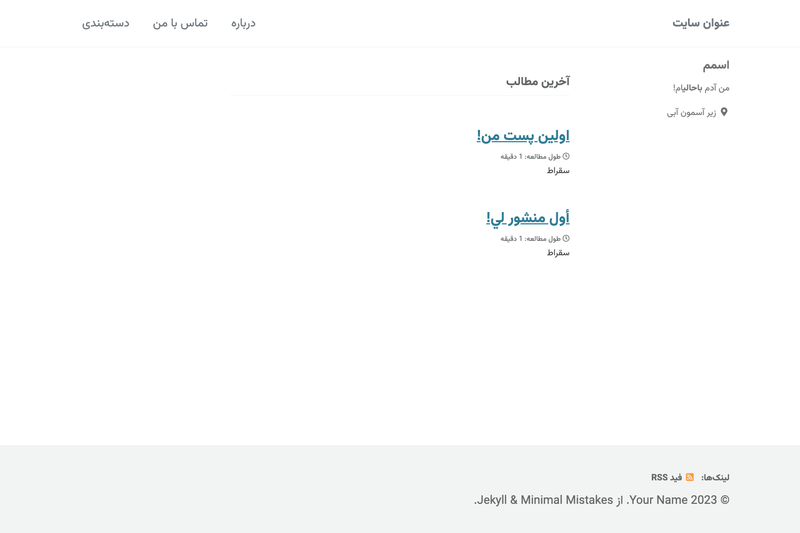
A quick, all in one stop for someone to get a blog presence up and running.
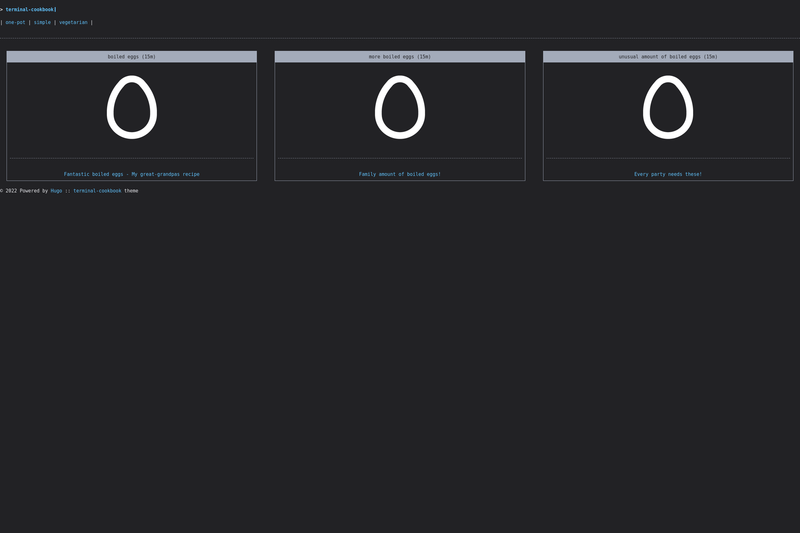
Terminal-style Hugo theme for publishing recipe books with tags, code highlighting, and no third-party dependencies.
Hello Friend is a minimal, archived Hugo blog theme that bundles dark/light theming, PrismJS code highlighting, and built-in shortcodes. Created by Radosław Kozieł (panr) and released under the MIT License, it renders markdown content into a fully responsive blog and requires Hugo Extended v0.90.x or newer.
Hello Friend is a Hugo theme that converts your markdown posts and front matter into a clean, responsive blog with configurable menus, cover images, and RSS feeds. It takes site configuration in config.toml and content from a content/posts/ directory, and outputs static HTML. The repository is archived and no longer maintained, but the theme remains fully usable, forkable, and modifiable because it depends only on Hugo's internal template engines.
defaultTheme config parameter.image, figure, imgproc (with Hugo image processing like Resize "250x"), and a collapsible code shortcode with expand/collapse labels.rssFullText = true emits full post content, and rssImage sets a site-wide image for feed discovery.cover in front matter as an absolute path or, with useRelativeCover = true, relative to the post folder; optional coverAlt and coverCaption add alt text and captions.lastModDisplay = "Modified:" in config, optionally complemented by Hugo's enableGitInfo.hideReadMore = true.prepended_head.html, extended_head.html, and extended_footer.html partials for injecting custom code without editing core files.config.toml.[languages] config sections to define per-language titles, menus, date formats, and even duplicate the archive page with .Lang suffixes like archive.pl.md.archive.md from the example site into your content directory to get an automatic archive of all posts.layouts/partials/comments.html partial; the theme provides the hook for your preferred provider.You start by downloading or cloning the repository into themes/hello-friend (or fetching it as a Hugo Module with hugo mod get github.com/panr/hugo-theme-hello-friend). After copying a minimal config.toml that sets theme = "hello-friend", pagination, and content type, you run hugo server -t hello-friend to serve a live preview at localhost:1313. Content lives in content/posts/ by default, and each post's front matter supports cover images, table of contents, and per-post settings.
Yes. The theme is released under the MIT License, so you can use it for personal or commercial projects, modify it, and redistribute it. The original license text is included in the repository.
No. The repository is archived, but the theme still works with current Hugo Extended versions (v0.90.x and above). Since it's open source, you can fork it, fix issues, or contribute features yourself.
In the post's front matter set cover to an absolute path like /img/cover.jpg, or to a relative filename like cover.jpg and set useRelativeCover = true to resolve it from the post's folder. You can optionally set coverAlt and coverCaption.
Yes. Set rssFullText = true in your config.toml [params] section. Otherwise the feed uses the Description or Summary from front matter, and it automatically includes the post's cover image at the top of each item.
No. The main menu does not support nesting, so all menu items must be top-level entries. You can control how many items appear by setting showMenuItems in config.