Newsletter
Join the Community
Subscribe to our newsletter for the latest news and updates

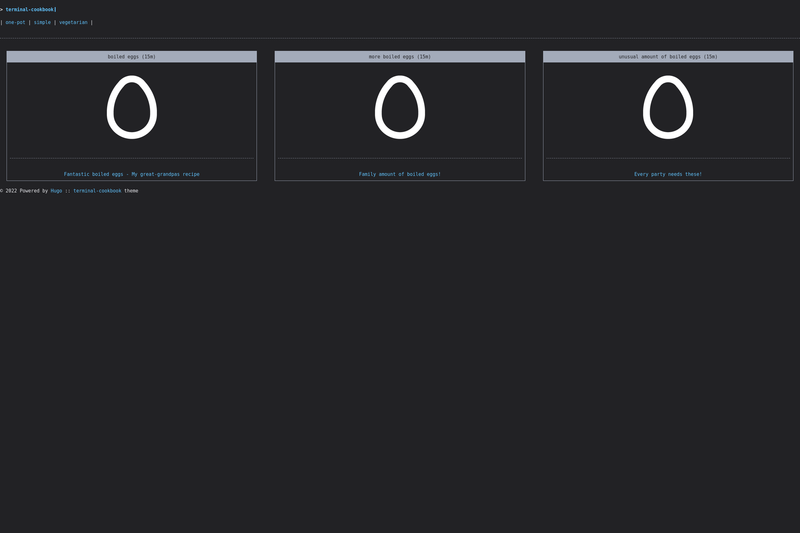
Terminal-style Hugo theme for publishing recipe books with tags, code highlighting, and no third-party dependencies.
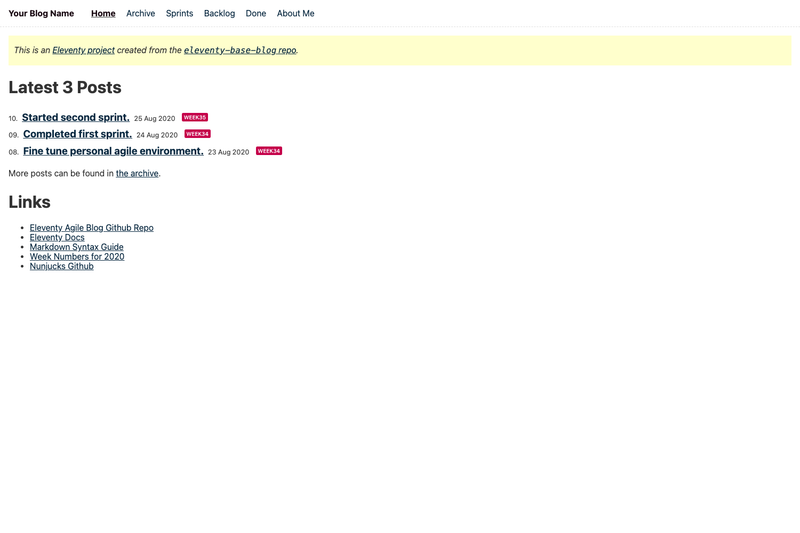
A minimal Eleventy blog template that implements a personal agile development workflow with sprints and a backlog.
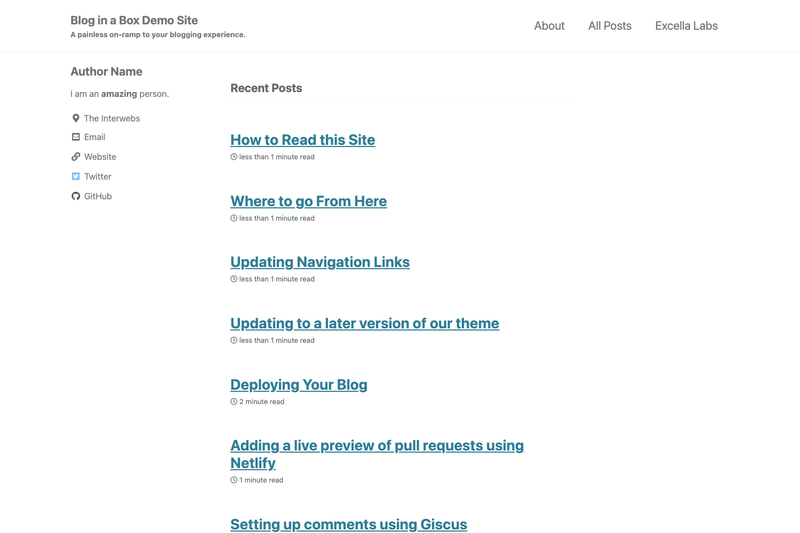
A quick, all in one stop for someone to get a blog presence up and running.
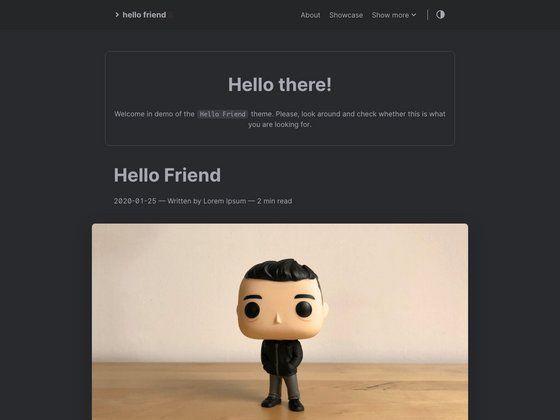
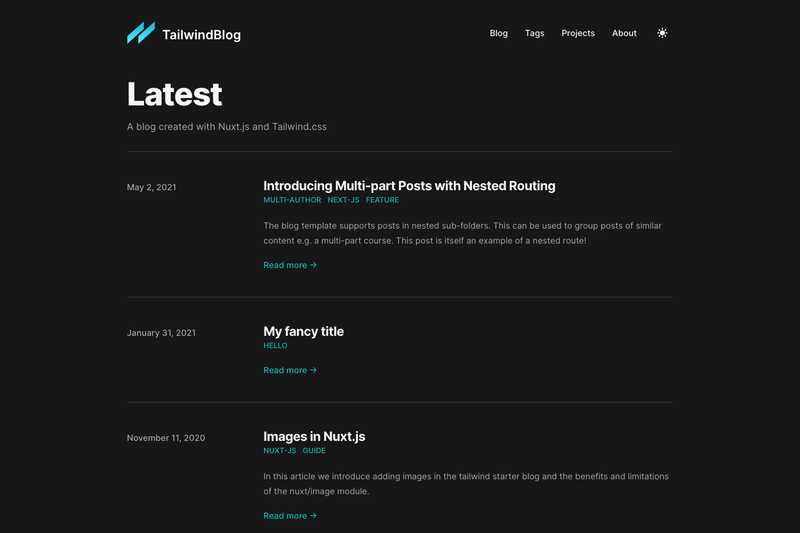
A minimal Hugo blog theme with dark/light mode, PrismJS highlighting, and built-in shortcodes.
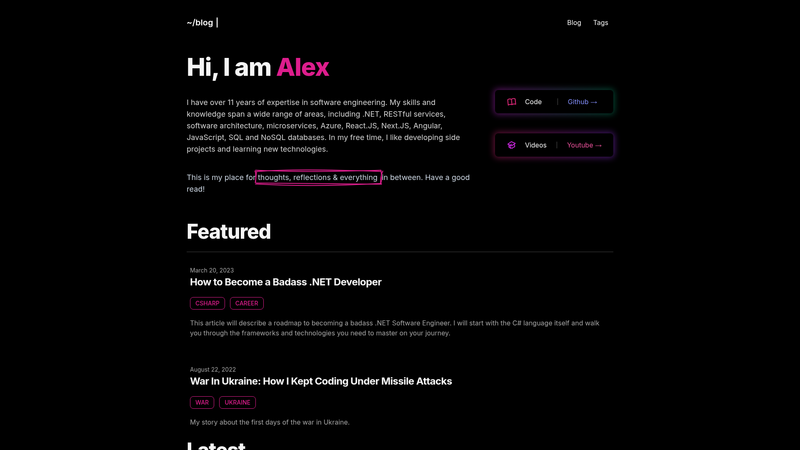
Personal Astro blog edited through self-hosted Pages CMS and deployed on Vercel.
Terminal-cookbook is a free, open-source Hugo theme that turns markdown recipe files into a static recipe-book website with a terminal-style interface. It relies on the TerminalCSS framework (which includes HighlightJS) and ships with no tracking, no analytics, and no dependencies on third-party servers. The theme is maintained by GitHub user rullmann and released under the MIT License.
Terminal-cookbook is a Hugo theme specifically designed for publishing collections of recipes. You provide recipe content as markdown files with YAML front matter — including title, summary, cooking time, tags, and an optional featured image — and the theme renders those files into a browsable static site. It uses Hugo's static site generator to produce pure HTML/CSS/JS output that can be hosted on any static host. The theme's visual style comes from TerminalCSS, a terminal-oriented CSS framework, and it includes code highlighting via the HighlightJS integration that TerminalCSS ships with.
To get started, add the theme as a Git submodule into a Hugo site using the command git submodule add https://github.com/rullmann/hugo-theme-terminal-cookbook.git themes/terminal-cookbook. Then copy the minimal TOML config, set the theme name to terminal-cookbook, and create markdown files under content/recipes. Each file uses front matter for recipe metadata and markdown body for ingredients and method; the Hugo build outputs a static site.
The theme is free and open source, distributed under the MIT License. There are no paid tiers or premium features.
Yes, the theme is open source and released under the MIT License, so you can use, modify, and redistribute it freely.
No. The theme contains no tracking or analytics code, and all CSS and JavaScript are bundled in the repository, so there are no external server calls.
Create a markdown file in content/recipes with front matter fields like title, summary, time, tags, and an optional featured_image. Then list ingredients and method in the markdown body and let Hugo build the site.
Yes. Fork the repository and edit the root style in layouts/partials/head.html; you can copy the light theme styles from the TerminalCSS site's source code.
Yes, tag support is built in. Add a tags list to a recipe's front matter, and the theme will generate tag pages that group related recipes.