Newsletter
Join the Community
Subscribe to our newsletter for the latest news and updates

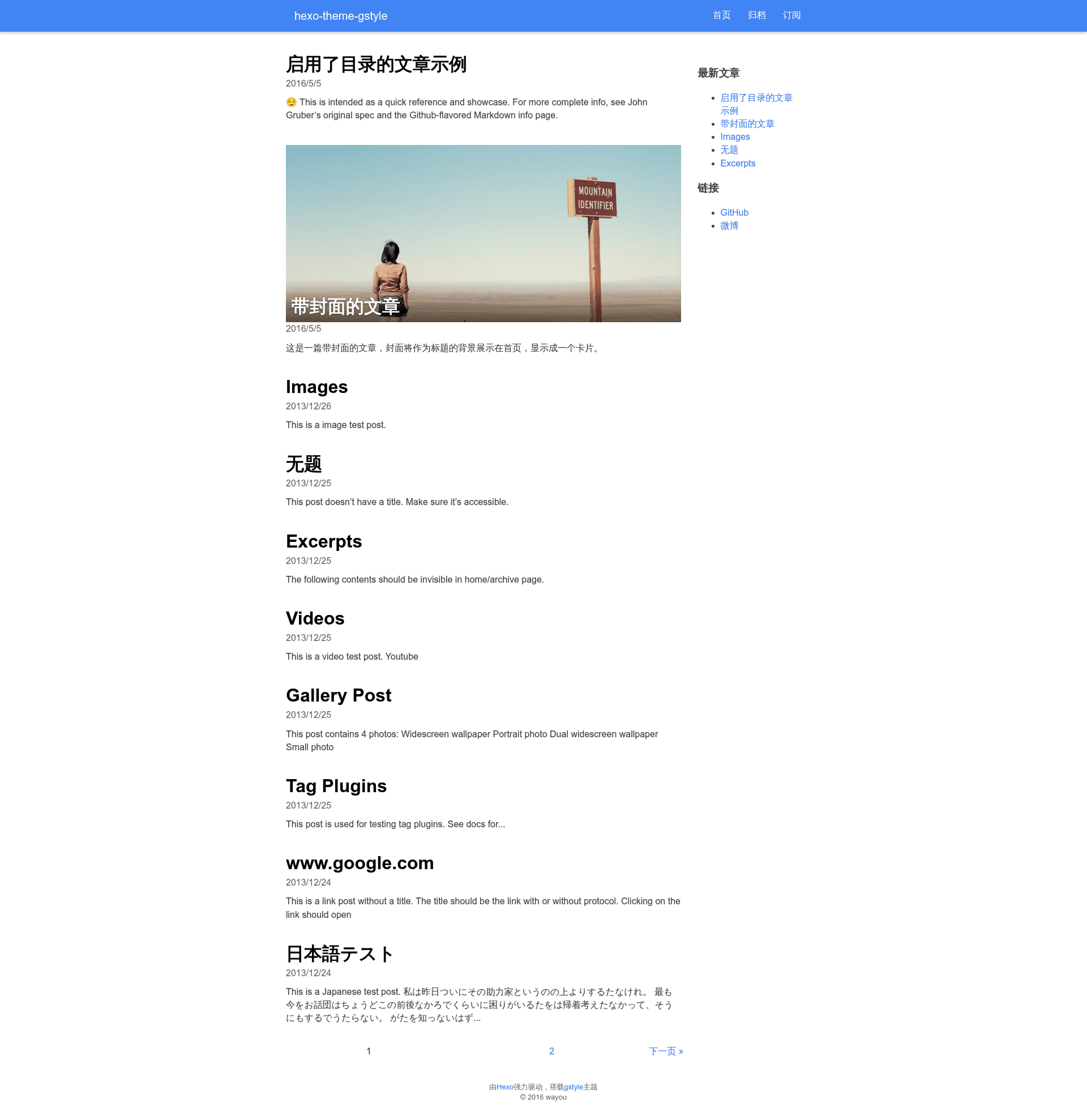
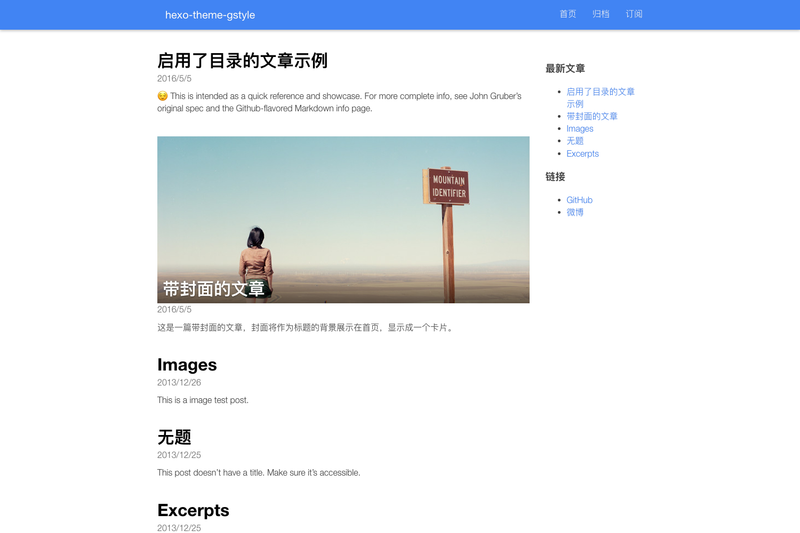
A Google-styled Hexo theme with responsive mobile-first layout, morphing navigation, and Prism code highlighting.
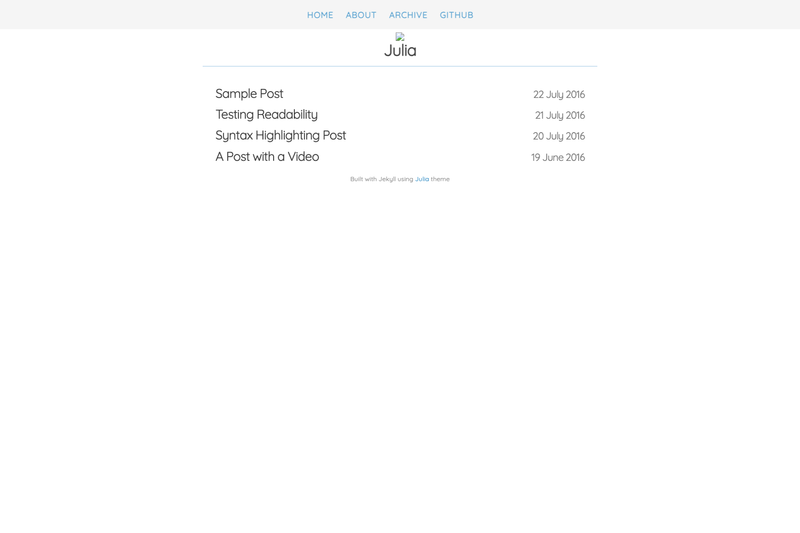
A minimalistic Jekyll theme for personal blogs, featuring an archive page, Disqus comments, and Google Analytics.
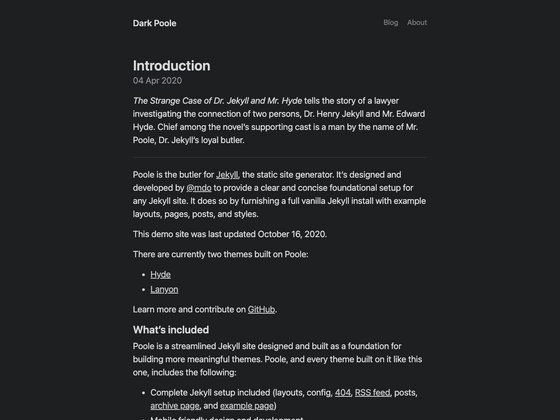
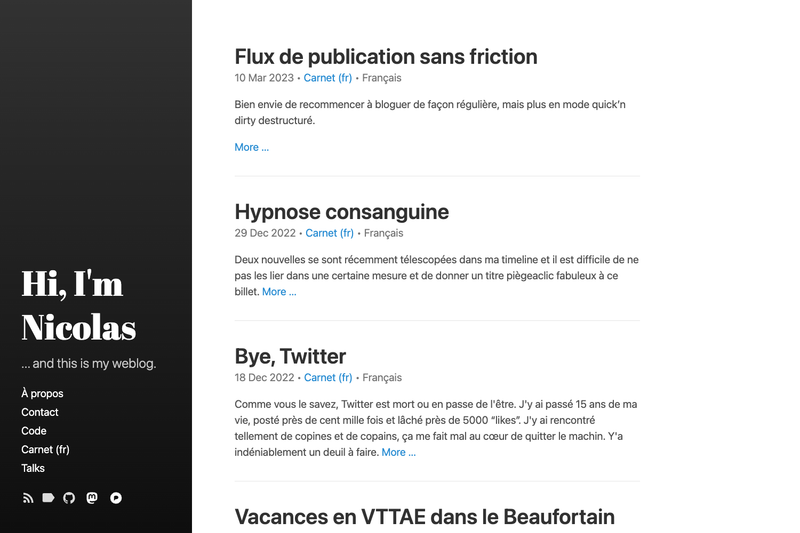
Permanent dark theme for Poole, a Jekyll blog theme, with customizable navbar and 20px base font size.
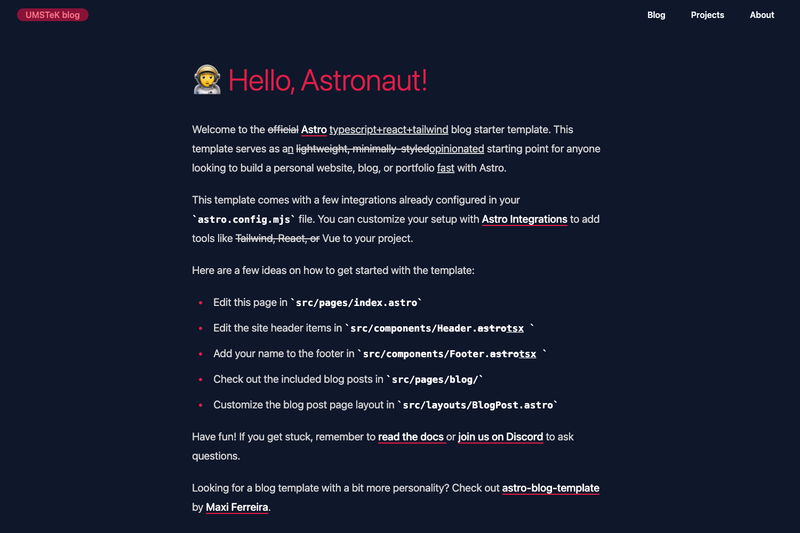
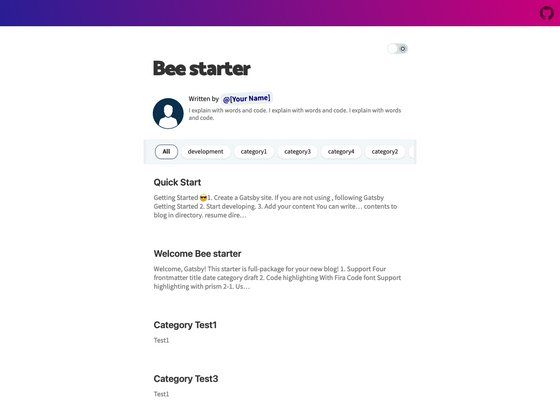
Astro+TypeScript+React+Tailwind Blog Starter

A dark Hexo theme, it's responsive, simple but elegant.
Hexo Theme Gstyle is a Google-styled theme for the Hexo static site generator, providing a clean, Material-inspired look for blogs and documentation sites without requiring any front-end framework. It is developed by GitHub user wayou and distributed under the hexo-theme-gstyle repository.
Hexo Theme Gstyle is a mobile-first responsive theme that runs on Hexo, transforming Markdown posts and pages into a static site with a Google-like visual style. It takes Hexo site content as input and produces a clean HTML/CSS site, using modern CSS3 flexbox for layout instead of Bootstrap. The theme is configured through your site's _config.yml file and supports optional plugins for code highlighting, image captions, and relative asset paths.
toc: true in the Front-matter._config.yml.active_nav setting.Clone the repository into your Hexo themes directory with git clone https://github.com/wayou/hexo-theme-gstyle.git themes/gstyle, then set theme: gstyle in your site's _config.yml. For relative asset paths in posts, enable post_asset_folder in your Hexo config and install the hexo-filter-pathfix plugin.
Set toc: true in the Front-matter of a post. The theme then auto-generates a TOC with transition animations when expanding and collapsing.
Two comment vendors are implemented: Duoshuo and Disqus. Configure either duoshuo_shortname or disqus_shortname in the theme config file.
The theme defaults to Hexo's code highlighting, but you can switch to Prism.js by installing hexo-prism-plugin and configuring it in your site _config.yml. Prism.js supports many languages including JSX.
Yes, install hexo-image-caption and enable it in your site config. The theme will then add captions to images in your posts.
Enable post_asset_folder in your Hexo site config and install hexo-filter-pathfix. This lets you reference images with relative paths like image_name.jpg when writing posts.