Newsletter
Join the Community
Subscribe to our newsletter for the latest news and updates

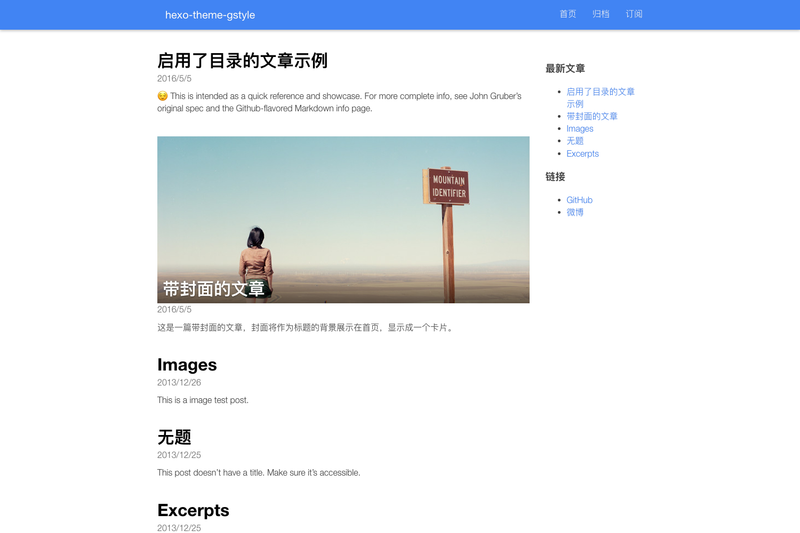
A minimalistic Jekyll theme for personal blogs, featuring an archive page, Disqus comments, and Google Analytics.
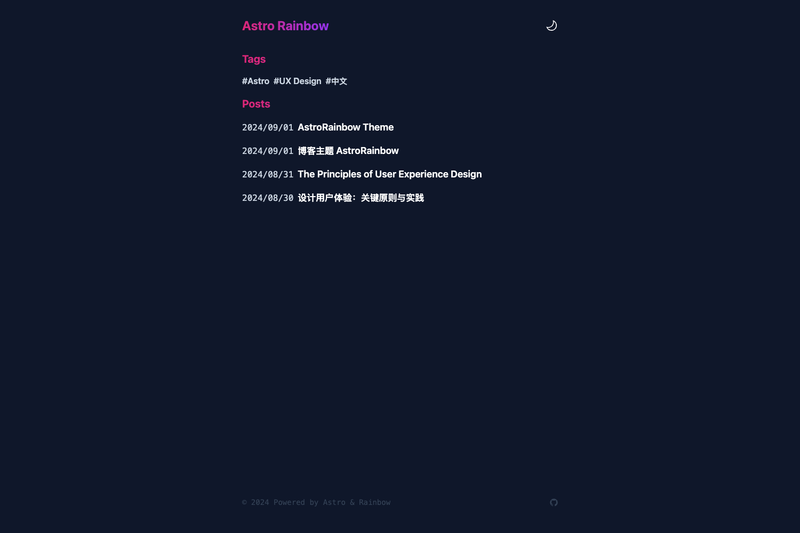
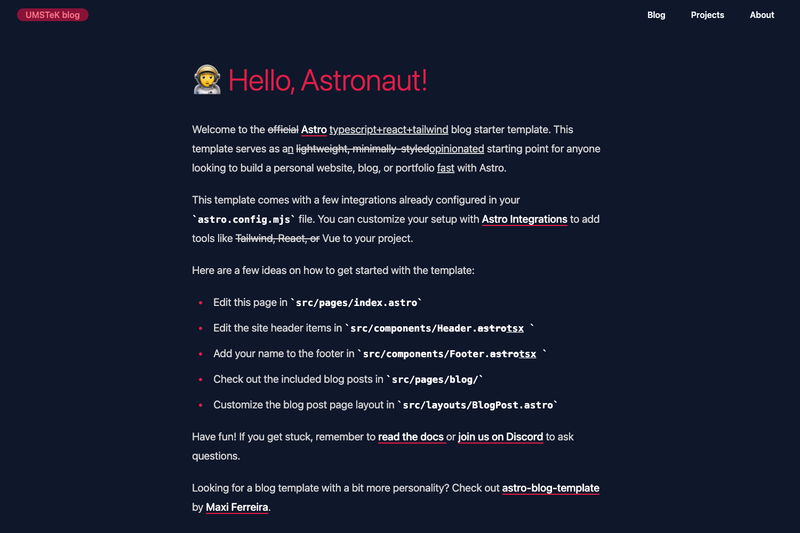
🌈 AstroRainbow is a clean and simple Astro theme designed for blogs.
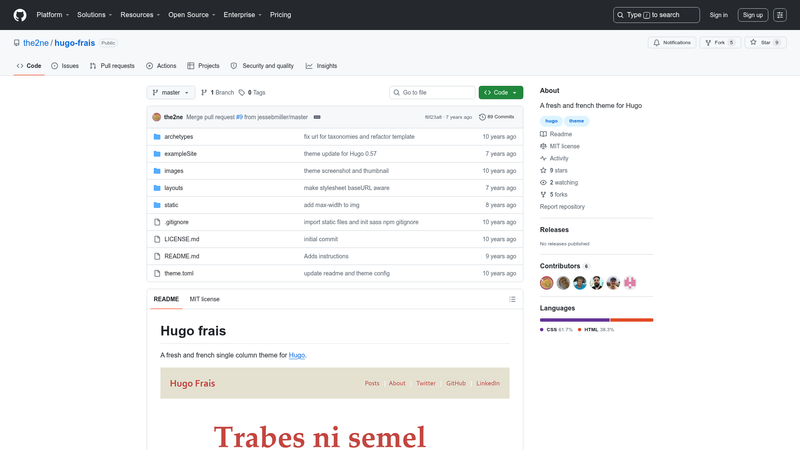
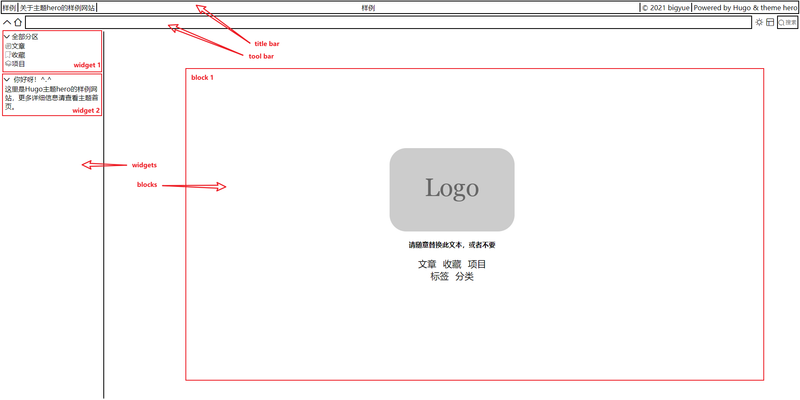
A fresh and French single-column theme for Hugo static site generator.
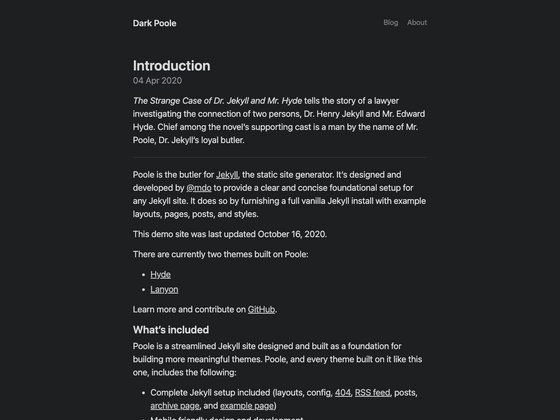
Permanent dark theme for Poole, a Jekyll blog theme, with customizable navbar and 20px base font size.
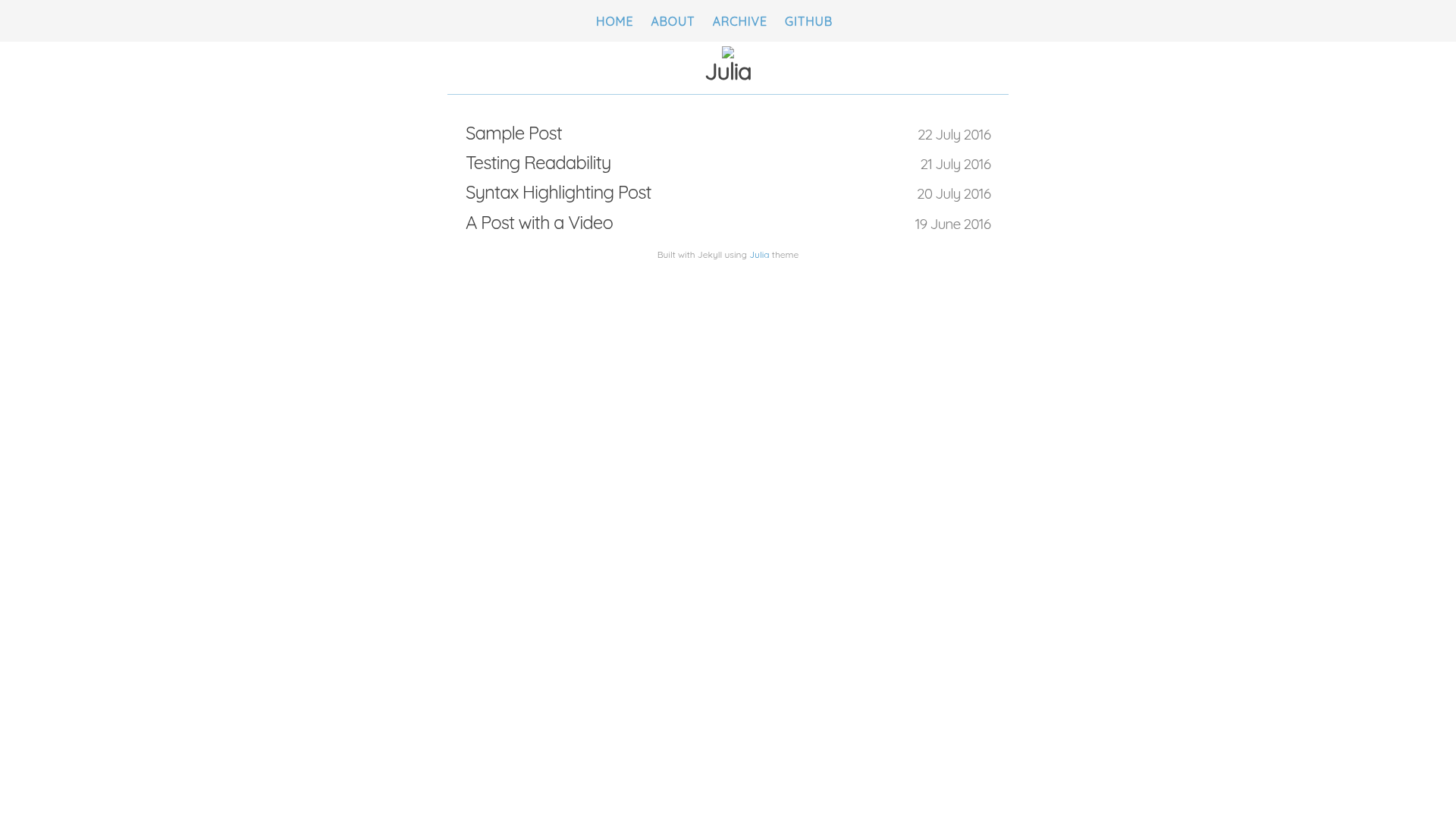
Julia is a minimalistic Jekyll theme for personal blogs and simple websites. It takes Markdown post and page files, processes them with the Jekyll static site generator, and outputs a clean HTML site ready to host on GitHub Pages or any static host. The theme is developed by GitHub user kuoa and distributed as an open-source repository.
Julia is a minimalistic Jekyll theme for personal blogs and simple websites. It takes Markdown post and page files, processes them with the Jekyll static site generator, and outputs a clean HTML site ready to host on GitHub Pages or any static host. The theme is developed by GitHub user kuoa and distributed as an open-source repository.
$brand-color in /css/main.scss.disqus_shortname in _config.yml.google-analytics to true and pasting a tracking code in /_includes/google_analytics.html.links section of _config.yml to tailor the navigation.Julia is aimed at personal bloggers and writers who want a clean, no-frills theme to publish their thoughts. It's also suitable for Jekyll beginners who want a small, well-structured base to learn from, and for developers who prefer to customize a theme by editing SCSS variables and config files.
$brand-color, and deploy a static site with Jekyll.Installation is straightforward: fork the repository, clone it locally, run bundle install to install dependencies, then jekyll serve to start a local development server. After editing _config.yml to set links, comments, or analytics, rebuild the site and deploy.
Julia is free and open source. The full source code is available on GitHub, and you can use, modify, and redistribute it under the terms of the license included in the repository.
Yes, Julia is released as an open-source Jekyll theme on GitHub, so you can download and use it without cost.
Edit /css/main.scss and set the $brand-color variable to your desired color. Rebuild the Jekyll site to see the change.
Add your Disqus shortname to the disqus_shortname field in _config.yml. Once set, Disqus comment threads will appear on your posts.
Yes. Set google-analytics to true in _config.yml and paste your tracking code into /_includes/google_analytics.html to start collecting site analytics.
Edit the links section in _config.yml to define the label and URL for each navbar item.