Newsletter
Join the Community
Subscribe to our newsletter for the latest news and updates

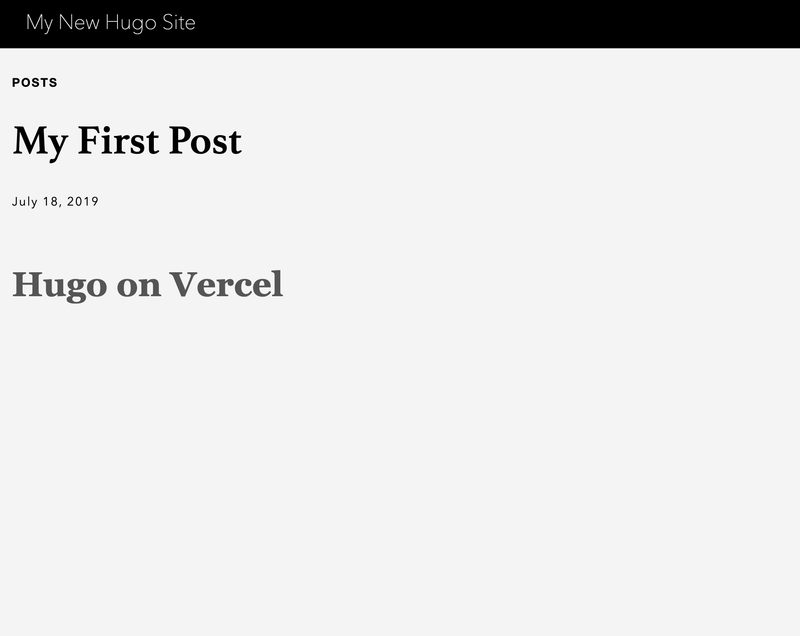
A minimal Hugo static-site boilerplate from Vercel's examples repository that deploys to Vercel with zero configuration.

Next.js 15 starter from PaddleHQ that adds a pricing page and a Paddle Billing web checkout openable from iOS apps, with Apple Pay support.
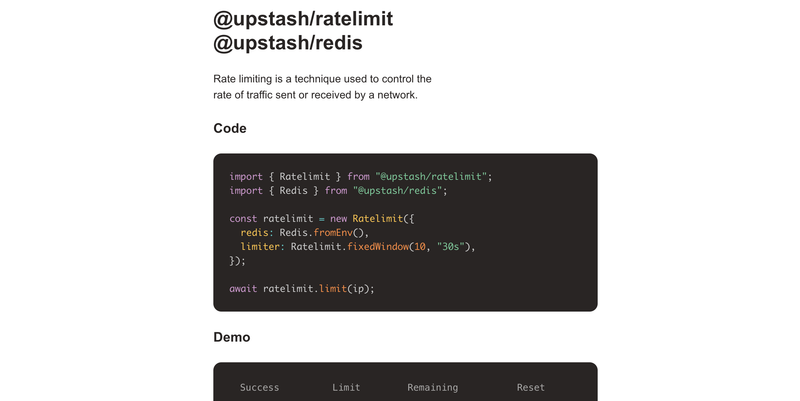
Example app wiring @upstash/ratelimit to Upstash Redis, with npm local dev and one-command Vercel deployment.
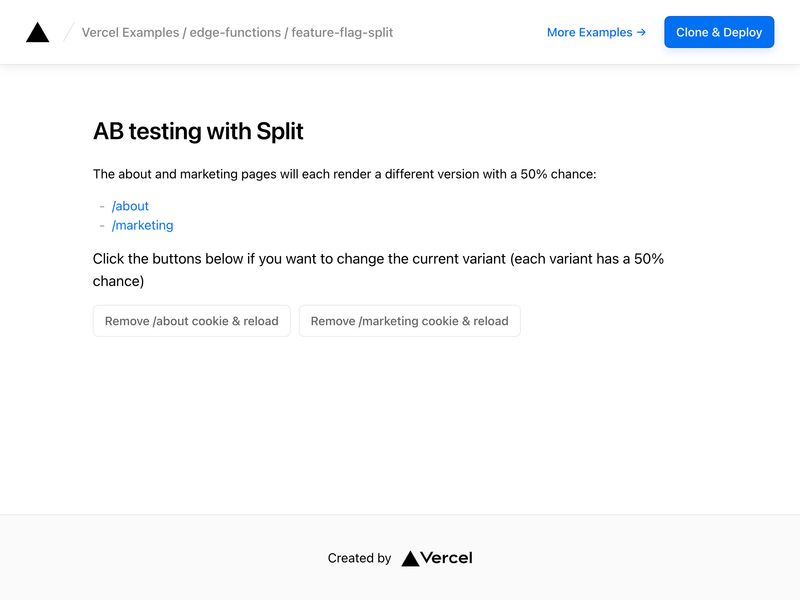
Next.js Edge Middleware example that uses Split feature flags to A/B test a marketing page and an about page, styled with Tailwind CSS.
Minimal Flask example that runs a WSGI Python API on Vercel Serverless Functions using the Python Runtime.
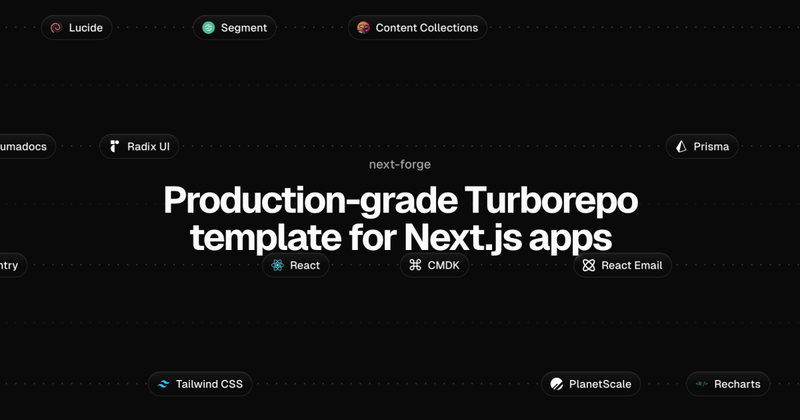
Production-grade Turborepo monorepo template for Next.js SaaS apps, bundling Clerk auth, Stripe payments, Tailwind CSS, email, analytics and monitoring.
Vercel example boilerplate that runs an AI SDK backend on a Hono server and deploys with the Vercel CLI.
Hugo Example is a Vercel-hosted starter that pairs the Hugo static site generator with zero-configuration deployment on Vercel, published inside Vercel's official examples repository.
Hugo Example is a minimal Hugo project living in the framework-boilerplates/hugo directory of Vercel's examples repository, built so it can be deployed to Vercel with no configuration at all. It takes Hugo content and templates as input and produces a pre-rendered static HTML site that Vercel builds and serves, and developers can either clone the repository or scaffold an equivalent project locally with the Hugo CLI command hugo new site project-name. Vercel maintains it as a reference implementation showing how a static site generator that is not JavaScript-based fits into the Vercel build pipeline, and a live deployment of the template is published at https://hugo-template.vercel.app.
framework-boilerplates/hugo repository as the template source.hugo new site project-name, so its folder layout follows Hugo's standard site conventions.The workflow is: create or clone a Hugo project, connect that repository to Vercel, and let Vercel build the site and serve the resulting static HTML. The page documents the local starting point — running hugo new site project-name with the Hugo CLI to initialize an empty site — plus a "Deploy with Vercel" button that automates the clone step by creating a new repository from the template. No additional build settings are described.
It is a small Hugo project hosted in Vercel's examples repository under framework-boilerplates/hugo. It exists to demonstrate a Hugo-generated static site deployed to Vercel with zero configuration, and a live version runs at https://hugo-template.vercel.app.
Yes. It is published as part of Vercel's open examples collection, so you can clone or fork the repository and adapt the Hugo project for your own site.
No. The example is described as deployable to Vercel with zero configuration, and the clone flow creates a new repository from the template that Vercel builds and serves directly.
Install the Hugo CLI and run hugo new site project-name to initialize a site with Hugo's standard structure, then add content and a theme before connecting the repository to Vercel for deployment.