Newsletter
Join the Community
Subscribe to our newsletter for the latest news and updates

Open-source personal website and blog engine built on Ruby on Rails with Markdown + Git publishing, multi-language support, and email subscriptions.
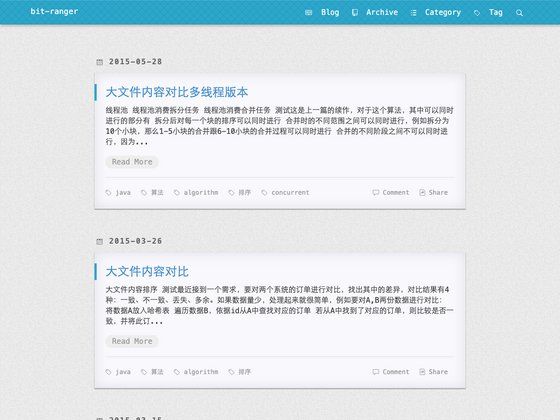
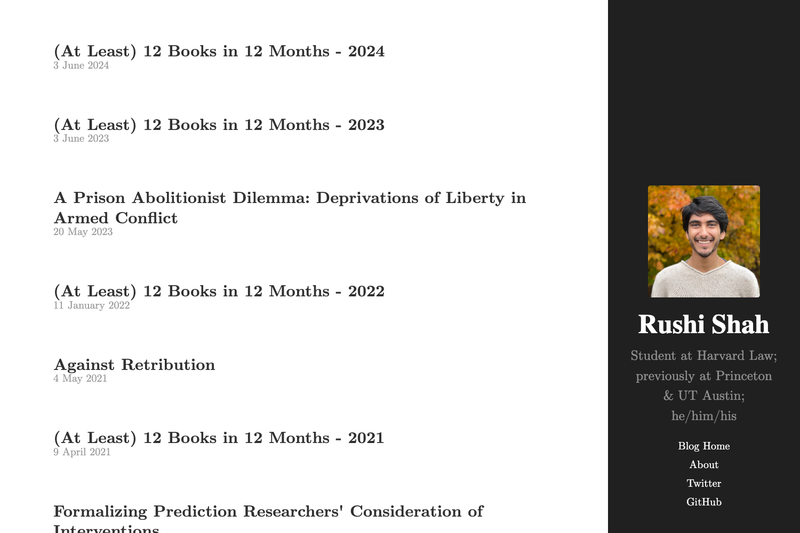
A Jekyll blog theme for GitHub Pages with Swiftype site search and Gitalk comment integration.
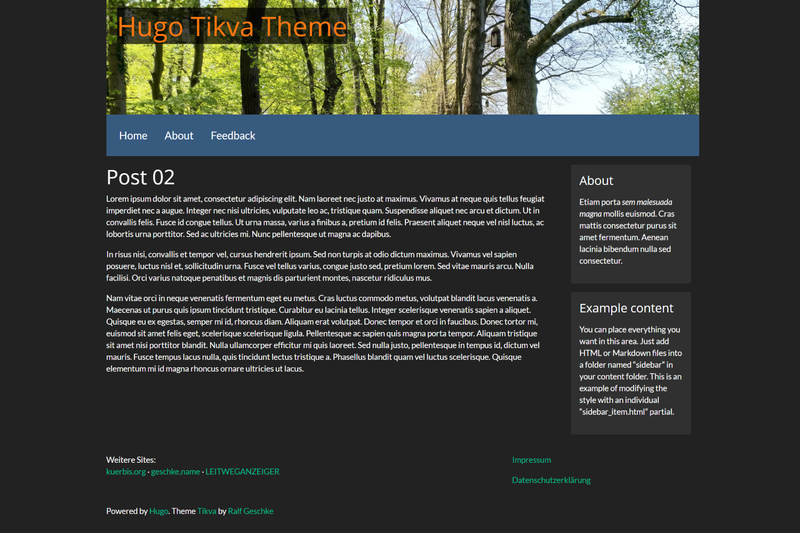
Minimalistic Hugo theme based on Bootstrap v4, offering 30+ designs, configurable sidebars, footer, and subfooter sections.
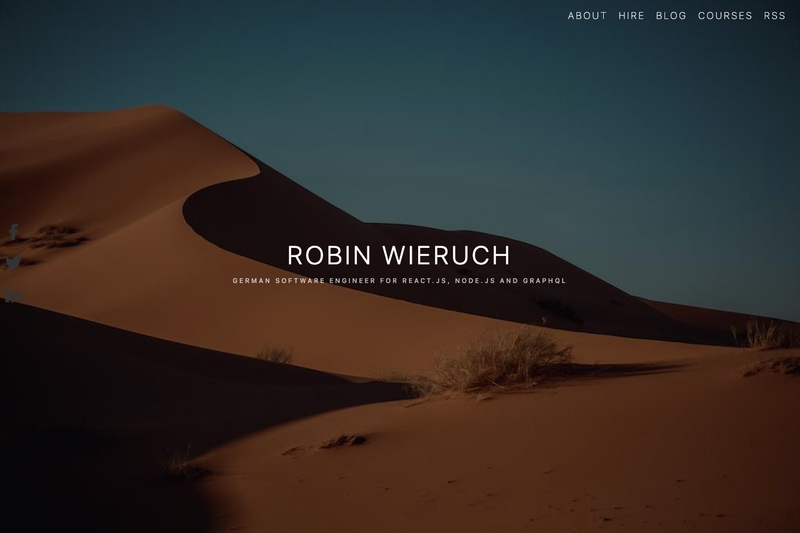
A Gatsby.js starter for building static blogs with MDX, Prism.js syntax highlighting, pagination, and category pages.
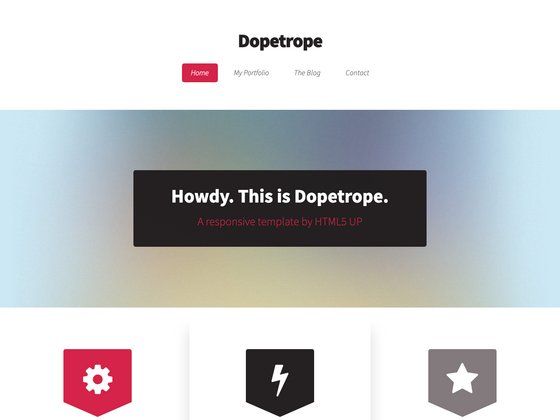
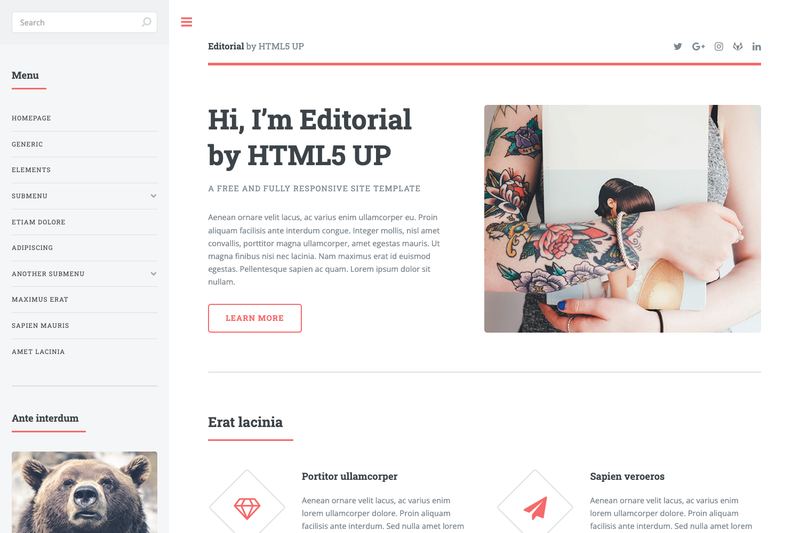
Hugo theme ported from HTML5 UP's Dopetrope design for portfolio and blog websites with Disqus comments.
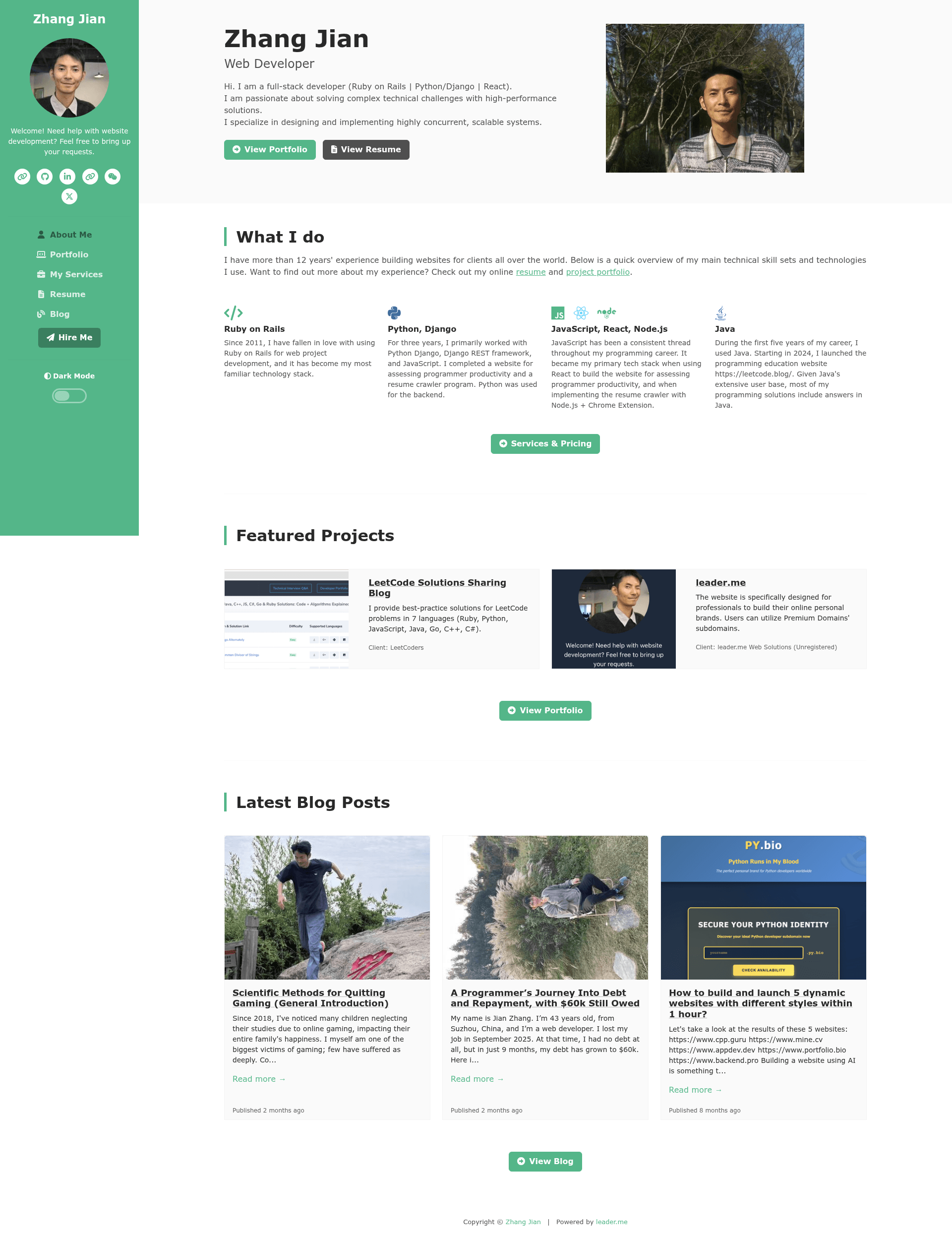
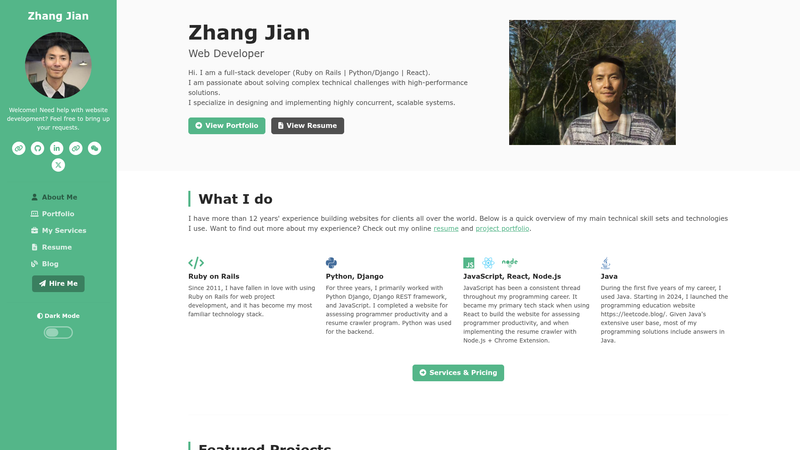
is-bio is an open-source, self-hosted personal website engine built on Ruby on Rails that turns a local Markdown blog repository into a dynamic website with email subscriptions, multi-language support, and planned resume and portfolio features.
is-bio is a dynamic blog engine and personal website builder written in Ruby 3.3.x using the Ruby on Rails framework, backed by a SQLite database. It takes Markdown files from a local Git repository (set up per the markdown-blog approach) and publishes them to the web through a GitHub App that syncs changes on git push. The repository is maintained under the is-bio GitHub organization, and the README states the project has evolved into a SaaS product called leader.me, while is-bio remains the open-source, self-hosted engine.
git push; a GitHub App watches the markdown-blog repository and syncs file changes to the blog.bin/jobs.brew install imagemagick) to generate thumbnails automatically.git push to sync posts to your blog automatically.After installing Ruby and the required gems, you clone the repository, set credentials with bin/rails credentials:edit, prepare the SQLite database with rails db:migrate and rails db:seed, and install the theme. Then you create an admin user, configure a GitHub App to watch your markdown-blog repository, and start the Rails server (rails s) together with bin/jobs for background processing.
is-bio is free and open-source. There are no priced tiers; the only expected cost is server usage. The README says that if you already run a server, adding is-bio may increase your cost by only $2/month.
Yes, is-bio is open-source and free to self-host. You only need a server that can run Ruby; if you already pay for one, the README estimates the added cost at about $2 per month.
is-bio is built on Ruby 3.3.x and the Ruby on Rails framework. Ruby gems are managed with Bundler, and the install process runs bundle install after cloning the repository.
Yes. Blog posts can be translated into 8 default languages: English, Chinese, Spanish, German, French, Portuguese, Japanese, and Russian. The README states additional languages can be supported easily.
Write your post as a Markdown file in a local repository configured with the markdown-blog approach. Then push the change with git, and a GitHub App will sync it to your blog. Full instructions are in the markdown-blog documentation.
is-bio uses SQLite by default. The development database file is created at ./storage/development.sqlite3 after running rails db:migrate and rails db:seed.