ISOMERA is an open-source JavaScript/TypeScript SaaS boilerplate monorepo that scaffolds a full-stack application with Next.js, Nest.js, React Query, and TypeORM. It provides a modular, scalable foundation for building enterprise-grade products, starting with authentication, database migrations, and a flexible UI layer.
What is ISOMERA?
ISOMERA is a starter monorepo for SaaS projects, maintained by the Cortip organization. It takes a blank NX workspace and produces a running stack: a Next.js landing page, a React platform, and a Nest.js API with TypeORM database integration. The codebase is written entirely in TypeScript and includes shared libraries for DTOs, interfaces, and utilities so frontend and backend stay type-safe.
Key Features
- NX monorepo workspace — A single repository holding the landing page, platform, and API, with shared libraries for DTOs, interfaces, and utility functions.
- Next.js landing page — The marketing site runs on Next.js and is served separately from the application platform, with a live example at isomera.org.
- Nest.js API with Swagger — The backend exposes generated Swagger documentation and runs on port 8080 by default.
- TypeORM & database migrations — Migrations are created and applied through NX commands like
nx run api:migration-createandnx run api:migration-run. - Authentication & security basics — Email sign-up and sign-in, password reset, 2FA, and basic profile editing are already implemented.
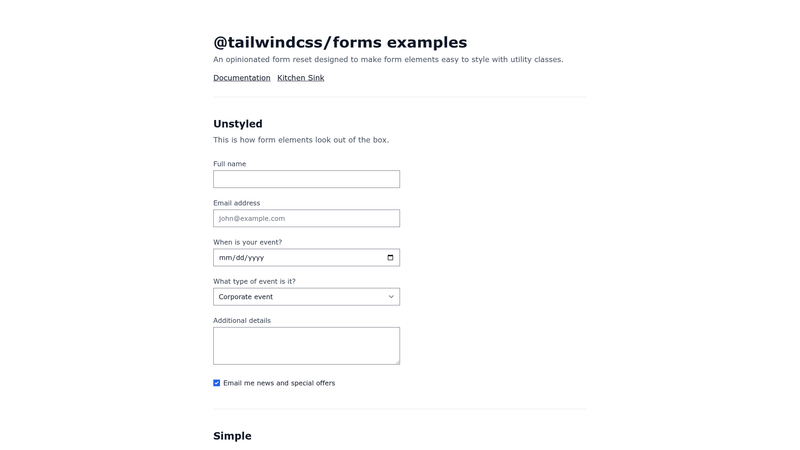
- Flexible styling options — The UI can be styled with SCSS, Styled Components, Material UI, or Tailwind, giving teams a choice of design system.
- Production Dockerfiles & CI — The repo includes production Dockerfiles, a production split for API and workers, and CI configuration with tests.
Who is it for?
- SaaS founders who want to skip months of scaffolding and start with authentication, database migrations, and a monorepo layout already in place.
- Full-stack TypeScript developers who want a modular foundation combining Next.js and Nest.js with shared DTO validation using class-validator.
- Startup teams that expect to scale — the project includes a roadmap for adding roles, organizations, object storage, queues, and caching.
- Open-source contributors who can contribute to the project's codebase and help advance the roadmap.
What can you do with ISOMERA?
- Launch a landing page immediately — the Next.js landing page is pre-built and deployable, with a live example at isomera.org.
- Spin up an authenticated platform — run
nx run platform:serveto start the React client on port 4200 with email sign-in and profile management. - Run and extend a Nest.js API — use
nx run api:serveto start the backend on port 8080 with Swagger docs, DTO validation, and type-safe shared libraries. - Create database migrations — generate and apply TypeORM migrations from the command line with NX targets.
How does ISOMERA work?
The project is structured as an NX monorepo; you use NX commands to run services individually. For local development, install Docker and Docker Compose, then run nx run api:serve, nx run platform:serve, and nx landing:serve to start the API, platform, and landing page respectively.
Pros and cons
- Pros: pre-built authentication, 2FA, and password reset; shared typed libraries across frontend and backend; Swagger documentation generated automatically; CI and Docker files included.
- Cons: many advanced features are still on the roadmap — organization roles, social login, S3 storage, websockets, and Redis caching are not yet implemented.
Pricing
ISOMERA is an open-source project and is free to use and modify. No paid tiers or license fees are mentioned in the repository.
FAQ
Is ISOMERA free?
Yes, ISOMERA is an open-source starter boilerplate published by the Cortip organization, so the source code is freely available to use and modify.
What tech stack does ISOMERA use?
It combines TypeScript, React, Next.js, Nest.js, TypeORM, React Query, Formik, class-validator, and Luxon in an NX monorepo, with options for SCSS, Styled Components, Material UI, or Tailwind for styling.
Does ISOMERA support authentication?
Email sign-up and sign-in, password reset, and two-factor authentication (2FA) are implemented. Social login with Google, Facebook, Apple, or Microsoft is listed on the roadmap but not yet available.
How do I run ISOMERA locally?
You need Docker and Docker Compose installed. Then you can run nx run api:serve, nx run platform:serve, and nx landing:serve to start the API, platform, and landing page on ports 8080, 4200, and 3030 respectively.
Is ISOMERA production-ready?
The repository includes production Dockerfiles, CI and tests, and a production split for API and workers to support auto-scaling. However, several enterprise features like object storage, websockets, and role management are still in progress.