Newsletter
Join the Community
Subscribe to our newsletter for the latest news and updates

Build terminal styled websites in minutes!
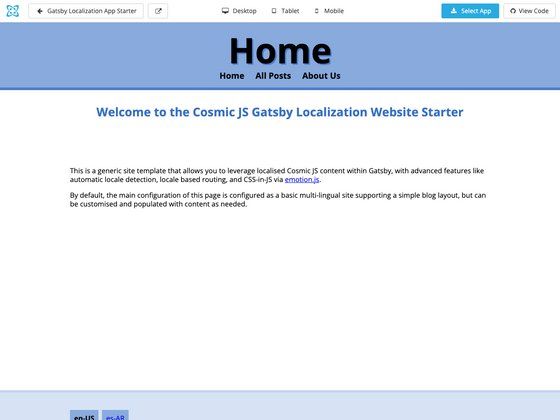
A Gatsby starter for building localized websites powered by Cosmic JS headless CMS.

Production-ready Astro 6 boilerplate with Tailwind CSS v4, 57 components, SEO toolkit, and API routes.

A repository of Cruip's guides & tutorials made with Vue and Tailwind CSS
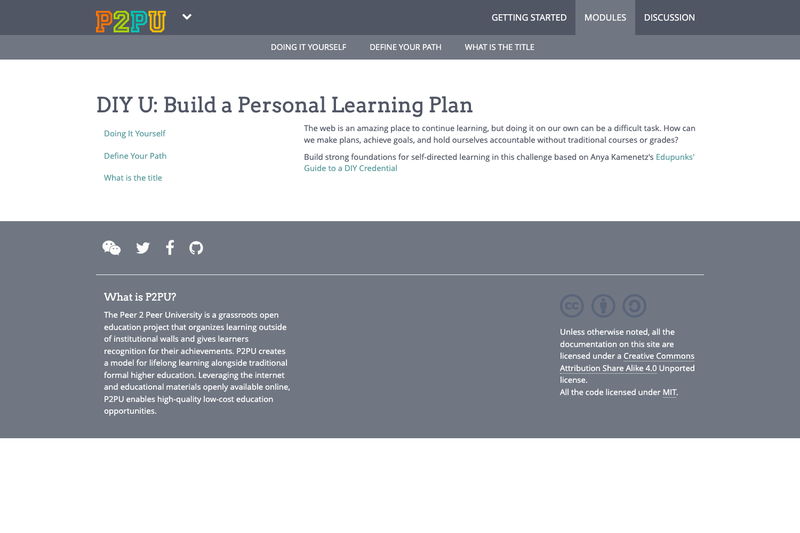
A Jekyll template for running an open online course site with Google Analytics and Disqus comments.
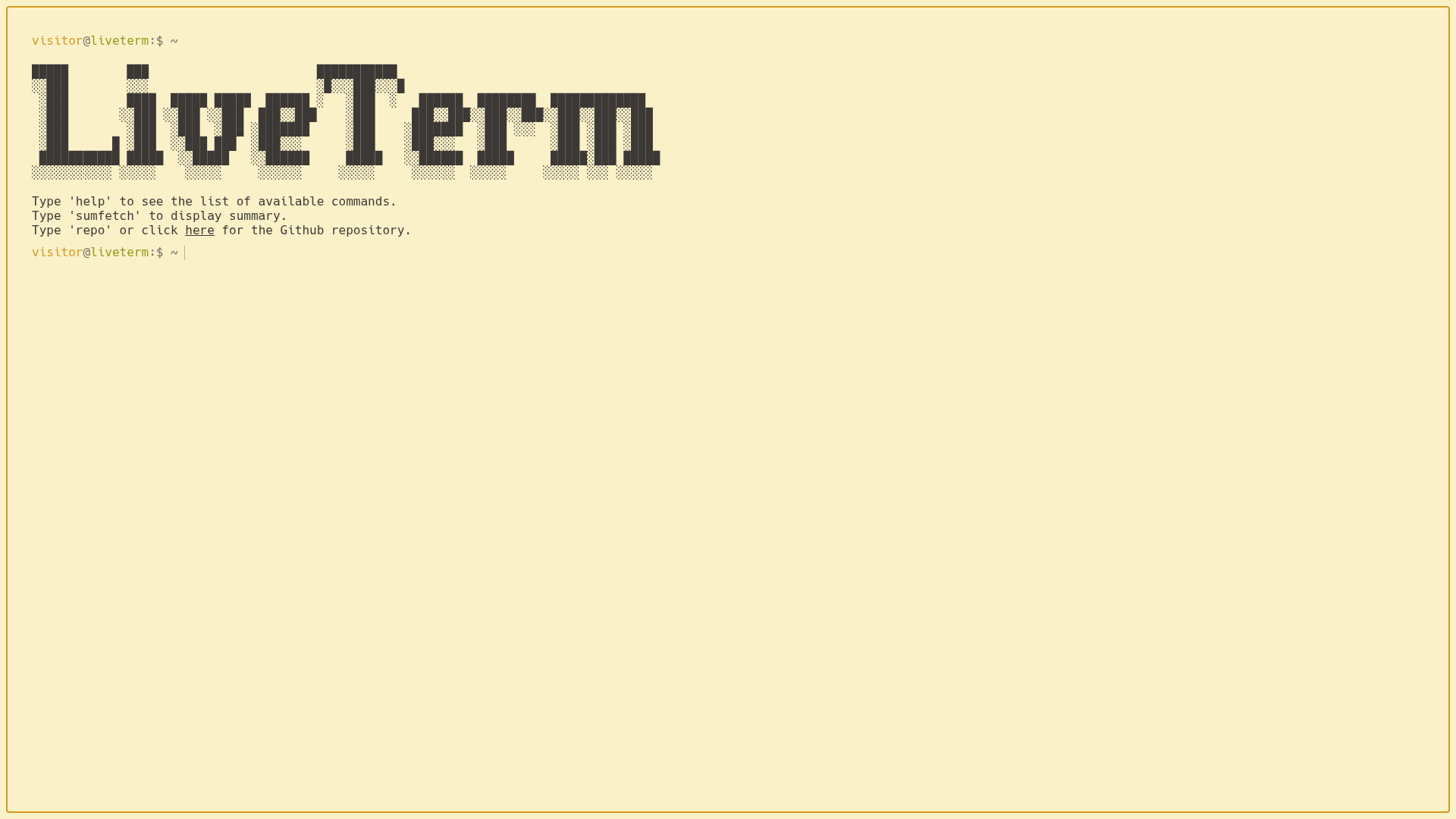
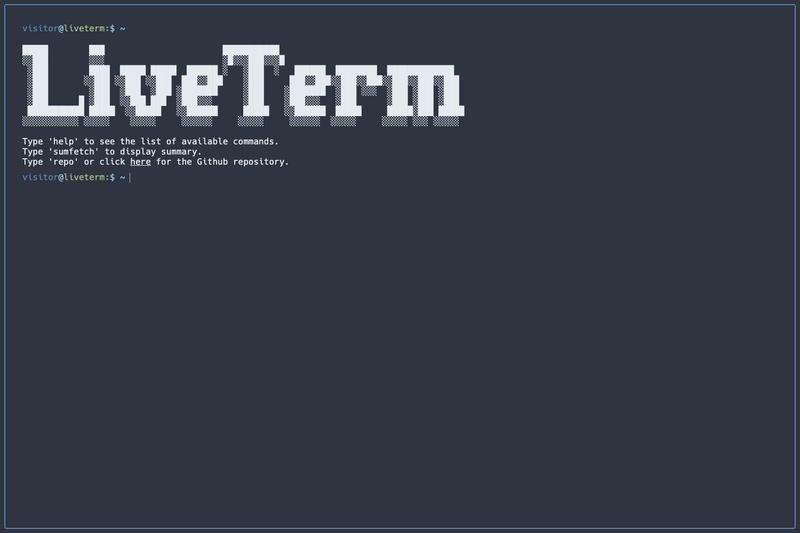
LiveTerm is an open-source, terminal-styled website template built on Next.js and TypeScript that renders a fully interactive command-line interface website from a single config.json file. You can ship a working personal site in minutes by editing one configuration file, with no need to touch JSX. LiveTerm runs on the Next.js framework, is installable via a one-line shell script or git clone, and deploys to Vercel with zero extra configuration.
LiveTerm is a highly customizable, minimal terminal-styled website template powered by Next.js. It takes one configuration file — config.json — as input and produces an interactive terminal-like website where visitors type commands like about, social, and banner to view your information. The template is authored by Cveinnt and is based on M4TT72's Terminal project. LiveTerm is open-source and available on GitHub.
config.json: set your name, ASCII art, email, GitHub and LinkedIn handles, resume URL, hostname, and color scheme.themes.json ships several color themes derived from the vscode-base16-term palette, which you can swap into config.json for light or dark mode.about, banner, and link commands, giving a playful developer-oriented browsing experience.sh -c "$(curl -fsSL https://raw.github.com/Cveinnt/LiveTerm/main/install/install.sh)" to install LiveTerm in the current directory.docker-compose.yml is included so you can run the site in a container with docker-compose up -d.Developers and technical creatives who want a non-traditional personal website. Developers use it to show their bio, GitHub, LinkedIn, and resume in a terminal interface. Job seekers can spin up a distinctive portfolio site in under five minutes without writing custom React components. Tinkerers can repurpose it as a browser startpage, project page, or even a web music player interface.
Install it with the one-line curl script or git clone https://github.com/Cveinnt/LiveTerm.git, then run yarn install && yarn dev. Open the local dev server and edit config.json; saving the file reflects changes in real time. When you're ready, push the repository to GitHub and connect it to Vercel for automatic deployment.
LiveTerm is an open-source GitHub repository, so you can freely clone, modify, and deploy your own instance. The project's source code is public, and it does not gate features behind a paid tier.
Yes — LiveTerm expects yarn for installing dependencies and running the dev server. You can install yarn from the official docs, then run yarn install && yarn dev in the project directory.
Yes, the template is built on Next.js, so Vercel is the recommended host. You can connect your GitHub repository to Vercel and it will auto-deploy on every push, or use the vercel CLI to deploy manually.
Most customization happens in config.json, where you change the title, name, ASCII art, social links, email, resume path, prompt hostname/username, and color scheme. Themes in themes.json can be copied in without writing CSS.
Yes, the repository includes a Dockerfile and docker-compose.yml. After customizing config.json, run docker-compose up -d to start the container in the background.