Newsletter
Join the Community
Subscribe to our newsletter for the latest news and updates
A personal website and blog built with Jekyll, featuring markdown posts, categories, and social media metadata.
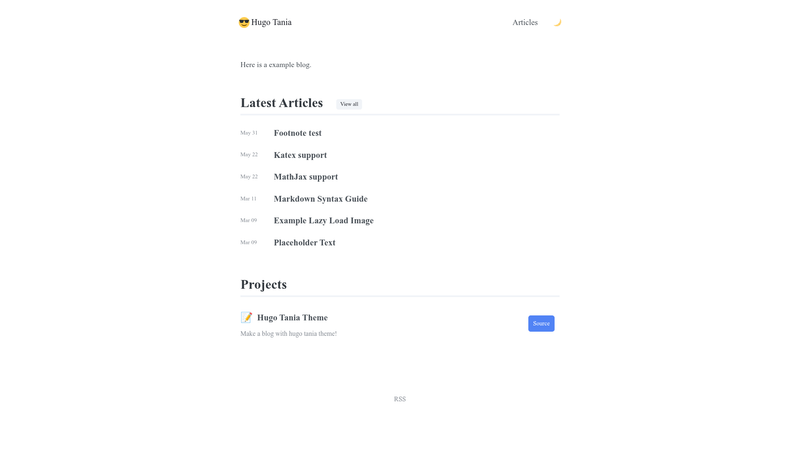
A simple Hugo theme for bloggers with dark mode, floating footnotes, and category-filtered search.
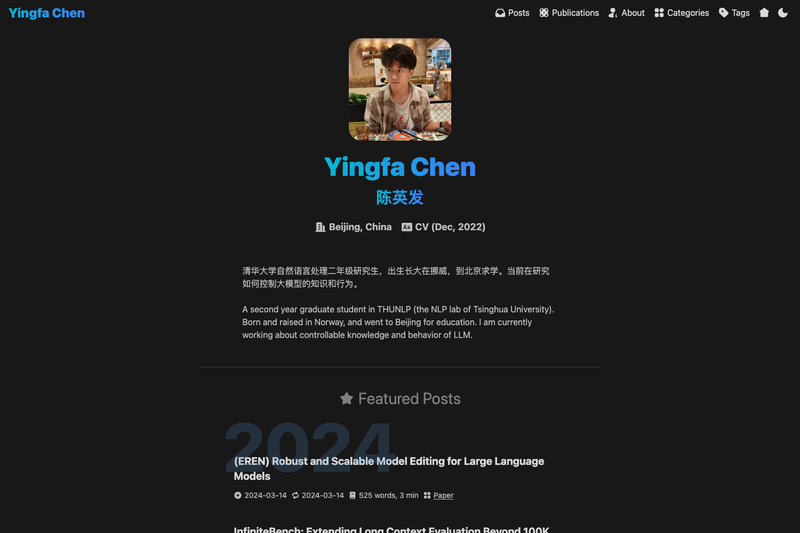
A minimalistic Hexo theme with zero-config setup, automatic light/dark mode, and MathJax, Mermaid, and Fancybox support.
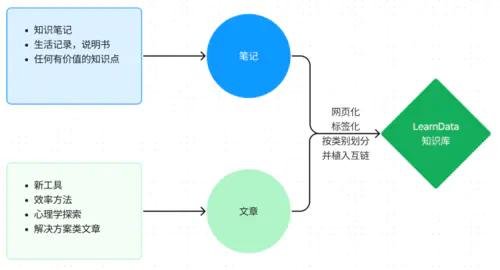
开源笔记模板,一键部署个人知识库和博客 | 开源工具、效率方法、心理学探索的自我提升笔记
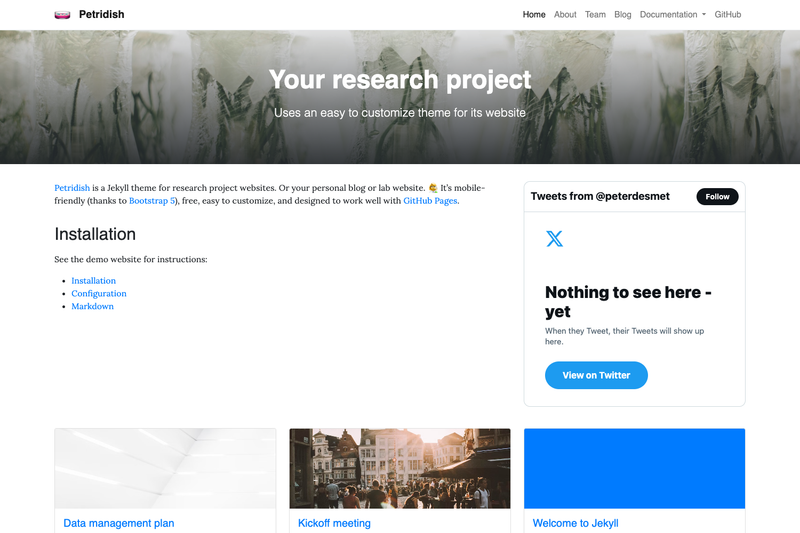
Jekyll theme for research project websites, personal blogs, and lab sites, styled with Bootstrap 5 and built for GitHub Pages.
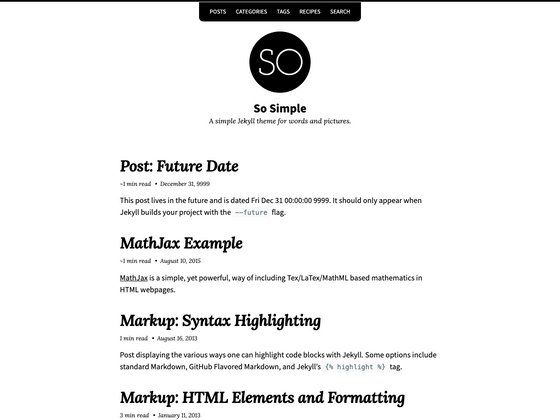
A simple Jekyll theme for words and pictures, featuring microformats markup, Disqus comments, Google Analytics, and SEO via jekyll-seo-tag.
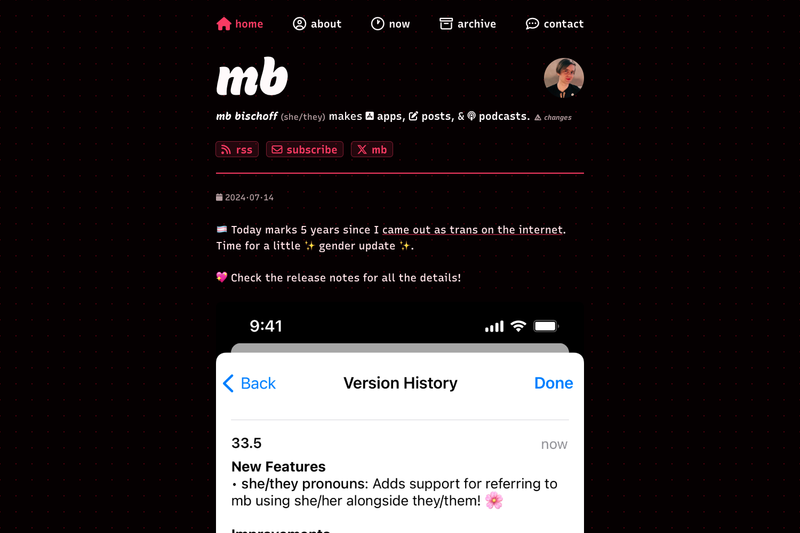
Matthew Bischoff's personal website is a Jekyll-powered blog template that converts markdown posts into a static site with permalinks, categories, tags, and social media sharing metadata. The template is the source for mbbischoff.com, a personal website repository described simply as "A personal website."
This is a static-site blog template built on Jekyll, the Ruby-based static site generator. It takes markdown files placed in the _posts folder and generates a blog with individual post pages; the filename of each markdown file determines the post's permalink unless overridden in front matter. The template includes category support, multiple post formats, and social media metadata fields, making it a self-contained personal publishing platform.
_posts; the title portion of the filename sets the permalink, and Jekyll builds the HTML pages.title, permalink, layout, image, description, format, categories, and tags fields in YAML front matter; title and layout are required, while the others are optional.format field can be set to post (default), link, or short, changing the layout type of the post._category folder, each containing title, permalink, and name front matter; posts can then assign themselves to existing categories via the categories field.image and description front matter fields control the image and text shown when a post is shared on social media.bundle exec jekyll serve to serve the site locally during development.color field (red, purple, violet, blue, cyan, green) controls tweet background color, though it is deprecated.format field to choose between a standard post, a link post, or a short post, all from the same markdown pipeline.image and description fields per post to define what appears when the post is shared on Facebook, Twitter, or other platforms.bundle exec jekyll serve to iterate on posts and design before deploying.The workflow is: create a markdown file in _posts with the required front matter (title and layout), optionally set category and format fields, and place the file in the folder. Jekyll builds the site into static HTML, and the post becomes accessible at the permalink derived from the filename or permalink property. To add a category, create a markdown file in _category with the appropriate front matter.
Create a markdown file in the _posts folder. The filename determines the permalink by default, and it must include front matter with at least title and a layout set to post. You can optionally add permalink, image, description, format, categories, and tags.
Only title and layout are required. layout should always be set to post. All other fields — permalink, image, description, format, categories, and tags — are optional.
Create a markdown file in the _category folder, for example animals.md, containing front matter with title, permalink, and name. Then reference that category in a post's categories field.
Yes. Set the permalink field in the front matter to override the default permalink derived from the filename. If permalink is not provided, the filename determines the URL.
In the post's markdown, insert the standard Jekyll read-more marker (an HTML comment worded as "more") at the point where you want the home page preview to end. Jekyll will insert a "read more" button at that position.