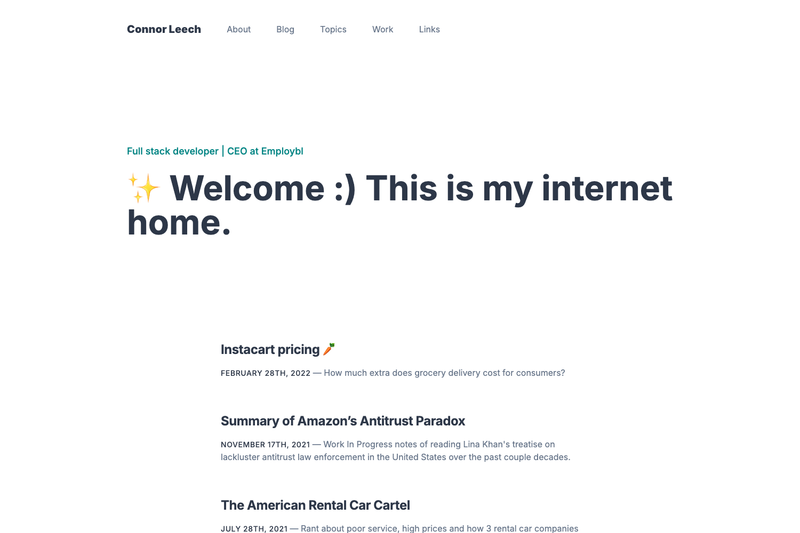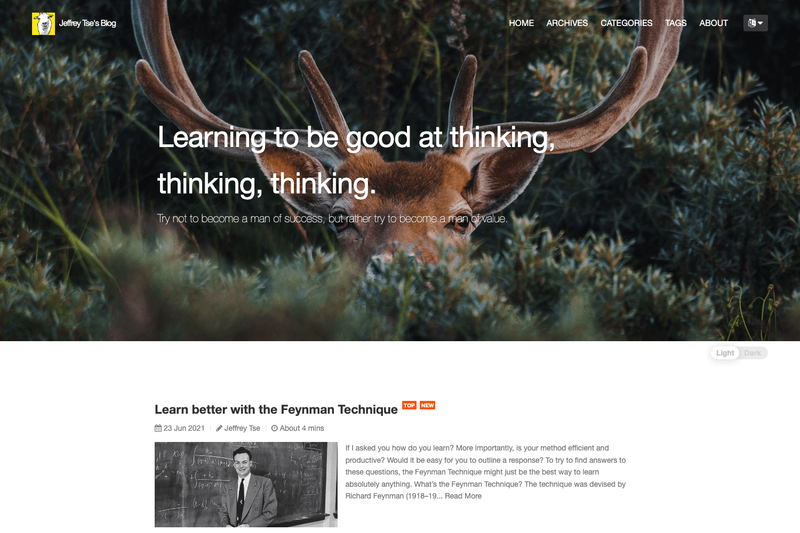
Memoirs Statiq Kontent Theme is an open-source blog theme that pairs the Statiq .NET static site generator with Kontent.ai, a headless CMS, to build a static blog with content managed in a Kontent project. It runs on the Kontent.Statiq library, takes content from a Kontent project (specified by a Project ID in appSettings.json), and outputs a fully static website with posts, pages, search, feeds, and SEO metadata. The theme is adapted from the Memoirs Jekyll theme by Wowthemes and is maintained under the GitHub account alanta.
What is Memoirs Statiq Kontent Theme?
Memoirs Statiq Kontent Theme is a complete blog theme for Statiq and Kontent (formerly Kentico Kontent), built to work with the Kontent.Statiq NuGet library. It takes as input a Kontent project containing posts, pages, taxonomy, and other content types, and produces a static website with HTML, CSS, and JavaScript. The theme includes a live demo hosted on GitHub Pages, and its source is available under the alanta/memoirs-theme repository with 14 stars at the time of writing.
Key Features
- Posts & Pages — Supports quotes, spoilers (blurring), GitHub Gists, Prism.js code highlighting, related pages, tags and categories taxonomy, ratings, a Formspree contact form, and Disqus comments.
- Table of Contents — Automatically generated from HTML headings, helping readers navigate long posts.
- SEO support — Open Graph and Twitter Card metadata are included for social sharing.
- Google Analytics — Enable tracking by setting the GoogleAnalytics key in appsettings.json; Google Tag Manager is also supported.
- Search — A pre-compiled Lunr index provides client-side search without an external service.
- Feeds — Atom and RSS feeds are generated for subscribers.
- HTML minification — Uses NUglify to compress output HTML for faster loads.
- Deployment workflow — Includes a GitHub Actions workflow (
.github/workflows/dotnet-core.yml) to deploy to GitHub Pages; configuration via repository secrets for LinkRoot and Host.
Who is it for?
- Blog developers who want a ready-made blog with a headless CMS backend and a static front end, saving time wiring up Kontent and Statiq manually.
- Kontent users who are comfortable with .NET and want a full-featured theme that supports comments, search, and analytics out of the box.
- Static site enthusiasts looking to move from Jekyll or other generators to Statiq; this theme shows an end-to-end pattern for content-driven sites.
What can you do with Memoirs Statiq Kontent Theme?
- Bloggers: Publish posts with rich formatting — quotes, spoilers, code snippets, and ratings — and let readers comment via Disqus or send you messages through a Formspree-powered contact form.
- Content teams: Manage all site content in a Kontent project, use the imported
content.zipto quickly scaffold a demo, and then replace it with their own items. - Developers: Customize the theme by editing
appsettings.jsonfor site name, Google Analytics, and Disqus settings, and adjust Prism.js ininput/assets/js/prism.jsto support additional languages.
How does it work?
- Click "Use this template" to create a repository from the codebase, then clone it locally. Ensure .NET 6 SDK is installed.
- Run
dotnet run -- previewto start a preview server athttp://localhost:5080/; optionally add--virtual-dir memoirsto emulate a subfolder deployment. - To use your own Kontent project, create an empty project at app.kontent.ai, copy the Project ID and Management API key, then restore the provided
content.zipwith the Kontent Backup Manager command:kbm --action=restore --projectId=<Project ID> --apiKey=<Management API key> --environmentId=<Environment Id> --zipFilename=content. - For production, enable GitHub Actions, copy the workflow file, and set the
LinkRootandHostrepository secrets.
Pros and cons
- Pros: Full-featured out of the box (search, SEO, comments, contact form); uses a modern headless CMS workflow; deployable to GitHub Pages with a provided CI workflow.
- Cons: Requires .NET 6 SDK to run locally; default content source is a shared Kontent project until you configure your own; adapting the design may require editing Razor templates and SCSS (not fully documented on the page).
Pricing
The theme itself is free and open-source, distributed via GitHub's "Use this template" feature. External services used by the theme — Kontent.ai, Formspree, Disqus, and Google Analytics — are separate and may have free or paid tiers; the theme does not require their paid plans to function, but limits apply per those services.
Alternatives
- Memoirs Jekyll Theme by Wowthemes — the original Jekyll version that this theme was adapted from, for users who prefer Jekyll over Statiq.
- Chirpy Jekyll Theme — a popular Jekyll blog theme with rich features, though not tied to a headless CMS.
- Hugo Academic — a Hugo-based theme for academic websites, if you prefer the Go-based Hugo generator.
FAQ
Is Memoirs Statiq Kontent Theme free?
Yes, the theme is open-source and free to use. You can create your own repository from the GitHub template and customize it as you like. There are no licensing fees associated with the theme code itself.
What do I need to run it locally?
You need the .NET 6 SDK installed on your machine. After cloning the repository, run dotnet run -- preview and open http://localhost:5080/ in your browser. No Kontent account is required to test the default demo content.
How do I set up my own Kontent project?
Create a project at app.kontent.ai, obtain the Project ID and Management API key, then restore the provided content.zip using the Kontent Backup Manager CLI. Update the DeliveryOptions:ProjectId in appSettings.json to point to your project and publish the imported items.
Can I deploy to GitHub Pages?
Yes. Enable GitHub Actions in your repository, copy the .github/workflows/dotnet-core.yml workflow, and set the LinkRoot and Host repository secrets. The workflow builds the static site and publishes it to GitHub Pages automatically.
Does it support comments and contact forms?
Yes, it integrates Disqus for comments and Formspree for a contact form. You only need to set your Disqus identifier (DisqusId setting) and your Formspree endpoint is configured in the contact form template.