Newsletter
Join the Community
Subscribe to our newsletter for the latest news and updates

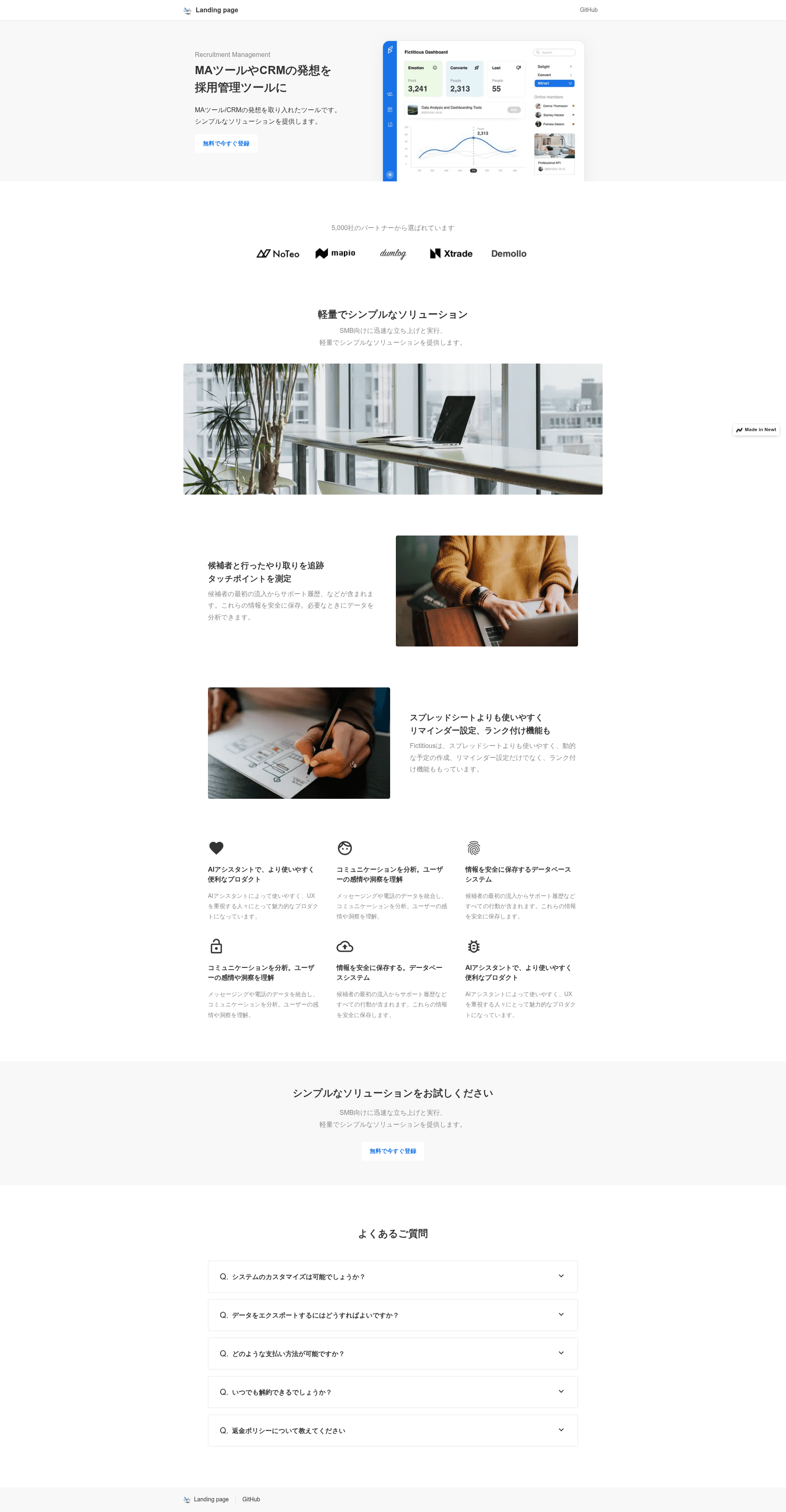
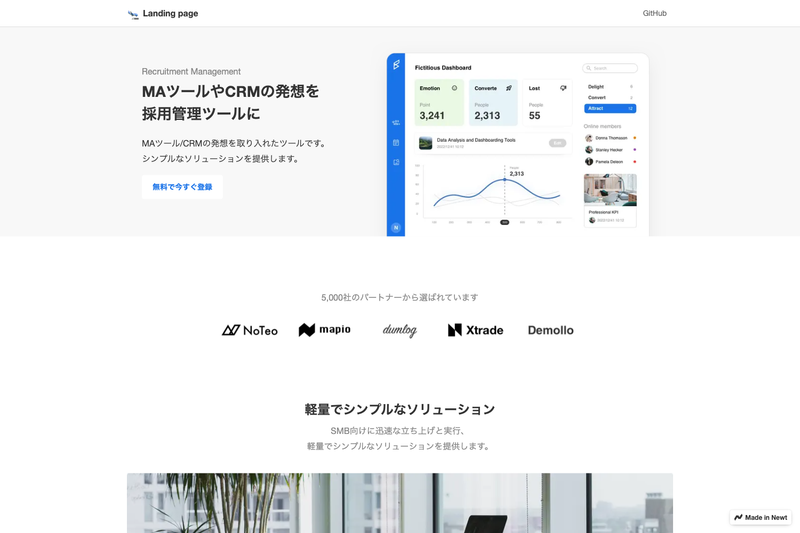
Next.js landing page starter using the Newt headless CMS, with App Router, pre-built content models, and Vercel deployment.
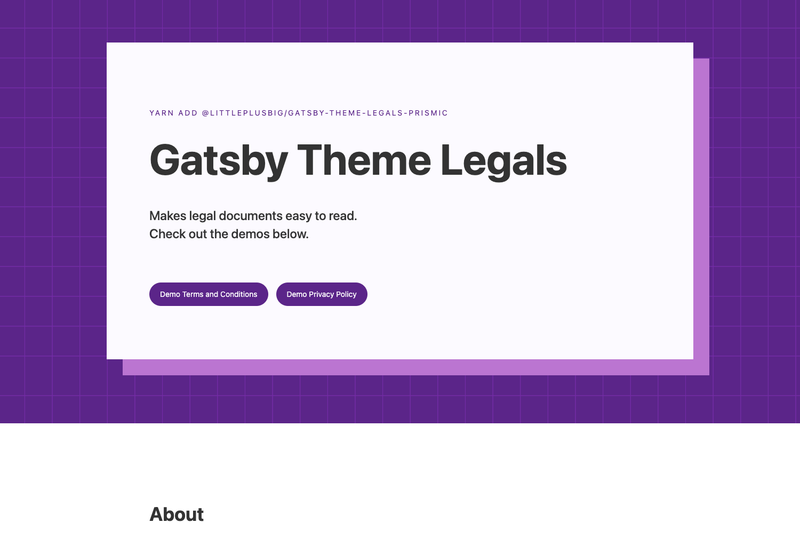
Gatsby theme for adding polished, responsive legal pages to your site, with content managed in Prismic.
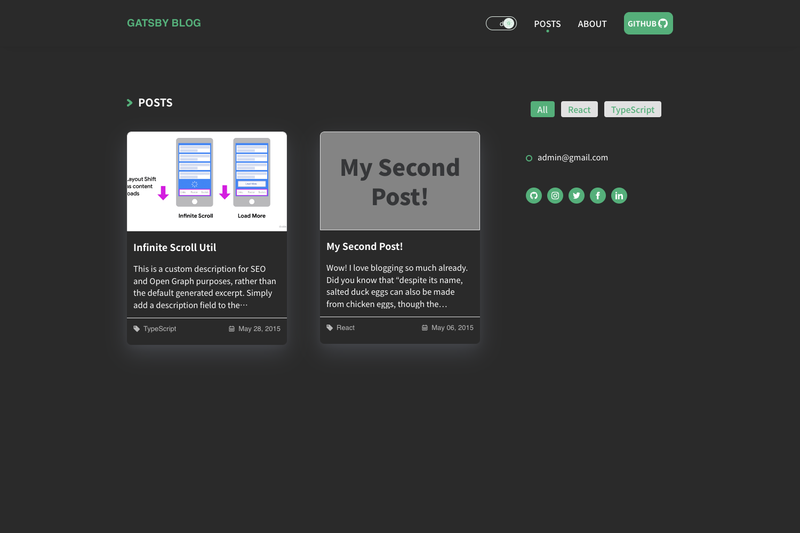
A simple blog starter focused on the post, and with typescript.
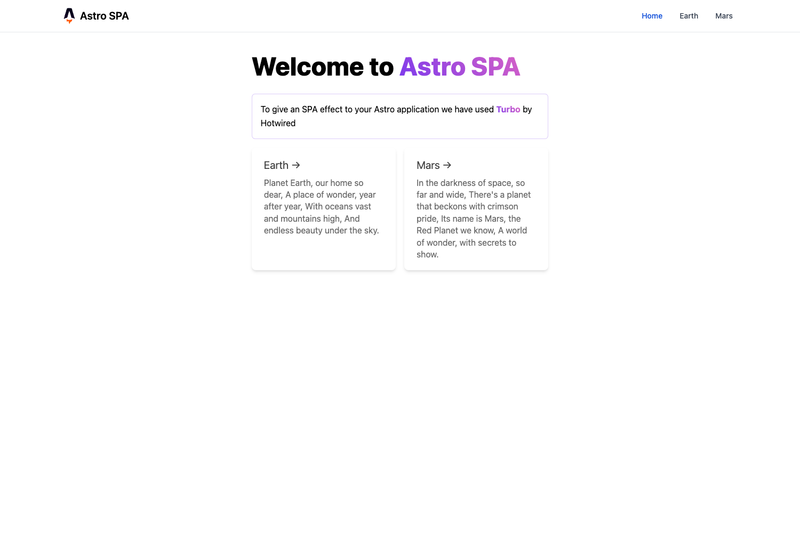
A simple boilerplate to get started with Astro JS & Tailwind CSS with SPA behaviour.
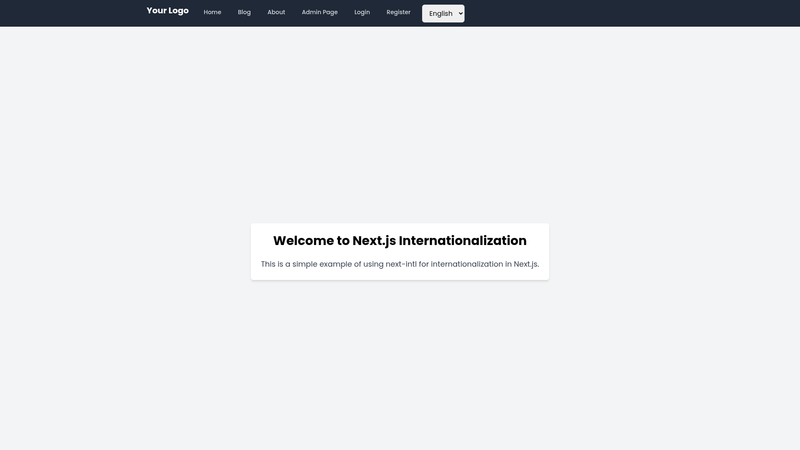
Next.js starter with i18next internationalization, NextAuth authentication, Tailwind CSS, and TypeScript.
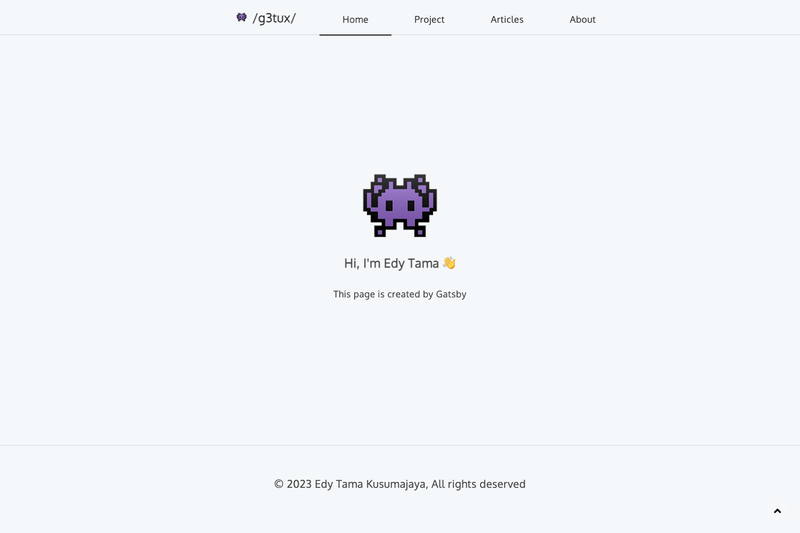
A simple Gatsby.js theme for personal blogs and portfolios, built from the official gatsby-starter-default.
Newt Starter Next.js Landing Page is a boilerplate for building a marketing landing page with the Next.js App Router and the Newt headless CMS, pairing pre-defined content models with a Vercel-ready deployment flow.
Newt Starter Next.js Landing Page is a starter template created by Newt Inc. that connects the Newt headless CMS to a Next.js site. It takes content managed in Newt landing page apps — pages with a slug and composed sections — and renders those as a top page that redirects to a detail page, plus dynamic detail routes at /pages/[slug]. The project runs on Next.js App Router, is written in TypeScript, and includes a full setup guide for creating a Newt space, app, and CDN API token.
/ that redirects to a detail page, and a dynamic route at /pages/[slug]; source files are app/page.ts and app/pages/[slug]/page.tsx.NEXT_PUBLIC_NEWT_SPACE_UID, NEXT_PUBLIC_NEWT_APP_UID, NEXT_PUBLIC_NEWT_API_TOKEN, NEXT_PUBLIC_NEWT_API_TYPE, and NEXT_PUBLIC_NEWT_PAGE_MODEL_UID.landing-page) with a required pageName, unique slug, Meta information, and a multi-type sections field./pages/[slug], with the top page redirecting to a primary detail page.titleCopy, text, image, and ctaButton.Setup follows three steps documented in the README. First, create a Newt space, add a landing page app from the template gallery, and generate a CDN API token. Second, copy .env.local.example to .env.local and fill in the space UID, app UID, and API token, plus the other NEXT_PUBLIC_ variables. Third, install dependencies with yarn install or npm install and start the dev server on localhost:3000.
No. Newt Inc. has announced that the Newt headless CMS will be retired on 2026-11-24. After that date, the admin console and API will no longer work, so this starter will not function unless the CMS backend is replaced before then.
You need NEXT_PUBLIC_NEWT_SPACE_UID, NEXT_PUBLIC_NEWT_APP_UID, NEXT_PUBLIC_NEWT_API_TOKEN, NEXT_PUBLIC_NEWT_API_TYPE, and NEXT_PUBLIC_NEWT_PAGE_MODEL_UID. Instructions reference the .env.local.example file in the repository.
The sections field accepts a multi-type list. The available section types are hero area, logo area, feature area (full image), feature area (image right), feature area (image left), feature area (3 columns), CTA area, and FAQ area.
The README does not mention any CSS framework or styling system. The template is focused on structure and content delivery; styling would need to be added or customized by the developer.