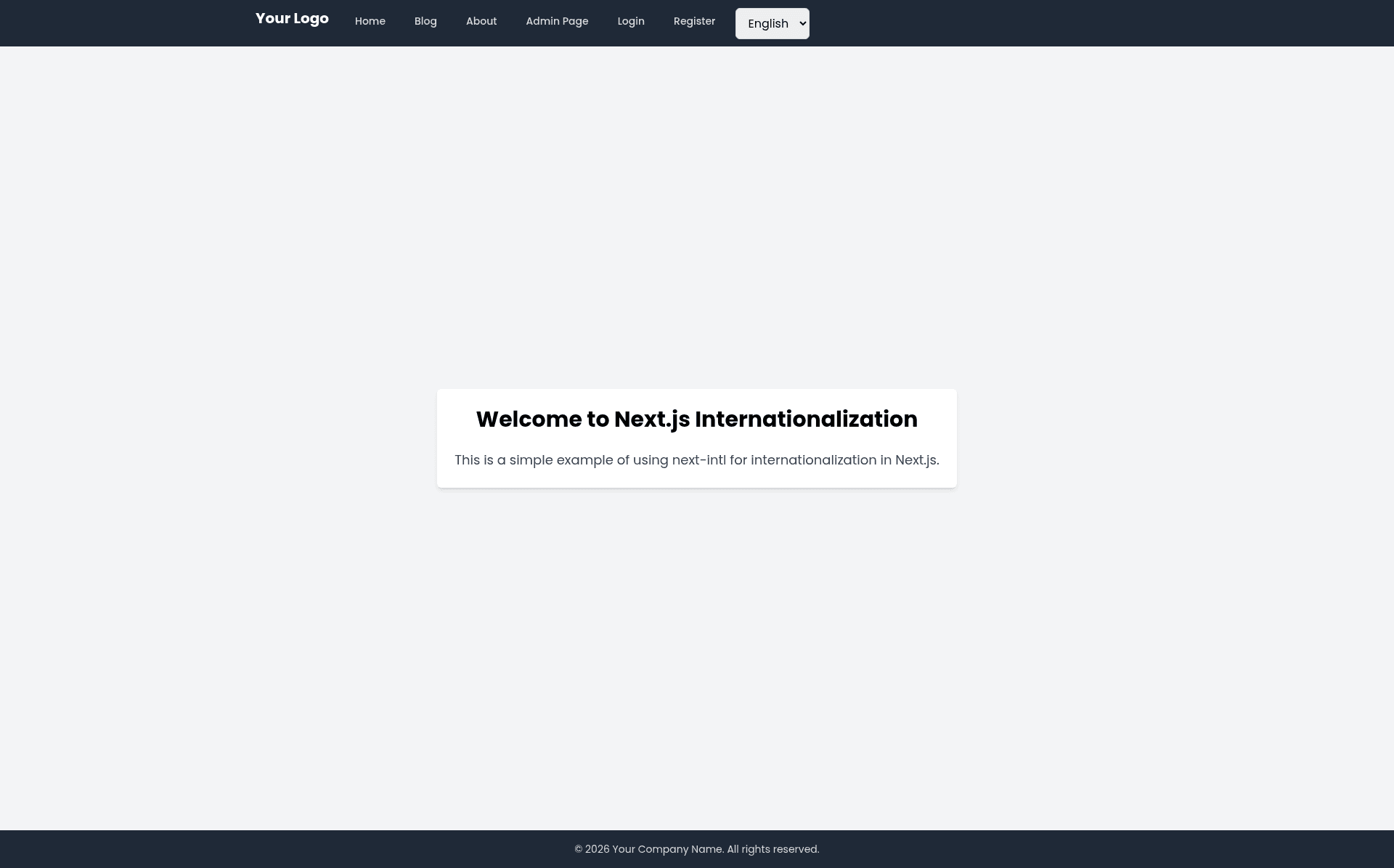
next-intl-nextauth is a Next.js boilerplate that bootstraps a new web application with i18next-based internationalization, NextAuth authentication, Tailwind CSS styling, and TypeScript, using the standard create-next-app structure.
What is next-intl-nextauth?
next-intl-nextauth is a starter project bootstrapped with create-next-app, so it follows the official Next.js App Router layout with an app/page.tsx entry point. According to its GitHub repository topics, this template adds i18next (via the intl topic) for managing translations and locales, NextAuth (via the nextauth topic) for authentication, Tailwind CSS for utility-first styling, and TypeScript for type safety. It serves as a foundation for building production-ready multilingual apps that require user accounts, and it avoids the repetitive setup of wiring these libraries together. The repository has 33 stars on GitHub.
Key Features
- Next.js App Router — Uses the
app/directory; editingapp/page.tsxtriggers automatic page reloads in development. - i18next internationalization — Repository tags include i18next and intl, indicating the template is set up to handle multi-language translations and locale detection.
- NextAuth authentication — The nextauth topic indicates auth flows (e.g., session management, sign-in) are pre-configured, so you can add providers or credentials quickly.
- Tailwind CSS — The tailwindcss topic shows Tailwind is integrated for styling components without writing custom CSS.
- TypeScript — The typescript topic means the codebase is typed, which improves editor support and reduces runtime errors.
- Inter font optimization — Uses
next/fontto automatically load and optimize the Inter custom Google Font, as stated in the README. - Multiple package manager support — You can run
npm run dev,yarn dev,pnpm dev, orbun devto start the local server. - Vercel deployment — The provided README recommends deploying through the Vercel Platform, which is designed for Next.js apps.
Who is it for?
- Developers building multilingual web apps — use the i18next integration as a starting point for translating content into multiple languages.
- Teams that need user authentication — the NextAuth setup saves time when adding login/signup and protected routes.
- Next.js developers who want a typed, styled foundation — the combination of TypeScript and Tailwind CSS gives a clean base for custom projects.
What can you do with next-intl-nextauth?
- Internationalized SaaS dashboards: Create a dashboard with language switcher and login, instead of wiring i18n and auth from zero.
- Auth-gated content sites: Use NextAuth to protect member-only pages while keeping the UI translated via i18next.
- Learning and prototyping: Study how i18next and NextAuth are configured in a real Next.js App Router project, or adapt it for a hackathon MVP.
How does the starter work?
The README describes the standard create-next-app workflow: install dependencies with a package manager, run the dev command (npm run dev, etc.), and open http://localhost:3000. The main entry is app/page.tsx; saving changes to that file updates the page automatically. For production, the easiest documented path is deploying to Vercel.