Newsletter
Join the Community
Subscribe to our newsletter for the latest news and updates

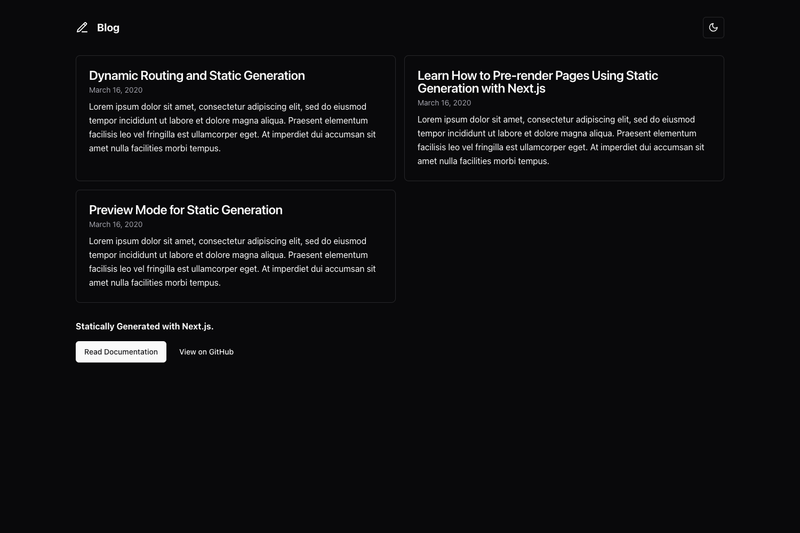
A minimal blog template built with Next.js, Tailwind CSS, and shadcn/ui, ready for static export.
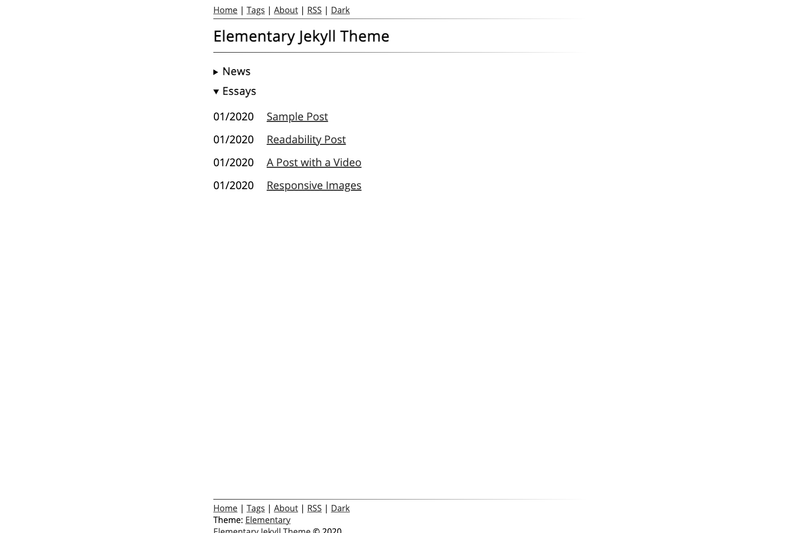
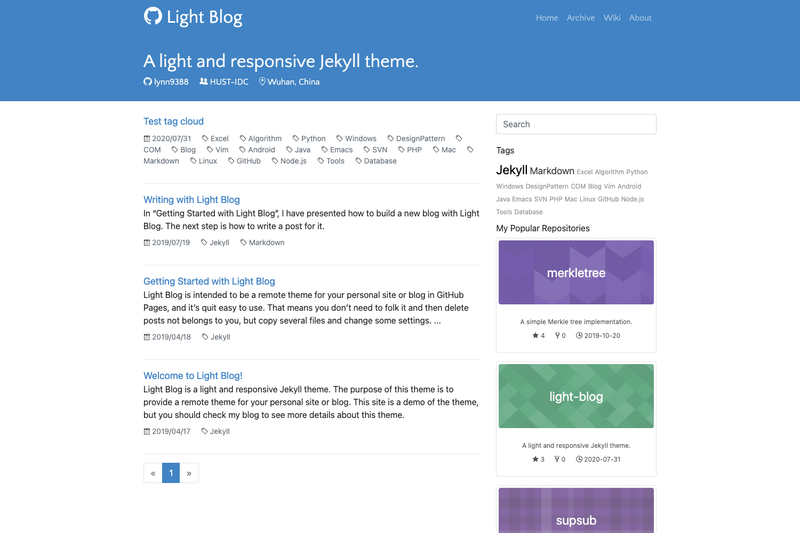
Minimal Jekyll theme optimized for performance, accessibility, usability and readability.
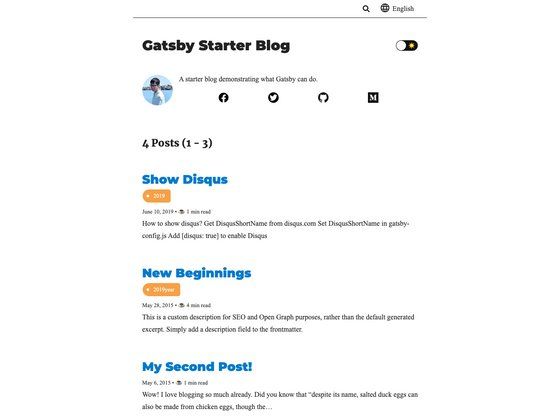
A Gatsby starter blog with overreacted design, tags, Algolia search, i18n, Disqus, breadcrumbs, and ESLint support.
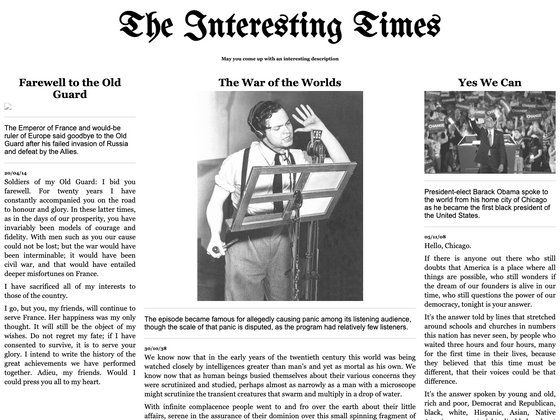
Free MIT-licensed newspaper-style Jekyll theme for blogs and news sites with GitHub Pages support.
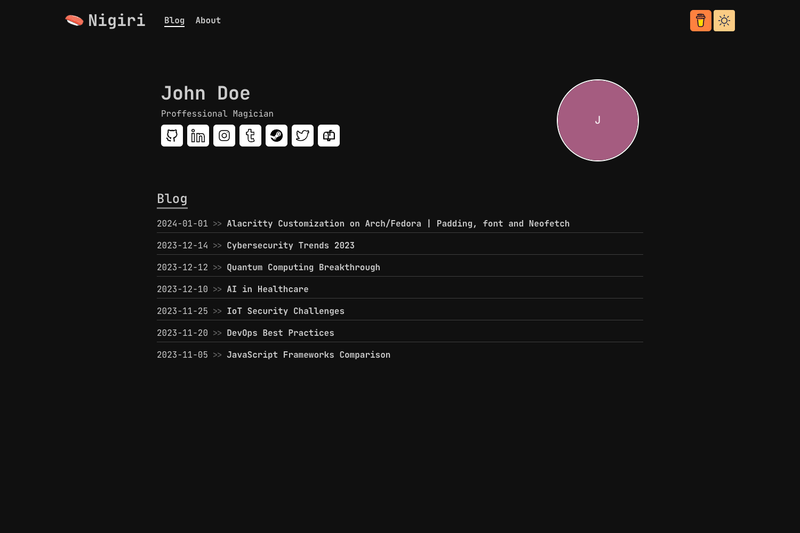
The Nigiri Next.js Blog template allows you to create a personalized blog with ease.
Next Template Blog is a minimal blog template built on Next.js with Tailwind CSS and shadcn/ui components, providing a clean, lightweight starting point for developers who want to publish a static blog.
This is a starter project for a blog. It uses the Next.js React framework for page rendering, Tailwind CSS for utility-first styling, and shadcn/ui for accessible, copy-paste components. The template is intentionally minimal, focusing on content and performance. Developers install dependencies with npm i and run npm run dev to preview, then produce a static export with npm run build. The build output lands in an out directory, which can be served with npx serve out.
npm run build command outputs a static site to the out folder, ready to be hosted on any static file server.npm run dev for development, npm run build for production build.npm run dev, and begin writing content in a minimal, focused environment.npm run build to produce an out directory containing static HTML, CSS, and JS files.npx serve out can also be uploaded to services like Netlify, Vercel, or GitHub Pages.The template uses a straightforward workflow: install dependencies with npm i, run a local development server with npm run dev, and create a production build with npm run build. Because the build outputs to an out folder, you can serve the site with npx serve out or any static file server. This indicates the project is configured for static export, meaning the final site does not require a Node.js server at runtime.
Running npm run build generates a production build in the out directory, which contains static files that can be served by any web server. This suggests the template is configured for static export.
Yes, the presence of npx serve out in the build instructions indicates that the final output is a static site, which can be hosted on static file hosting services without a backend.
The template uses Tailwind CSS for utility-first styling and includes shadcn/ui components, which are styled using Tailwind, allowing for easy customization.