Newsletter
Join the Community
Subscribe to our newsletter for the latest news and updates

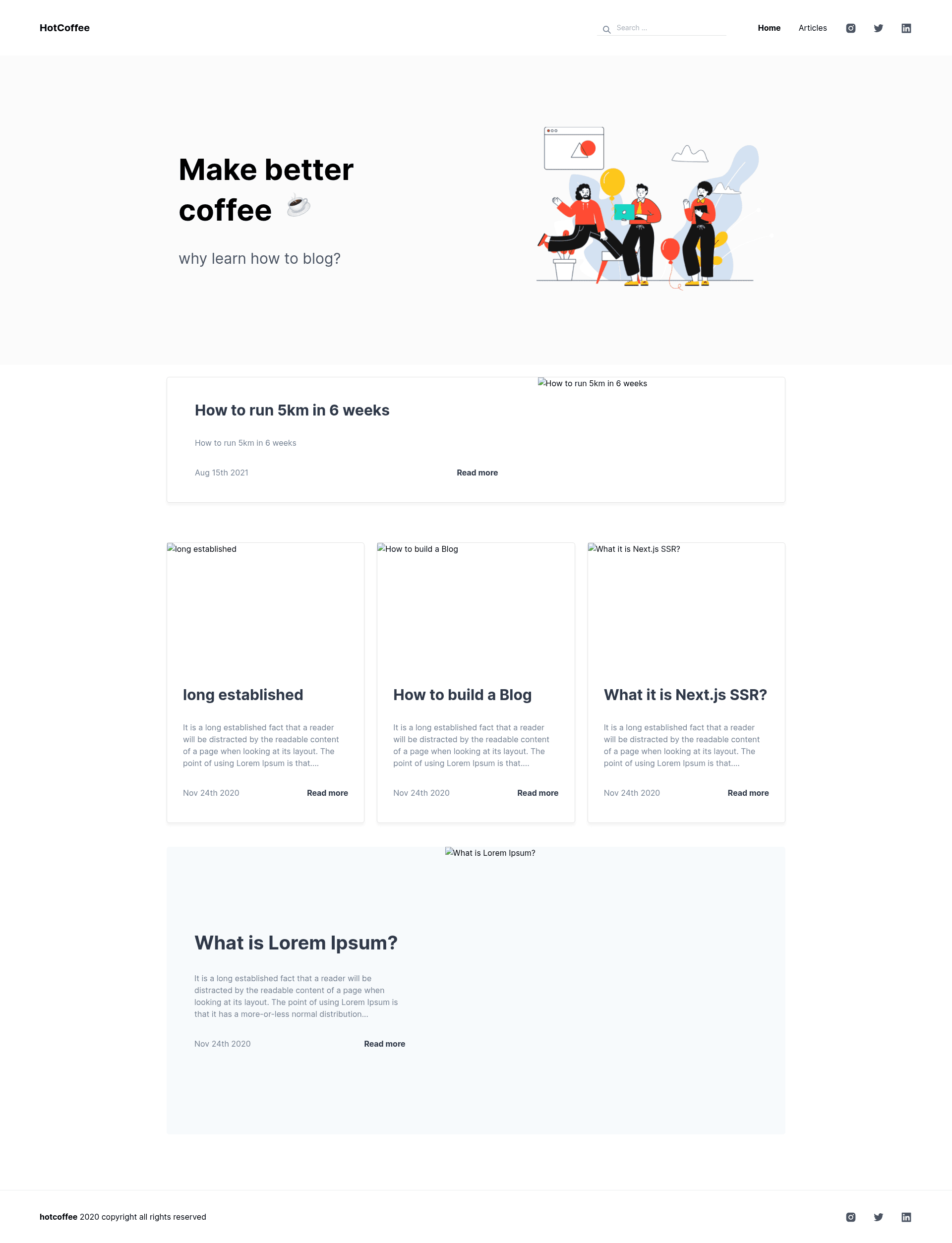
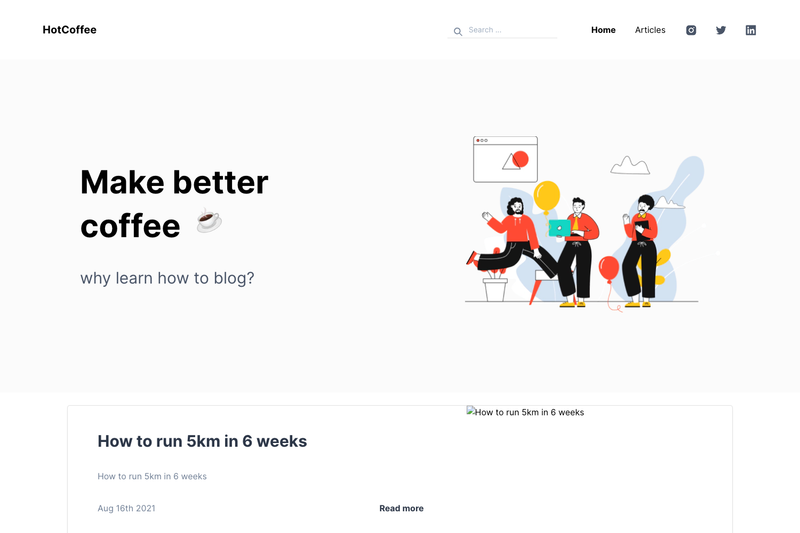
Blog using GraphCMS to manage content and posts. Made with Next.js, Markdown and Chakra UI.
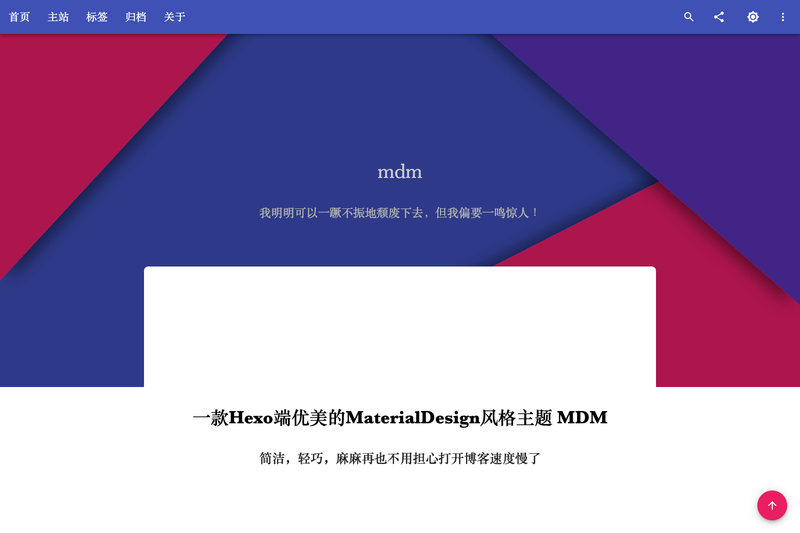
A Material Design style Hexo theme that is simple, lightweight, and fast-loading.
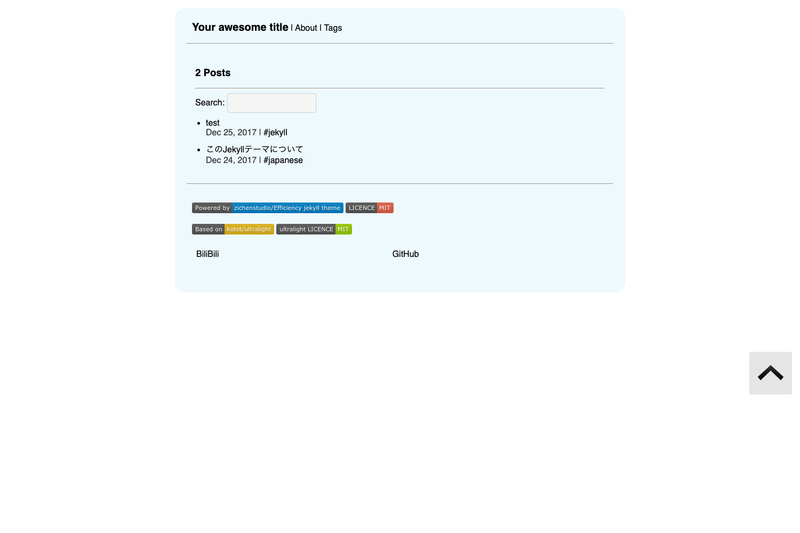
An open-source Jekyll theme for blogs, based on kotet/ultralight, claiming 18% faster performance, with syntax highlighting and smooth scrolling.
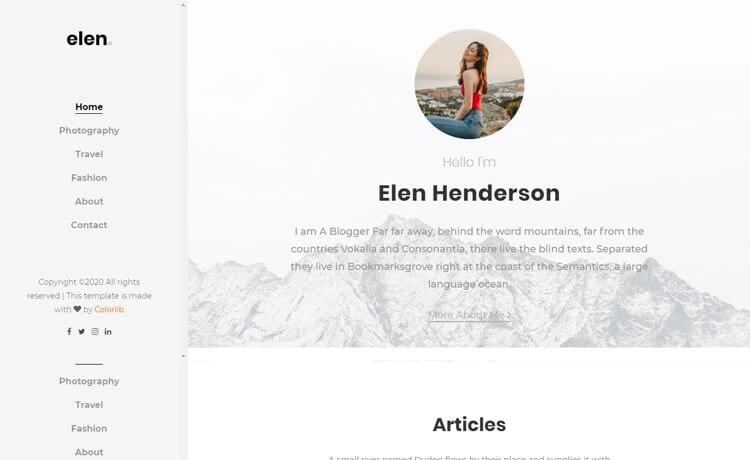
Free Bootstrap 4 HTML5 blog website template with hero header, sticky sidebar, image slider, and 7 HTML pages.
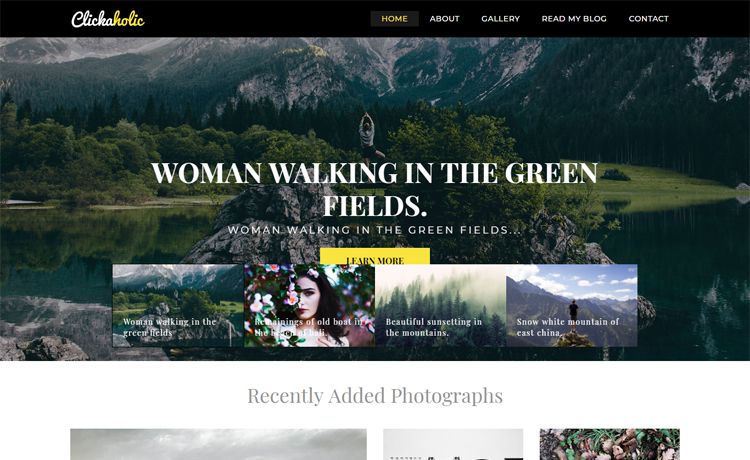
Free Bootstrap 4 HTML5 personal travel blog website template with multi-page design, hero slider, lightbox gallery, and PHP/AJAX contact form.
Next.js Blog CMS is a free MIT-licensed blog starter that pairs Next.js with the GraphCMS headless CMS to publish and manage Markdown articles from a live demo at blogcms.vercel.app.
Next.js Blog CMS is an open-source blog template created by Rafael Goulart that uses Next.js for front-end rendering, GraphCMS as the content management system, and Chakra UI for component styling. It accepts article content authored in GraphCMS and renders it as a browsable blog with article lists, detail pages, search, and pagination. The project is deployed on Vercel and includes a Figma Community layout that defines the UI design.
The template ships with the following content-management and browsing features:
GRAPHQL_URL_ENDPOINT value to the renamed .env file.The template suits developers and content editors building a JAMstack blog:
The project supports three main workflows:
To run the project locally, clone the repository, rename .env-exemple to .env, set GRAPHQL_URL_ENDPOINT to your GraphCMS GraphQL URL, then install dependencies with yarn install and start the dev server with yarn dev. The blog is then available at http://localhost:3000. The Next.js front end fetches Markdown content from GraphCMS through GraphQL and renders it using Chakra UI components.
Next.js Blog CMS is free and open source under the MIT license. There are no license fees, subscriptions, or paid tiers; you only pay for hosting and CMS services you choose separately.
Yes, the template is released under the MIT license, so it can be used, modified, and distributed without charge. Costs come only from external services like Vercel hosting or a GraphCMS plan if you use them.
It uses GraphCMS as the headless content management system. Content authors edit posts in GraphCMS, and the Next.js app pulls that content through a GraphQL endpoint configured in the .env file.
The project includes an Edit Articles feature. Editors can modify existing posts in the GraphCMS admin interface, and the changes appear on the blog after being published.
Create a GraphCMS project, define the post model, and copy the GraphQL endpoint URL into the GRAPHQL_URL_ENDPOINT environment variable. Then articles added in GraphCMS will appear on the blog automatically.