Newsletter
Join the Community
Subscribe to our newsletter for the latest news and updates

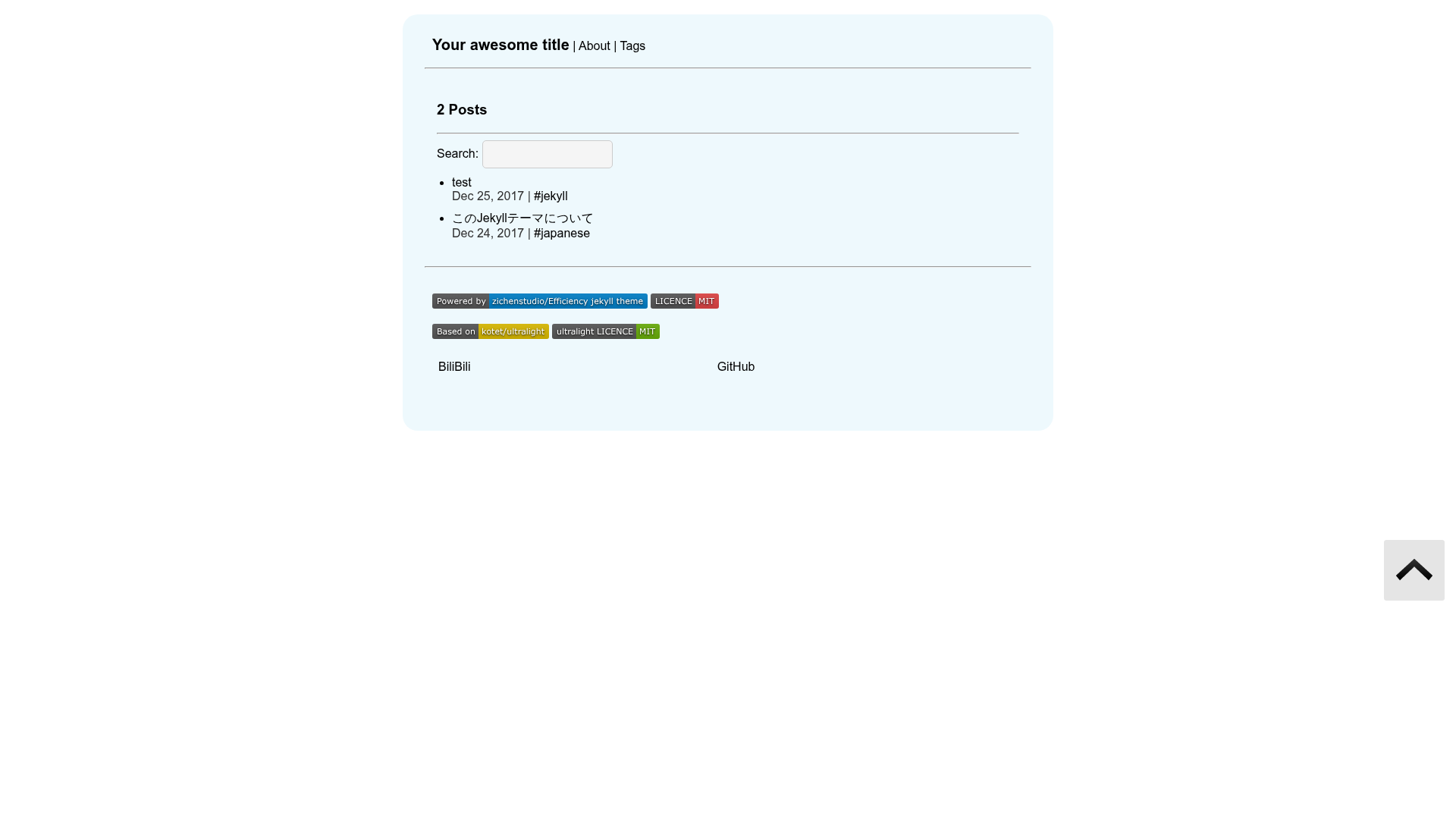
An open-source Jekyll theme for blogs, based on kotet/ultralight, claiming 18% faster performance, with syntax highlighting and smooth scrolling.
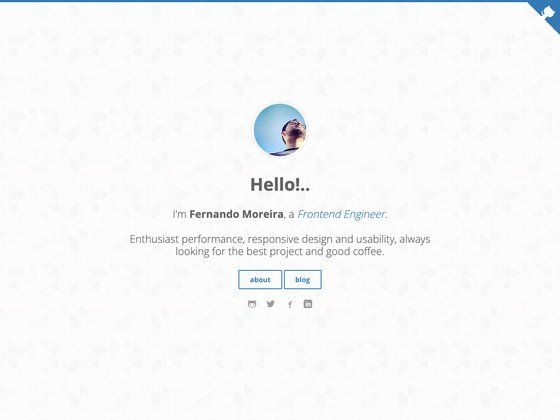
A clean, responsive Jekyll blog theme with SASS, pagination, Disqus comments, and GitHub Pages deployment via Rake tasks.
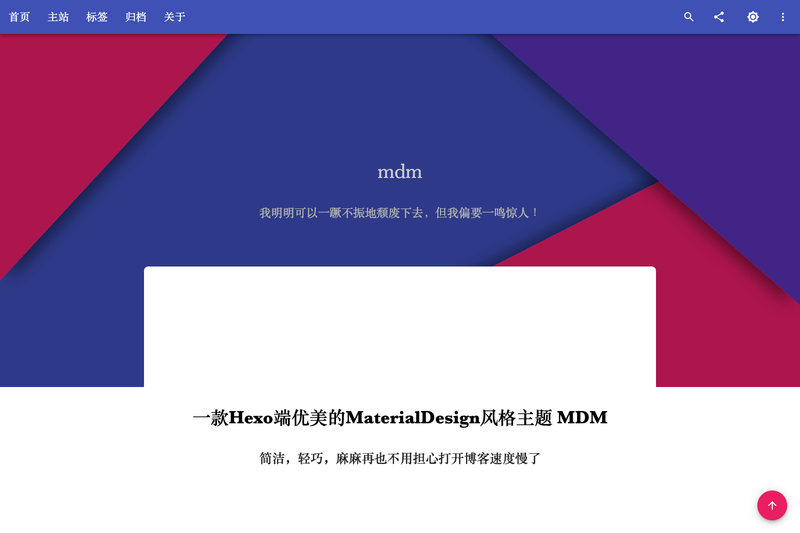
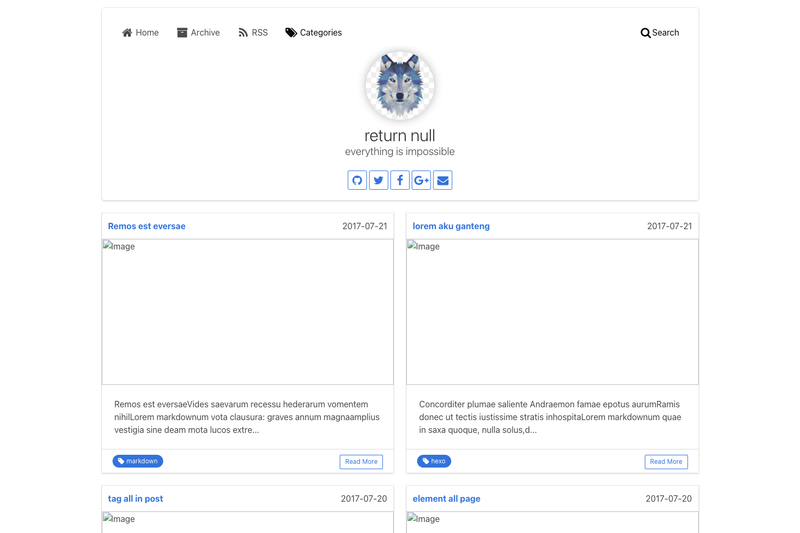
A Material Design style Hexo theme that is simple, lightweight, and fast-loading.

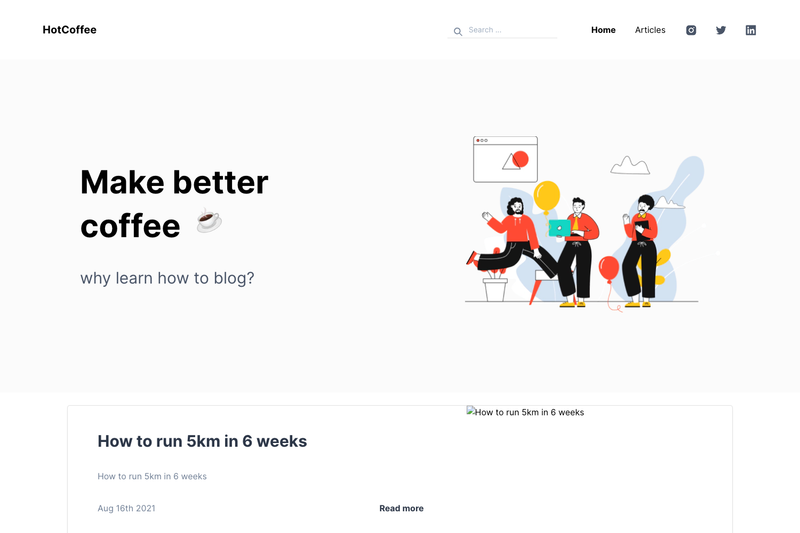
Free Bootstrap 4 HTML5 blog website template with hero header, sticky sidebar, image slider, and 7 HTML pages.
Efficiency_jekyll_theme is an open-source Jekyll theme for blogs on GitHub Pages, forked from kotet/ultralight, which the author reports runs 18% faster than the official Jekyll theme.
Efficiency_jekyll_theme is a Jekyll theme distributed through the zichenstudio GitHub repository. It is a fork of kotet/ultralight with modifications, and it provides a minimal blogging layout that takes Markdown posts and outputs a static site. The theme bundles three JavaScript libraries: highlight.js for code syntax highlighting, welcometitle.js for a welcome title animation, and smoothscroll.js for smooth scrolling. The project is MIT-licensed: the original ultralight license is kept, and a new LICENSE covers the author's modifications.
bundle exec jekyll build, the static _site folder can be added to IPFS with ipfs add -r _site/._site folder to IPFS.The theme is a standard Jekyll repository. You clone it, then either push it to your GitHub Pages remote for automatic building, or run bundle exec jekyll build locally to generate the static _site folder. Posts are written in Markdown in the usual Jekyll structure, and the theme's templates plus the included JavaScript are applied during the Jekyll build.
Yes, the theme is open-source under the MIT License, so it is free to use and modify.
Yes. The README gives specific clone and push commands to deploy it to your own github.io repository.
According to the author's testing, the theme loads or builds 18% faster than the official Jekyll theme. The README does not describe the test setup or metrics.
The theme includes highlight.js for syntax highlighting, welcometitle.js for a welcome title effect, and smoothscroll.js for smooth scrolling.