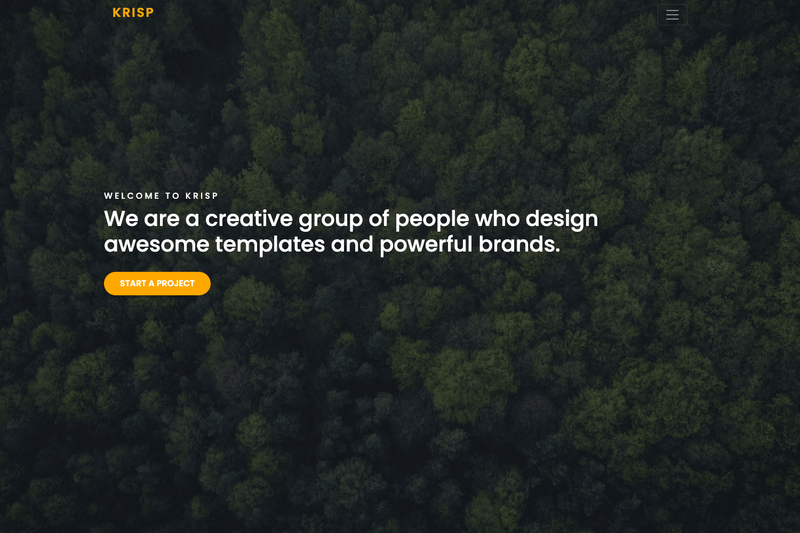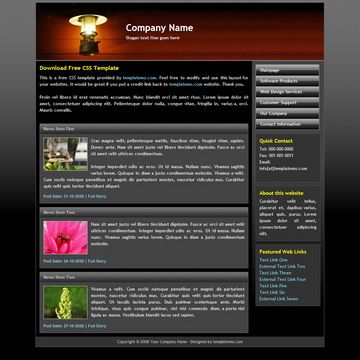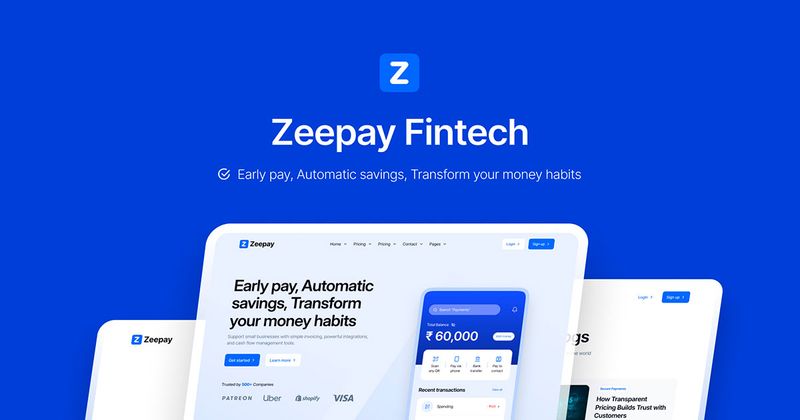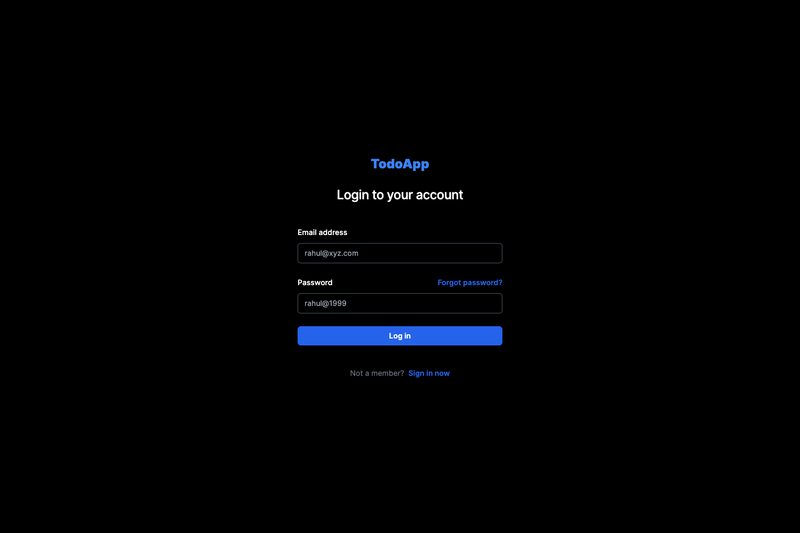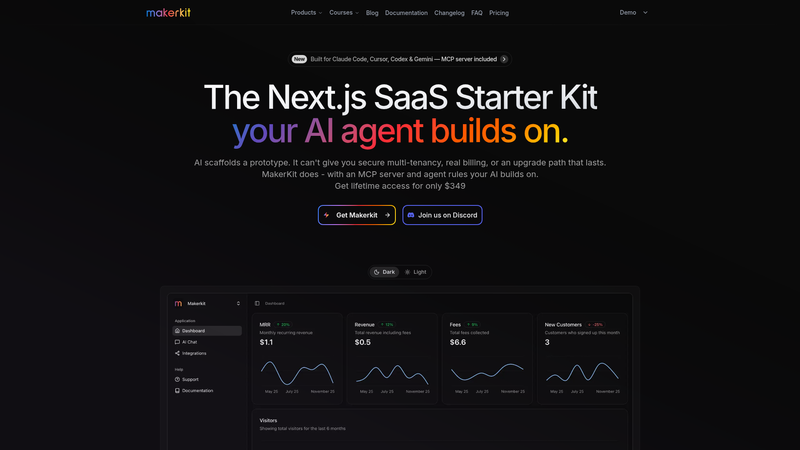
Makerkit's Next.js Supabase SaaS Starter Kit (Lite) is an open-source boilerplate that provides a Turborepo monorepo foundation for SaaS products, built on Next.js 16.3, Supabase authentication, and Tailwind CSS v4. This lite version strips the full Makerkit kit down to core authentication, user profile, protected routes, and responsive marketing pages so you can evaluate the architecture or start a basic SaaS prototype.
What is the Next.js Supabase SaaS Starter Kit (Lite)?
This starter kit is a trimmed-down, MIT-licensed version of Makerkit's commercial SaaS Starter Kit. It runs on Next.js 16.3 with the App Router, uses Supabase for authentication and a local database, and organizes code as a Turborepo monorepo with separate packages for UI components and feature modules. It outputs a working web app with sign-in, user settings, marketing pages, and protected routes, along with scripts for Supabase local development and deployment.
Key Features
- Next.js 16.3 + Turborepo monorepo — The project separates
apps/web(Next.js app) frompackages/ui(shared components) andpackages/features(auth and other feature logic). - Supabase authentication and database — Local Supabase configuration via the CLI, with migrations in
apps/web/supabase, seed data, and commands to start, stop, and reset the database. - Shadcn UI with TailwindCSS v4 — Prebuilt UI components in the
packages/uipackage, styled with Tailwind CSS v4. - TypeScript 7 with Oxlint and Oxfmt — Strict TypeScript tooling with linting, formatting, and typecheck scripts cached by Turborepo.
- i18n translations — Client and server translations are included in the project structure.
- Playwright tests — A basic end-to-end test setup is part of the kit.
- Marketing, auth, and gated page sections — The App Router layout includes
(marketing)public pages,authpages for sign-in, andhomefor protected, authenticated routes. - Environment variable configuration — A
.env.localfile supports variables likeNEXT_PUBLIC_SITE_URL,NEXT_PUBLIC_SUPABASE_URL, andNEXT_PUBLIC_THEME_COLOR.
Who is it for?
The lite kit is aimed at developers who want to evaluate Makerkit's code architecture and patterns before buying the full version. It also suits solo developers building basic SaaS prototypes who want a working Next.js + Supabase auth setup without writing it from scratch, and teams learning a monorepo approach with packages for UI and features.
What can you do with it?
- Evaluate Makerkit's architecture: Inspect how the full kit organizes a Next.js App Router project, separates feature packages, and configures Supabase migrations.
- Build a basic SaaS prototype: Start with authentication, a user profile, and gated pages, then add your own business logic on top.
- Learn the modern Next.js stack: Use the kit as a reference for Next.js 16.3, Turborepo, TailwindCSS v4, shadcn UI, and Playwright in a real monorepo.
- Deploy a SaaS app to production: Follow the production steps for linking a remote Supabase project, setting a callback URL, and deploying to Vercel or Cloudflare.
How does it work?
The kit is installed by cloning the repository and running pnpm install. You start a local Supabase instance with pnpm run supabase:web:start (Docker is required), then launch the Next.js app with pnpm run dev at http://localhost:3000. Database migrations are created with pnpm --filter web supabase migration new and applied with pnpm run supabase:web:reset. For production, you deploy to a Next.js hosting provider, push migrations with supabase db push, and set the auth callback URL.
Comparing Lite vs Full Version
The lite kit deliberately omits the full version's production features. The full Makerkit kit adds subscription billing, team accounts, email templates with Nodemailer/Resend, analytics (GA, Posthog, Umami), monitoring (Sentry, Baselime), a production database schema, an extensive test suite, realtime notifications, a blogging system, documentation system, super admin panel, daily updates, priority fixes, and support. The lite kit is intended for evaluation and basic prototypes.
Pros and cons
Pros: Free under MIT license; modern stack with Next.js 16.3 and Turborepo; includes Supabase auth and database migrations; shadcn UI and Tailwind v4; cached lint/format/typecheck commands via Turborepo.
Cons: No support is provided for the lite kit; documentation is still being updated at the time of writing; the full version is required for billing, teams, analytics, and other production features.
FAQ
Is the lite kit free?
Yes, the lite kit is open source and licensed under the MIT License, so you can use it freely and modify it.
Does the lite kit include billing and subscriptions?
No. Billing and subscription systems are only in the full Makerkit version, along with team accounts, analytics, and monitoring.
What are the prerequisites to run it?
You need Node.js 18.x or later, Docker (for the Supabase CLI), and PNPM as the package manager.
Can I deploy the lite kit to production?
Yes. The README describes deploying to any Next.js hosting provider, including Vercel, and to Cloudflare by setting the runtime to edge in the root layout and enabling Node.js compatibility.
How is the lite kit different from the full version?
The lite kit focuses on core authentication, a user profile, protected routes, and marketing pages. The full version adds billing, teams, mailers, analytics, monitoring, a production database schema, extensive tests, notifications, blogging, documentation, an admin panel, and priority support.